 Tampa Siding
 Board & Batten in a Climate That Doesn't Let Up
Carrollwood sits inland from Tampa Bay, but that doesn't mean the exterior of a home here gets an easy ride. Hillsborough County homes deal with intense year-round UV that fades and chalks lesser materials, long stretches of high humidity, wind-driven rain during summer storm season, and periodic hurricane-force wind events that push moisture sideways into every seam and joint a siding system has. Board and batten siding, with its vertical boards and raised batten strips, has more seams than a flat lap profile. Every one of those seams is a place water can find its way in if the installation isn't done with this climate specifically in mind.
This page is about board and batten siding for Carrollwood homes specifically — what the look does well here, what the climate does to it over time, and what a correct installation actually requires so it still looks right in ten or twenty years, not just on install day.
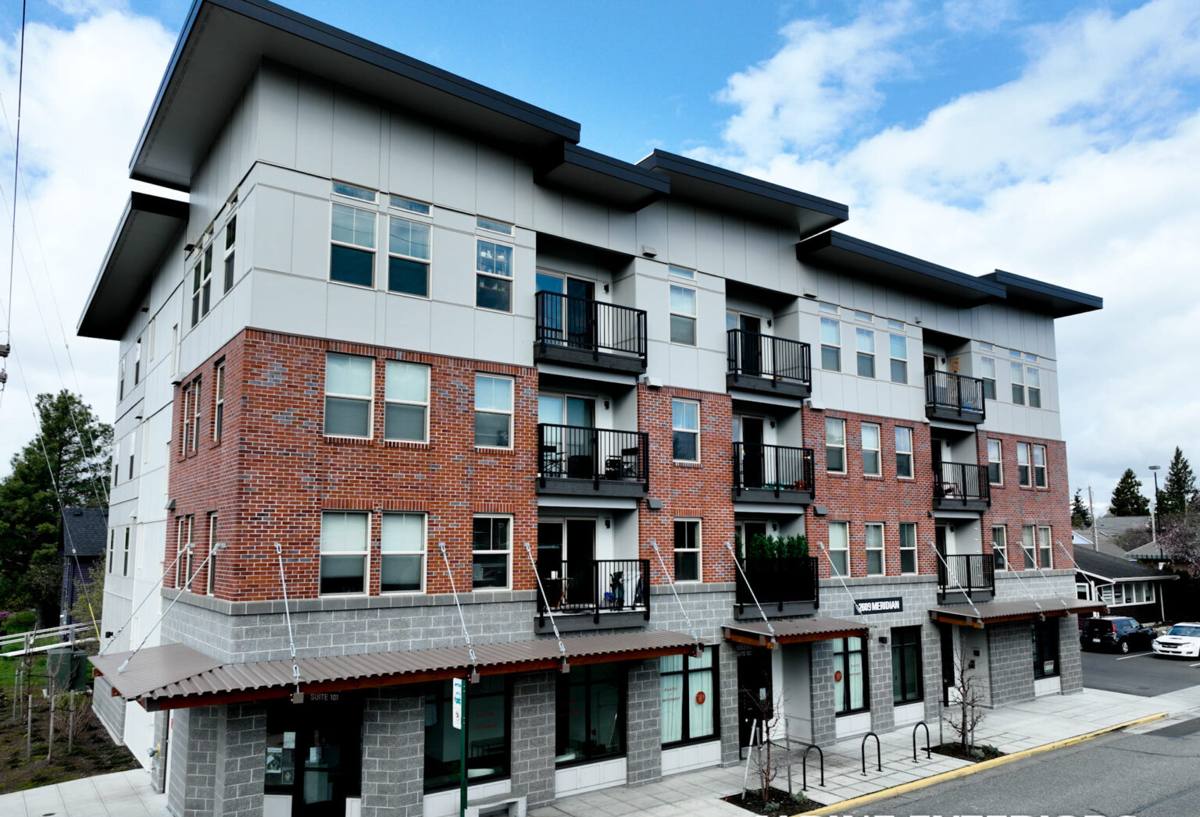
Why Board & Batten Fits So Many Carrollwood Homes
Carrollwood has a mix of ranch-style and mid-century homes alongside newer construction, and board and batten shows up in both worlds. On older ranch homes it's often used as a full-elevation treatment or on a front-facing gable to add texture and break up a long, flat wall. On newer builds and remodels, it's frequently paired with a farmhouse or modern-transitional exterior — a board and batten accent on a porch gable or entry feature next to traditional lap siding on the rest of the house.
Both approaches work. The difference between a board and batten section that looks sharp for decades and one that starts telegraphing problems within a few years almost always comes down to material choice and installation detail, not the design itself.
Full Elevation vs. Accent Use
A full board and batten elevation puts more square footage — and more seams — into direct sun and weather exposure. An accent application, like a gable or a porch feature, is smaller but often sits under less overhang protection and takes more direct rain. Neither is automatically the "easier" option; each needs to be detailed for where it actually sits on the house.
What Humidity, UV, and Storm Wind Do to Board & Batten Siding
The Battens Are the Weak Point
The batten strip is the vulnerable part of this profile. It's fastened over the vertical boards, which means every batten creates a horizontal-facing edge where water can sit if there isn't a proper gap and drainage path behind it. In wood-based board and batten, trapped moisture behind the battens leads to swelling, cupping, and eventually rot — often starting at the bottom edges where you can't see it until paint starts failing or boards start separating. In vinyl, the constant UV and heat cycling in Tampa's climate causes battens to warp, buckle, or pull away from the wall, especially on south- and west-facing elevations that take the most sun.
Wind-Driven Rain Changes the Spec
During tropical storms and hurricanes, rain doesn't fall straight down — it drives sideways into vertical seams and under any batten that isn't properly fastened and sealed. A board and batten installation built for a milder climate, with minimal flashing and standard fastening, is a different job than one built to hold up through wind-driven rain events. The building science doesn't change based on the brand of siding; what changes is whether the material and the installer actually account for it.
Material Comparison for Board & Batten Siding
We get asked why we only install James Hardie fiber cement for board and batten projects, including in Carrollwood where some homes still carry original wood siding or older vinyl. Here's the honest comparison, factor by factor:
| Factor | James Hardie Fiber Cement | Wood (Primed Spruce/Cedar) | Vinyl |
|---|---|---|---|
| Moisture behavior | Engineered to resist swelling and rot; won't absorb water the way wood does | Absorbs moisture at cut edges and joints; prone to swelling and rot over time | Doesn't rot, but seams and battens can trap moisture behind the panel |
| UV / color retention | ColorPlus factory finish resists fading under intense sun | Paint fades and chalks; repainting is a recurring cost | Fades and can become brittle with prolonged UV exposure |
| Wind performance | Non-combustible, rated and installed to Florida high-wind requirements | Performance depends heavily on fastening and maintenance condition | Can crack or blow off in high wind if not rated and installed correctly |
| Maintenance | Periodic caulk/paint touch-up on trim; no repainting the board itself for years | Regular repainting and caulking needed to keep moisture out | Low maintenance but can warp, fade, and is harder to repair invisibly |
| Warranty | Strong transferable manufacturer warranty on the substrate | Typically no substrate warranty beyond the primer | Varies by manufacturer; often prorated |
Wood board and batten can look great and vinyl is inexpensive, and we're not going to pretend otherwise — both have honest strengths. But in a climate that combines heavy UV, humidity, and periodic wind-driven rain, the maintenance burden of wood and the heat/UV sensitivity of vinyl are trade-offs we've decided aren't worth putting on a Carrollwood home. That's why we standardized on James Hardie fiber cement and don't install LP SmartSide, vinyl, or unprimed wood siding.
What a Correct Board & Batten Installation Involves
The material is only half the equation. A James Hardie board and batten system installed without attention to detail will still underperform in this climate. A correct installation includes:
- A continuous weather-resistant barrier behind the siding, with no gaps or punctures left unsealed
- Proper flashing at every window, door, and penetration — the most common failure point on older board and batten homes
- Fastening pattern and fastener type that meet Hardie's requirements for Florida's wind zones, not a generic national spec
- Correct gap and reveal at board edges and behind battens to allow drainage and prevent moisture from being trapped
- Factory-applied ColorPlus finish maintained through installation — cut edges primed and sealed, not left exposed
- Clean, consistent corner and trim details that shed water instead of collecting it
Skip any one of these and the siding can still look fine for a year or two before problems show up. That's part of why board and batten has a reputation for being higher-maintenance than it needs to be — the reputation usually comes from installation shortcuts, not the material itself.
Our Process for Carrollwood Projects
We walk every Carrollwood project the same way, regardless of whether it's a full elevation or an accent feature:
- Assessment. We look at the existing siding or substrate, check for moisture damage or rot already present, and evaluate the elevations that take the most sun and wind exposure.
- Tear-off vs. overlay decision. We'll tell you honestly whether the existing wall can support a direct installation or whether removal is the right call — this affects both cost and long-term performance.
- Prep and moisture barrier. Any damaged sheathing gets addressed before a new barrier goes up. This step gets skipped by corner-cutting crews and it's the one that determines how the wall performs for the next twenty years.
- Installation to spec. Boards and battens go up following Hardie's Florida installation requirements — fastening, gapping, and flashing done to hold up to wind-driven rain, not just look good on install day.
- Trim, caulk, and final finish. Corners and trim are detailed to shed water, and everything is cleaned up before we walk it with you.
Why a Crew That Already Works Carrollwood Matters
Carrollwood isn't a coastal neighborhood — it sits inland from Tampa Bay, so salt exposure is a smaller factor here than it is closer to the water. But the humidity, UV, and storm wind that affect all of Hillsborough County still apply in full, and a crew that works this specific area regularly knows the difference. We're familiar with the age and construction of homes common in Carrollwood, including older wood or vinyl siding that's due for replacement and the substrate condition that often comes with it. We know the permitting process through the City of Tampa and Hillsborough County, and we're used to working within the aesthetic expectations of Carrollwood's HOA-governed subdivisions where exterior changes need to match community standards.
That local familiarity isn't a marketing line — it means fewer surprises mid-project, permits that get filed correctly the first time, and an installation crew that isn't learning Florida's wind-zone requirements on your house.
What Affects the Cost of a Board & Batten Project
Every Carrollwood home is different, so we don't quote board and batten projects off a flat rate. The real cost drivers are:
| Factor | Why It Matters |
|---|---|
| Square footage of the treated area | Full elevations cost more than a single gable or accent wall |
| Removal of existing siding | Tear-off and disposal add labor and time compared to installing over a suitable existing wall |
| Board width and reveal pattern | Wider boards and battens are covered faster than narrow, tightly-spaced patterns |
| Number of stories and access | Second-story and hard-to-access elevations take more time and equipment |
| Trim and corner complexity | Homes with more windows, corners, and architectural detail take more finish work |
| Substrate condition | Rot or moisture damage found during tear-off has to be repaired before siding goes up |
We'll walk your specific project and give you a real number based on what's actually on the wall — not a broad average that doesn't apply to your home.
Maintenance Checklist for Board & Batten Siding in This Climate
Once James Hardie board and batten siding is installed correctly, it doesn't need much — but a little seasonal attention goes a long way in Tampa's climate:
- Rinse the siding periodically to clear pollen, mildew, and salt-laden dust that can dull the finish over time
- Walk the exterior after major storms and check caulking around windows, doors, and trim for cracking or separation
- Look at the bottom edge of battens and boards near grade for any signs of moisture staining
- Keep sprinklers and irrigation from spraying directly on the siding, which accelerates wear at that contact point
- Have caulking and trim paint touched up as needed — this is minor upkeep, not the recurring repainting wood siding requires
Get a Straight Answer for Your Carrollwood Home
If you're weighing board and batten siding for a Carrollwood home — whether it's a full replacement or an accent feature on a remodel — we're happy to come take a look and give you a straightforward, no-pressure estimate. No inflated scope, no pressure to sign same-day. Just an honest read on what your home needs and what it would take to do it right.