 Tampa Siding
 Brandon sits inland from Tampa Bay but that doesn't buy it much protection from what Central Florida weather does to a house. Between the humidity that never really lets up, the afternoon storms that roll through most of the summer, the UV load that Hillsborough County homes take on nearly year-round, and the occasional hurricane or tropical system pushing wind-driven rain sideways into exterior walls, Brandon homes go through a lot. Siding is one of the first things to show it, and one of the most expensive things to get wrong.
We install James Hardie fiber cement siding exclusively. Not because it's the only product on the market, but because after years of doing exterior work across the Tampa area, it's the one system we're comfortable standing behind for a climate like this one. This page covers what Brandon homeowners specifically deal with, how a Hardie installation actually works, and why we made that call.
What Brandon's Climate Actually Does to Siding
Brandon doesn't get the direct salt air that a beachfront property in Clearwater or St. Pete deals with, but it gets almost everything else Florida throws at exterior materials. A few specifics worth understanding if you're planning a siding project here:
Heat and UV Cycling
Hillsborough County sees intense, near-constant UV exposure most of the year. Materials that aren't engineered for it — certain paints, some composite products, bare or lightly primed wood — chalk, fade, or break down faster than their warranty periods suggest. Siding also expands and contracts with daily heat swings, and that repeated movement is what eventually opens up seams and joints on lower-quality materials.
Humidity and Moisture
Central Florida humidity sits high enough, long enough, that any siding product with a weak point for moisture intrusion will eventually find it. Once moisture gets behind or into a wall assembly here, it doesn't dry out quickly the way it might in a drier climate — it just sits and works on whatever's absorbing it.
Wind-Driven Rain and Storm Exposure
Brandon isn't coastal, but it's still squarely in the path of Florida's summer storm pattern and any hurricane or tropical system that tracks through the Tampa Bay area. Wind-driven rain gets forced into laps, seams, and fastener points that would never see water in a calm rain. Siding and flashing details that are fine in a light shower can fail under sideways rain at 40-60 mph.
Pests and Organic Growth
Warm, humid inland areas like Brandon are good territory for wood-boring insects and for mold or algae growth on anything organic that stays damp. This is one of the bigger long-term arguments against wood-based siding products in this region.
Why We Only Install James Hardie
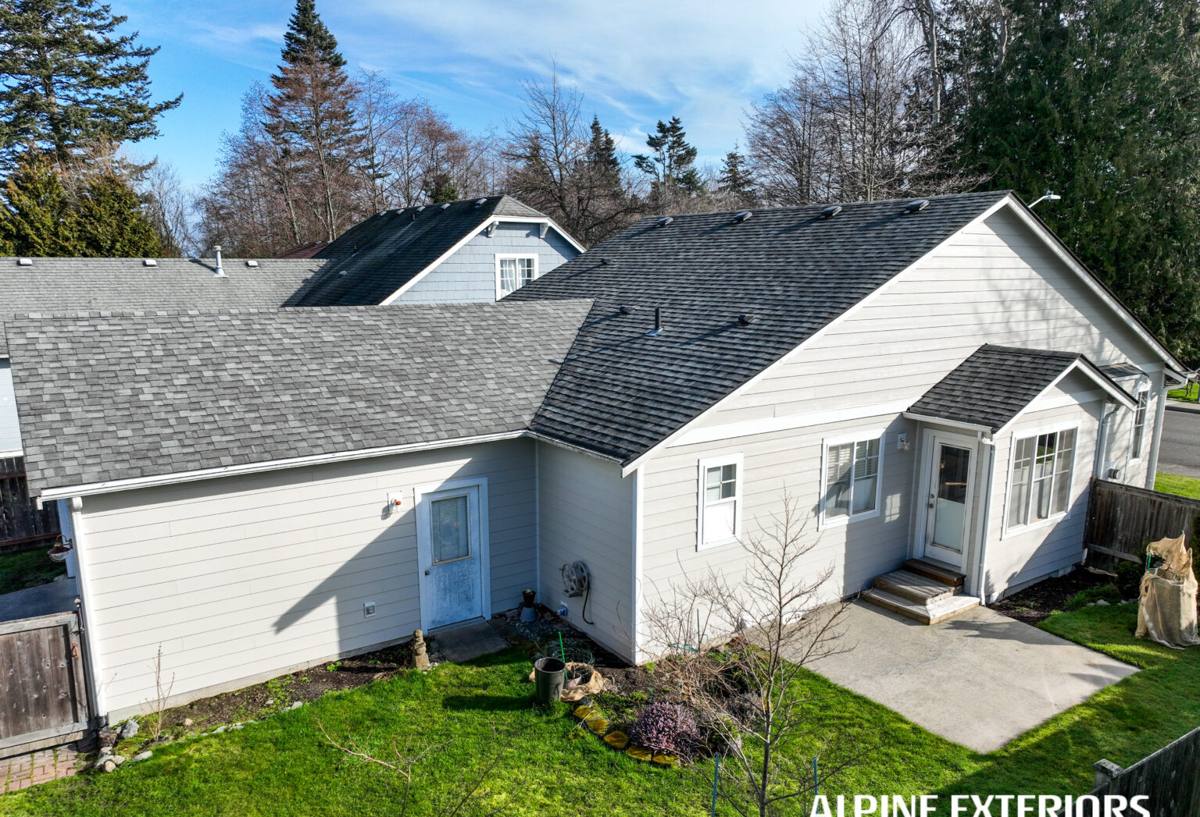
James Hardie fiber cement is a mix of cement, sand, and cellulose fiber, engineered specifically to hold up in tough climates. Hardie makes climate-specific product lines, and the HZ5 formulation is engineered for exactly the kind of humidity and moisture cycling that Central Florida delivers. A few reasons this matters in practice:
- Non-combustible material — fiber cement doesn't burn, which matters for insurance considerations and general home safety.
- Dimensionally stable — it doesn't expand and contract with heat and humidity the way wood or some composites do, so seams and joints stay tighter over time.
- Factory-applied ColorPlus finish — baked-on color that resists Florida's UV and fading far better than field-applied paint.
- Not a food source for pests or rot organisms — it's cement-based, so termites and moisture-driven decay aren't a concern the way they are with wood.
- Backed by a strong transferable warranty — Hardie's product warranty is one of the more substantial in the industry, and it can transfer to a new owner if you sell.
We don't install LP SmartSide, vinyl siding, Cemplank, Allura, or bare primed wood siding, and we're upfront about why. Vinyl can warp and fade under sustained heat and UV, and it doesn't hold up well to wind-driven debris in a storm. Wood-based composite products carry moisture and pest vulnerabilities that are hard to fully engineer around in a climate this humid. Other fiber cement brands may be reasonable products, but we've standardized our crews, our installation training, and our warranty relationship around one system so we can install it correctly every time, rather than juggling different install specs across different products.
How a Brandon Siding Project Works
Every home is different, but a typical James Hardie installation in the Brandon area follows a consistent sequence:
1. Assessment and Tear-Off
We start by removing the existing siding and inspecting the sheathing underneath. This is often the point where hidden moisture damage, rot, or old flashing problems get discovered — and it's better to find them now than to cover them up with new siding.
2. Weather Barrier and Flashing
A proper weather-resistive barrier goes over the sheathing, with flashing detailed carefully around windows, doors, and any penetrations. In a climate where wind-driven rain is a real seasonal event, this layer is arguably as important as the siding itself. Water management behind the siding is what actually keeps a wall assembly dry over 20-30 years.
3. Hardie Installation to Manufacturer Spec
James Hardie publishes detailed installation requirements — fastener spacing and type, clearances from grade and roof lines, caulking and joint treatment, proper overlap. Installing to spec isn't optional if you want the product warranty to hold, and it's a big part of why installation quality matters as much as the product choice itself.
4. Trim, Caulking, and Finish Details
Corners, trim boards, and joints get finished out, with attention to keeping water from tracking behind the siding at any transition point.
5. Final Walkthrough
We walk the finished job with the homeowner before calling it complete.
Comparing Siding Options for a Brandon Home
| Factor | James Hardie Fiber Cement | Vinyl | Wood-Based Composite |
|---|---|---|---|
| UV/Fade Resistance | Factory ColorPlus finish, engineered for sun exposure | Can fade and chalk over time in intense UV | Depends heavily on paint quality and maintenance |
| Moisture Behavior | Engineered for humid climates (HZ5 line) | Doesn't absorb moisture but can warp | Vulnerable to swelling, delamination if moisture gets in |
| Wind/Storm Resistance | Rigid, holds up well to wind-driven debris | Can crack or blow off in high wind | Varies by product and installation |
| Fire Rating | Non-combustible | Combustible | Combustible |
| Pest Resistance | Not a food source for insects | Not a food source | Can be vulnerable depending on formulation |
| Typical Warranty | Long-term, transferable | Varies by manufacturer | Varies, often shorter on finish |
Beyond Siding: A Full Exterior Approach
Siding rarely fails in isolation. Roofing, windows, and decks all share exposure to the same climate stresses, and problems in one system often show up as damage in another — a roof leak that saturates wall sheathing, or window flashing that lets water track down behind siding. We handle siding, roofing, windows, and decks, which means when we're on a Brandon property we're looking at the whole exterior picture, not just one component in isolation. If we spot a roofing or window issue while we're assessing siding, we'll tell you about it rather than ignore it because it's outside the scope of the day's work.
What Correct Installation Actually Involves
A lot of siding problems that get blamed on the product are actually installation problems. Fiber cement siding installed with the wrong fastener spacing, insufficient clearance from grade, or poor flashing detail can fail even though the material itself is sound. This is why we train our crews specifically on Hardie's installation requirements rather than treating siding install as generic carpentry. A few things that separate a correct install from a problem waiting to happen:
- Proper clearance between siding and grade, roofing, and other transitions to prevent wicking moisture
- Correct fastener type, spacing, and penetration depth
- Weather-resistive barrier installed and lapped correctly, with all penetrations flashed
- Joints and butt seams treated per manufacturer spec, not just caulked over
- Proper starter strip and trim details at corners and openings
Maintenance Expectations After Installation
One of the practical advantages of fiber cement in a climate like Brandon's is how little ongoing maintenance it asks for compared to wood or some composite products. It doesn't need repainting on the same cycle bare wood does, and it isn't prone to the rot and pest issues that come with organic materials sitting in Florida humidity. That said, no siding is entirely maintenance-free:
- Rinse off dirt, pollen, and salt residue periodically, especially after storm season
- Inspect caulking at joints and trim every year or two and touch up as needed
- Keep an eye on areas near sprinklers or heavy landscaping where moisture exposure is higher
- Address any impact damage promptly rather than letting it sit exposed
Why a Local Crew Matters
Tampa Bay area weather isn't generic weather, and Brandon's mix of heat, humidity, and storm exposure calls for installation details that a crew unfamiliar with the region might not prioritize — clearance heights, flashing details around the higher humidity load, fastener choices that hold up to the heat cycling. A crew that works this area regularly has seen what goes wrong when those details get skipped, because we're often the ones called in afterward to fix it.
If you're weighing a siding project for your Brandon home, we're happy to take a look and walk you through what we'd recommend and why — no pressure, no obligation. Reach out for a free estimate using the form below.