 Tampa Siding
 Siding in South Tampa: What the Peninsula Does to a House
South Tampa sits on a peninsula bordered by Hillsborough Bay, Old Tampa Bay, and the Gulf beyond, which means homes here deal with a combination of stresses that inland Hillsborough County properties don't see nearly as often. Salt-laden air moves inland on the bay breeze, humidity sits high for most of the year, and afternoon thunderstorms roll in fast and hard through the summer months. Add in direct hurricane exposure and the intense Florida sun beating on siding nearly year-round, and it's easy to see why exterior materials that hold up fine in other parts of the state can struggle here.
We work on homes throughout South Tampa's neighborhoods — from older bungalows and mid-century ranches to newer construction — and the pattern repeats: siding failures cluster around the same handful of causes. Moisture intrusion at poorly flashed joints. Sun-bleached and chalking paint finishes. Wood or wood-composite panels that softened or delaminated after years of humidity cycling. Vinyl that warped or faded on south- and west-facing walls. None of this is mysterious. It's what happens when a product not built for this climate spends a decade in it.
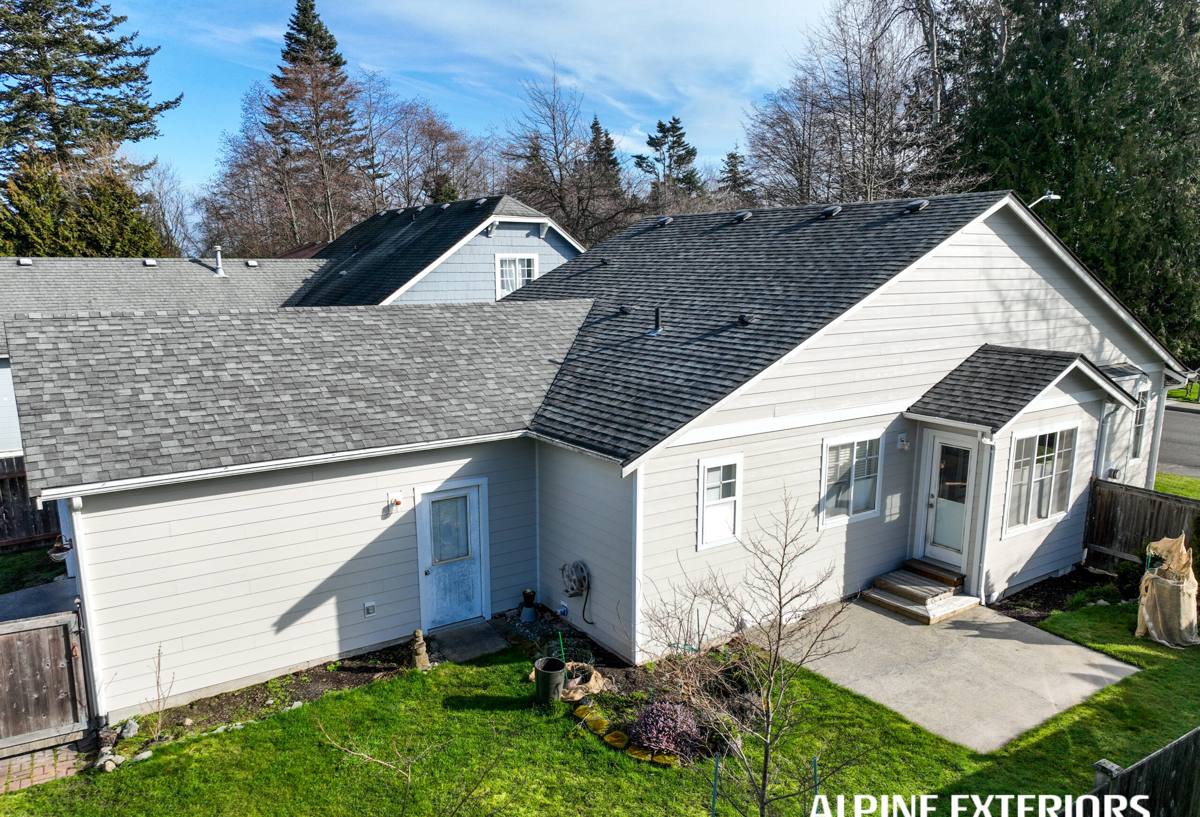
Why Salt Air and Storm Exposure Change the Calculus
Homes closer to the water take the brunt of it, but salt air travels farther inland than most people expect, and it doesn't take a direct beachfront lot to feel the effects. Salt accelerates corrosion on fasteners and metal trim, and it works its way into porous or poorly sealed siding materials over time. Combine that with wind-driven rain during tropical storms and hurricanes — rain that gets pushed sideways into seams and laps that were never designed to handle water moving that direction — and you get a much harsher operating environment than a standard product spec sheet accounts for.
Then there's the sun. South Tampa doesn't get a real winter break from UV exposure. Paint finishes on wood and some composite sidings chalk, fade, and eventually crack under that kind of sustained exposure, which is why repainting every few years becomes part of the deal with those materials rather than an occasional chore.
What This Means for Material Choice
We install James Hardie fiber cement siding exclusively — not vinyl, not LP SmartSide, not primed wood or cedar. That's a deliberate standard, not a limitation of what we're capable of installing. Fiber cement is inorganic: it doesn't absorb moisture and swell the way wood-based products can, and it doesn't soften in heat or go brittle from UV exposure the way vinyl does over a long South Tampa summer. Hardie's factory-applied ColorPlus finish is baked on and warranted against fading, which matters enormously in a market that gets this much sun. We'll get into the product details further down, but the short version is: we chose one material family because it's the one that consistently performs here, and we'd rather stand behind fewer things done right than offer options we don't fully trust in this climate.
Common Siding Problems We See on South Tampa Homes
- Moisture behind siding at window and door flashing — often invisible until paint bubbles or a wall feels soft to the touch
- Fading and chalking on south- and west-facing elevations — the sides that take the most direct sun
- Warping or buckling in vinyl siding — heat expansion over time pulls panels loose from their track
- Soft or delaminating wood-composite panels — especially near the ground line or in shaded, humid spots that don't dry out between rains
- Corroded or rust-streaked fasteners and trim — a slower but steady issue in salt-exposed areas
- Caulk failure at seams and butt joints — UV breaks down sealants faster here than in milder climates, and once it fails, water gets behind the siding
None of these are signs of a poorly built house — they're what happens to exterior materials over years of Gulf Coast weather. The fix isn't more frequent maintenance forever; it's choosing a material and installation approach built to shed water, resist rot, and hold its finish without constant upkeep.
How We Approach a South Tampa Siding Project
Assessment First
Every project starts with a walk-around of the house — not just the siding itself, but the flashing, the trim, the areas around windows and doors, and the wall assembly behind the siding where we can access it. Hurricane and moisture damage in this area often isn't just cosmetic; if there's been water intrusion, we want to know about it before we close anything back up, not after.
Correct Installation Matters More Than the Product Label
Fiber cement siding performs the way it's supposed to only when it's installed to manufacturer specification — proper fastener placement, correct clearances above rooflines and grade, sealed and flashed penetrations, and the right gap and caulking details at joints. In a market with this much wind-driven rain, installation shortcuts show up as callbacks within a couple of years. We install to Hardie's published specifications, which is also what keeps the manufacturer's warranty intact.
Built for Wind
Hillsborough County sits in a hurricane-prone wind zone, and siding that isn't fastened correctly — regardless of material — can fail in a storm well before it reaches its rated wind resistance. Fastening schedule and pattern matter as much as the product itself, and we follow Hardie's storm-region installation guidance rather than a generic spec.
James Hardie Siding: The System We Install
James Hardie fiber cement is a blend of cement, sand, and cellulose fiber, manufactured under high-heat curing that makes it dense, stable, and non-combustible. For a peninsula climate like South Tampa's, three things stand out:
| Feature | Why It Matters Here |
|---|---|
| HZ5 climate-engineered product line | Formulated for high-humidity, moisture-heavy climates like the Gulf Coast |
| ColorPlus factory finish | Baked-on finish resists fading and chalking under sustained UV exposure far better than field-applied paint |
| Non-combustible composition | Doesn't burn, warp, or soften from heat — relevant given how much direct sun South Tampa exteriors absorb |
| Moisture-resistant core | Doesn't swell, rot, or delaminate the way wood-based panel products can in humid, salt-exposed air |
| Transferable, non-prorated warranty | Coverage that holds up whether you're staying in the home long-term or selling |
Hardie offers several siding profiles — lap siding, shingle-style panels, board-and-batten, and trim — so the look of the home doesn't have to be sacrificed for the performance upgrade. Color and profile choices are flexible enough to match anything from a South Tampa bungalow to a more modern build.
What a Siding Project Involves Beyond the Panels
Siding replacement is rarely just siding. We often find related issues that are worth addressing at the same time, since the crew and scaffolding are already there:
- Window flashing and integration — old or improperly flashed windows are one of the most common sources of hidden moisture damage
- Trim and fascia — wood trim exposed to the same sun and rain often needs replacement alongside the siding
- Roofing — if there's roof damage or aging shingles contributing to water intrusion at the roofline, it's worth resolving together
- Decks — exterior decks take similar sun and moisture abuse and are often due for attention on the same timeline as siding
We handle siding, roofing, windows, and decks, so we can look at the whole exterior envelope rather than patching one component in isolation.
Planning a Siding Project: What Affects Cost and Timeline
| Factor | Why It Affects the Project |
|---|---|
| Home size and wall complexity | More corners, gables, and dormers mean more cutting, flashing, and labor time |
| Extent of underlying damage | Rot or moisture damage found behind old siding needs to be repaired before new siding goes on |
| Siding profile chosen | Lap, shingle-style, and board-and-batten involve different labor and material costs |
| Trim and accessory work | Full trim replacement adds scope beyond the field siding itself |
| Access and site conditions | Tight lots, mature landscaping, or multi-story sections affect staging and labor |
We provide a written estimate after an in-person assessment rather than a ballpark number over the phone, since the condition behind the existing siding often isn't clear until it's opened up.
Why a Local Crew Matters
A contractor who works this specific area regularly knows what to expect before the first panel comes off: how the wind loads behave close to the bay, which flashing details tend to fail first in this climate, and how permitting and inspection works in Hillsborough County. That familiarity shows up in fewer surprises mid-project and a finished install that's actually built for what South Tampa weather will throw at it over the next 20-plus years, not just what looks good on installation day.
If you're weighing a siding project — whether it's a full replacement, storm damage repair, or you're just trying to understand what's causing issues on your current siding — we're happy to take a look. We offer free, no-pressure estimates and can walk you through what we find and what your options are, with no obligation to move forward.