 Tampa Siding
 Exterior Work on a Waterfront Community
Davis Islands sits surrounded by water just south of downtown Tampa, which makes it one of the more exposed residential pockets in Hillsborough County when it comes to weather. Being nearly encircled by Tampa Bay means homes here take on a combination of stresses that inland Tampa neighborhoods don't deal with nearly as often: near-constant salt-laden air, unobstructed wind off the water during storms, and long hours of direct sun with almost nothing to break it up. Add in the humidity and heavy summer rain that define this part of Florida, and the exterior of a Davis Islands home is doing a lot of quiet, unglamorous work every single day.
We work throughout Tampa and Hillsborough County, and Davis Islands is one of the areas where we see the clearest difference between siding that was chosen for looks or price and siding that was chosen to actually hold up. This page walks through what the local climate does to exterior materials, how our siding, roofing, window, and deck work fits into that picture, and why we standardized on one siding product instead of offering several.
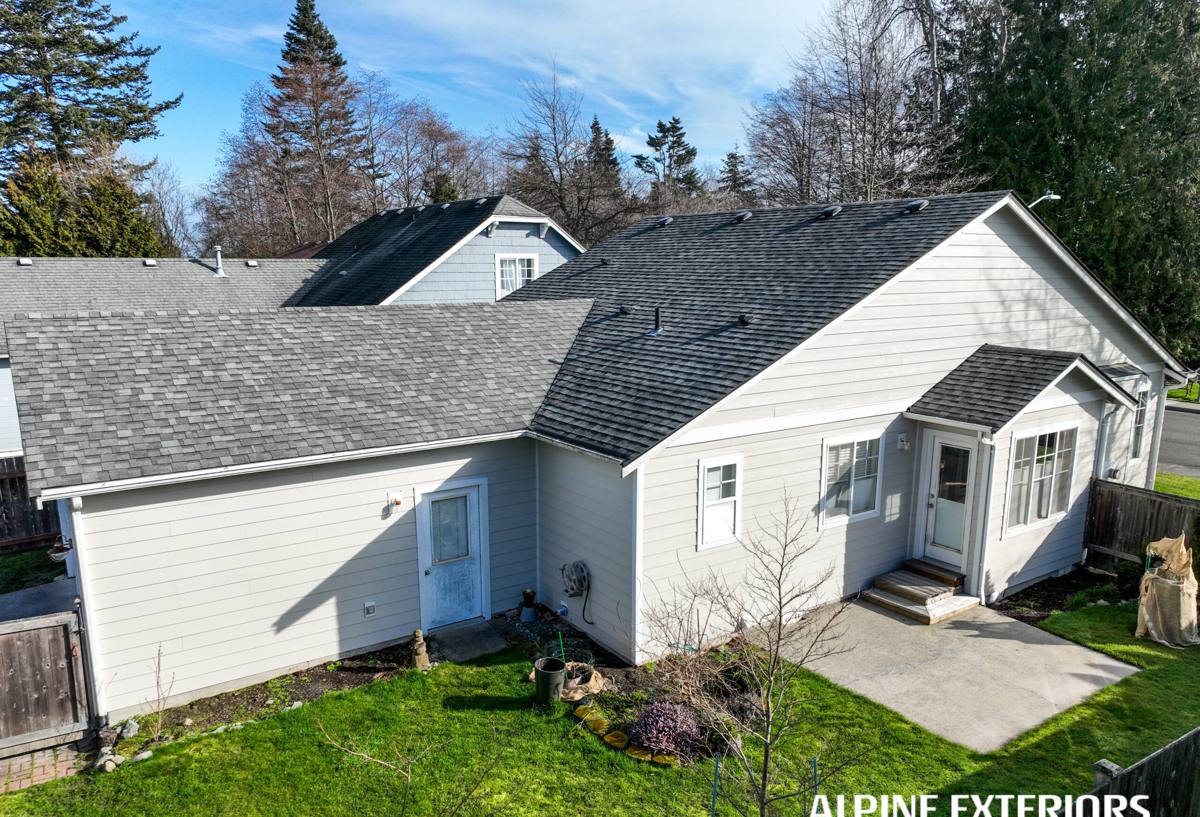
What the Climate Does to a Davis Islands Home
Salt Air and Humidity
Proximity to open water means airborne salt is a near-permanent presence on Davis Islands. Salt accelerates corrosion of metal fasteners and trim, and it interacts badly with siding materials that aren't dimensionally stable or that rely on a thin factory coating to keep moisture out. Combined with Tampa's humidity, which rarely lets up even in the cooler months, exterior materials here are under sustained moisture pressure that inland siding never has to deal with.
Hurricane-Force Winds
Hillsborough County sits squarely in a hurricane-prone stretch of the Gulf Coast, and Davis Islands' open exposure to the bay means wind loads during tropical systems can be significant. Siding attachment, trim detailing, and the fastening schedule all matter more here than they would on a sheltered inland lot. Loose or improperly fastened siding is one of the first things to fail in a wind event, and once a section peels back, wind-driven rain gets behind it fast.
Wind-Driven Rain
Rain that comes in sideways during a storm doesn't behave like rain falling straight down. It gets pushed up under laps, around window and door trim, and into any gap that wouldn't normally see water. This is one of the most underrated causes of hidden moisture damage in coastal and near-coastal Florida homes — the siding can look fine from the street while water is working its way into the wall assembly behind it.
Intense Year-Round UV
Tampa gets strong sun exposure essentially every month of the year, and homes on Davis Islands don't have much natural shading from tree cover or tightly packed structures in a lot of spots. UV breaks down paint film, dries out and warps wood-based products, and fades pigments over time. Materials that weren't engineered for sustained UV exposure show it within a few years — chalking, fading, and surface checking are common complaints we hear about older siding in this kind of environment.
Why We Only Install James Hardie Fiber Cement
We don't install vinyl siding, LP SmartSide, Cemplank, Allura, or primed wood products like spruce or cedar. That's a deliberate standard, not a lack of options, and on a site like Davis Islands the reasoning is easy to explain plainly:
- Vinyl can soften, warp, or crack under sustained heat and impact, and its seams and attachment points give wind-driven rain more opportunities to get behind the material during a storm.
- Wood-based composite products like LP SmartSide depend heavily on maintaining an intact factory or field-applied coating; once moisture gets into an edge or a fastener hole, the wood-strand core is vulnerable to swelling and rot — a real risk in a humid, salt-air environment.
- Primed spruce or cedar demands an aggressive repaint and caulk maintenance schedule to keep water out, which is a tough ask given Tampa's UV load and humidity working against the paint film year-round.
- Other fiber cement brands use similar core materials to Hardie but don't all match its factory-cured ColorPlus finish process or its climate-specific engineering for high-humidity, high-UV regions like Florida's Gulf Coast.
James Hardie fiber cement is non-combustible, doesn't swell or rot the way wood-based products can, and its HZ5 product line is engineered specifically for climates like Tampa's — high moisture, high heat, and hurricane exposure. The ColorPlus factory finish is baked on under controlled conditions and backed by its own finish warranty, which takes the guesswork out of how the color will hold up against year-round sun. For a home a few hundred feet from open water, that combination of moisture resistance, wind performance, and UV stability is exactly what the site calls for.
How Fiber Cement Performs Against the Other Options
| Factor | James Hardie Fiber Cement | Vinyl | Wood-Based Composite | Primed Wood |
|---|---|---|---|---|
| Salt air / moisture resistance | Engineered for it (HZ5) | Moderate; seams are weak points | Vulnerable if coating fails | Vulnerable; needs constant upkeep |
| Wind performance | Strong when installed to spec | Can crack or blow off in gusts | Adequate if properly sealed | Adequate if properly fastened |
| UV / fade resistance | Factory-cured ColorPlus finish | Can chalk and fade | Coating fades, needs recoating | Paint fades, needs repainting |
| Combustibility | Non-combustible | Combustible | Combustible | Combustible |
| Typical maintenance | Low | Low, but limited repair options | Moderate to high | High — regular paint/caulk cycle |
Siding Installation Details That Matter Here
Product choice is half the equation — installation is the other half, and it's where a lot of exterior problems actually start. On a Davis Islands home, we pay particular attention to:
- Correct fastening schedule and clearance to meet wind-load expectations for a bay-exposed lot
- Proper flashing and water-resistive barrier detailing around windows and doors so wind-driven rain has nowhere to enter
- Following Hardie's specified fastener type and spacing rather than generic hardware, since salt air is hard on the wrong metal
- Correct joint and butt-seam treatment to keep moisture from tracking behind panels
- Adequate clearance between siding and grade, decks, and roof lines to avoid trapped moisture
These aren't optional refinements — on a site this exposed, skipping any one of them shortens the life of even a top-tier product.
Roofing, Windows, and Decks in the Same Environment
Siding doesn't work in isolation, and the same climate pressures on Davis Islands affect the rest of a home's exterior. We handle roofing, window, and deck work alongside siding for that reason — a roof with wind-compromised flashing or shingles will let water into a wall assembly no matter how good the siding is, and windows with failing seals let wind-driven rain in around the very trim the siding is supposed to protect.
Roofing
Roof coverings and flashing need to be rated and installed for real wind exposure, not just code minimums. This matters more on an island lot than on a sheltered inland one.
Windows
Impact-rated or properly rated windows with correctly sealed installation reduce both storm risk and everyday air and moisture intrusion — a meaningful factor in a humid coastal climate.
Decks
Outdoor living space is part of the appeal of a waterfront neighborhood, and deck materials and fasteners on Davis Islands face the same salt-air corrosion risk as the rest of the exterior, so hardware selection matters as much as the decking material itself.
What to Check Before Hiring a Contractor for Exterior Work Here
- Confirm they're licensed to do exterior/siding, roofing, and window work in Florida and carry current insurance
- Ask what fastener and flashing details they use specifically for coastal or bay-exposed sites, not just their standard spec
- Ask whether they've worked on Davis Islands or similarly exposed Tampa Bay properties before
- Get a clear explanation of the product warranty and who's actually responsible if something goes wrong — the manufacturer or the installer
- Be wary of a bid that doesn't mention wind rating, flashing detail, or moisture management at all
A Local Crew Matters More on an Exposed Lot
A contractor who works across Hillsborough County regularly, rather than one crew doing a one-off job in an unfamiliar area, has a better feel for how Davis Islands' exposure differs from a shaded inland Tampa street. That shows up in small decisions — fastener choice, flashing sequence, where extra sealant actually matters versus where it's just belt-and-suspenders — that add up to how long the exterior lasts. We're not guessing at what salt air and wind off the bay do to a home; we see it on a regular basis.
If you're weighing a siding, roofing, window, or deck project on Davis Islands, we're happy to take a look and walk you through what we'd recommend and why. Reach out for a free, no-pressure estimate using the form below.