 Tampa Siding
 Siding Built for Riverview's Climate, Not Just Its Curb Appeal
Riverview has grown fast over the past two decades, and that growth means a real mix of housing stock: newer production-built homes in planned communities, older ranch and split-level houses on larger lots, and everything in between along the Alafia River corridor. What almost every home in this part of Hillsborough County has in common is exposure. Riverview sits close enough to Tampa Bay to catch salt-laden air on a breezy day, far enough inland to bake under direct summer sun for most of the year, and squarely in the path of the wind-driven rain and occasional hurricane-force gusts that come with living in West Central Florida. Siding here isn't just a cosmetic choice. It's the first line of defense between your framing and a climate that doesn't let up.
We install exterior siding, roofing, windows, and decking across the Tampa Bay area, and Riverview is one of the neighborhoods we work in regularly. That local familiarity matters more than most homeowners realize until they've dealt with a crew that doesn't understand how differently a house behaves here compared to, say, the Panhandle or the Midwest.
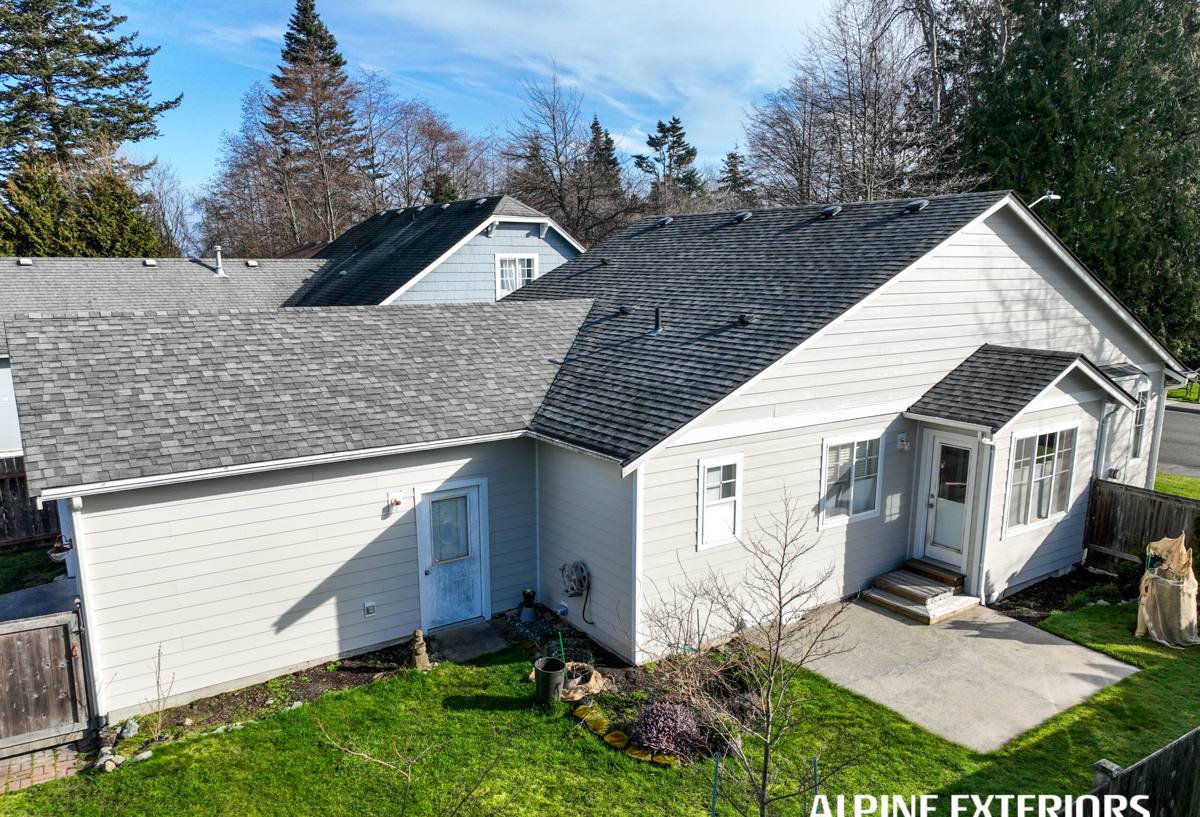
What Riverview Homes Actually Face
Heat and UV Load
Tampa Bay sees well over 200 sunny days a year, and Riverview's newer subdivisions often have limited mature tree canopy, which means siding on south- and west-facing walls takes a direct UV beating for most of the daylight hours. Cheap paint jobs and low-grade siding materials fade, chalk, and become brittle under that kind of sustained exposure. Factory-applied, UV-stable finishes hold their color and integrity far longer than field-applied paint ever will.
Humidity and Moisture Cycling
Hillsborough County's humidity rarely drops below uncomfortable, and Riverview's proximity to the Alafia River and the surrounding wetland-adjacent terrain means moisture is a constant presence in the air, even on dry-looking days. Siding materials that absorb and release moisture repeatedly are prone to swelling, warping, and eventually rotting at seams and cut edges. This is one of the biggest reasons we're selective about what we put on a wall in this climate.
Wind-Driven Rain and Storm Season
Summer and fall bring the real test: tropical systems that push rain sideways into walls, soffits, and window trim. A siding system's water-management details — how it's flashed, how panels lap, how penetrations are sealed — matter as much as the material itself. Poor installation practices show up during storm season, sometimes years later as hidden rot behind an otherwise fine-looking wall.
Salt Air
Riverview isn't beachfront, but it's close enough to the Bay that salt content in the air is a real factor, especially on breezy days when wind carries moisture inland. Salt exposure accelerates corrosion on fasteners and can degrade certain coatings and finishes faster than inland climates would predict.
Why We Install Only James Hardie Fiber Cement
We made a deliberate decision years ago to standardize on James Hardie fiber cement siding and stop installing vinyl, LP SmartSide, Cemplank, Allura, or unfinished wood products like primed spruce or cedar. That's not a marketing position — it's a practical one, built on how these materials actually perform in a climate like ours.
Vinyl's Limits in Florida Heat
Vinyl siding is affordable and easy to install, which is exactly why it's everywhere. But vinyl softens and can warp under sustained high heat, and it's a poor performer in high-wind events unless installed with extremely tight tolerances. In direct Florida sun, especially on south- and west-facing exposures common throughout Riverview, vinyl's color life and dimensional stability are shorter than most homeowners expect.
Engineered Wood's Moisture Sensitivity
LP SmartSide and similar engineered wood products have improved significantly over the years and can be a reasonable choice in drier climates. In a humid, storm-exposed environment like Tampa Bay, though, any breach in the factory coating — a scratch, a poorly sealed cut edge, a nail that wasn't set right — creates an entry point for moisture into wood-based substrate. Once moisture gets in, swelling and rot can follow, and by the time it's visible from outside, the damage is often already done underneath.
Unfinished Wood and Other Fiber Cement Brands
Primed spruce and cedar require an ongoing maintenance commitment — recaulking, repainting, sealing — that most homeowners underestimate until they're three years in and already dealing with peeling and gapping. As for other fiber cement brands like Cemplank and Allura, they compete directly with James Hardie on paper, but we've standardized on Hardie specifically for its ColorPlus factory-finish technology, its HZ5 product engineering for high-humidity, high-wind zones, and the depth of its installer network and warranty backing. Consistency in the product we install lets us guarantee our workmanship with confidence, because we know exactly how the material behaves.
Why Hardie Fits This Climate
James Hardie fiber cement is non-combustible, resists moisture-driven warping and rot far better than wood-based alternatives, and holds up structurally against wind-driven rain when installed correctly. The ColorPlus finish is baked on at the factory under controlled conditions, which gives it better fade resistance than field-applied paint, and it comes backed by a strong, transferable limited warranty. For a house in Riverview facing sun, humidity, and storm season every single year, that combination is hard to match.
Siding Material Comparison
| Material | Moisture Resistance | Wind/Storm Performance | UV/Color Retention | Maintenance |
|---|---|---|---|---|
| James Hardie Fiber Cement | Excellent | Engineered for high-wind zones (HZ5) | Factory ColorPlus finish, long-lasting | Low |
| Vinyl | Good, but can warp in extreme heat | Can crack or blow off in high winds | Fades and chalks over time | Low, but limited lifespan in heat |
| LP SmartSide / Engineered Wood | Moderate; vulnerable if coating is breached | Adequate when intact | Good if maintained | Moderate to high |
| Primed Spruce / Cedar | Poor without diligent upkeep | Adequate structurally | Requires repainting | High, ongoing |
How Our Riverview Installations Work
Assessment and Product Selection
We start with an honest look at your home's exposure — which walls take the most direct sun, where wind-driven rain tends to hit hardest, whether there's existing moisture damage behind current siding. From there we recommend the right James Hardie product line and profile for your home, whether that's HardiePlank lap siding, HardiePanel for a more modern vertical look, or a mix that suits the architecture.
Tear-Off and Substrate Check
Removing old siding is also our chance to inspect the sheathing and framing underneath. In a humid climate, hidden moisture damage isn't rare, and we'd rather find it now and address it than install new siding over a compromised substrate.
Installation to Manufacturer Spec
James Hardie's warranty and real-world performance both depend on correct installation: proper fastener spacing, correct clearances from grade and roofing, sealed joints, and flashing details that account for Florida's wind-driven rain. We install to those specs, not shortcuts.
Final Inspection
Before we call a job finished, we walk the exterior to confirm every seam, joint, and penetration is properly sealed and flashed — the details that determine how the wall performs during the next tropical storm, not just how it looks on install day.
Beyond Siding: Roofing, Windows, and Decks
Siding doesn't work in isolation. A roof with failing flashing, windows with degraded seals, or a deck built without weather-appropriate materials can all undermine the protection your siding provides. Because we handle roofing, windows, and decks in addition to siding, we can look at your home's full exterior envelope and flag issues that a siding-only contractor might miss — a roof-to-wall flashing detail that needs attention, a window trim that's letting water track behind the cladding. For homeowners in Riverview dealing with an aging exterior across multiple systems, that comprehensive view often saves money over tackling each project separately with different companies.
Why a Local Crew Matters
Contractors who don't work in Tampa Bay regularly tend to install the same way they would in a milder, drier climate — and that's how you end up with premature failures. A crew that installs in Hillsborough County week in and week out understands where wind-driven rain tends to find weak points, how to detail around Florida's humidity instead of ignoring it, and what "hurricane season" actually demands from a wall assembly. That local knowledge shows up in the details you can't see from the curb but that determine how your siding performs five, ten, and twenty years down the road.
What to Ask Before Hiring a Siding Contractor
- Are they a certified or experienced installer of the specific product they're proposing?
- Will they inspect and address the substrate/sheathing before installing new siding?
- Do they follow manufacturer-specified fastening, clearance, and flashing details?
- What does the material warranty cover, and is it transferable if you sell the home?
- What does their own workmanship warranty cover, separate from the manufacturer's?
- Can they explain, in plain terms, why they recommend one siding material over another for your specific home and exposure?
Get a Local, No-Pressure Estimate
If your Riverview home's siding is showing its age — fading, cracking, soft spots, or visible gaps at the seams — it's worth having a local crew take a look before another storm season passes. We'll walk your exterior, explain what we see, and give you a straightforward estimate for James Hardie siding built to hold up in this climate. Fill out the form below to schedule a free, no-pressure estimate.