 Tampa Siding
 Siding in Lutz: What Local Homes Are Up Against
Lutz sits in the northern reaches of the Tampa area, a mix of older ranch-style homes on wooded lots, newer subdivisions, and properties scattered around the community's many lakes. That setting is part of what makes Lutz a great place to live, but it also creates a specific set of demands on a home's exterior. Heavy tree canopy holds moisture against siding longer after a storm. Lake-adjacent lots run more humid than open, unshaded ground. And like the rest of Hillsborough County, Lutz sits squarely in the path of Florida's summer storm season, with wind-driven rain, sustained UV exposure, and the occasional hurricane-force wind event all doing their part to wear down whatever is on the outside of a house.
None of that is unique to Lutz. But it is the reason siding that performs fine in a drier, milder climate can fail early here, and it's why the material and installation choices you make matter more in this part of Florida than in most of the country.
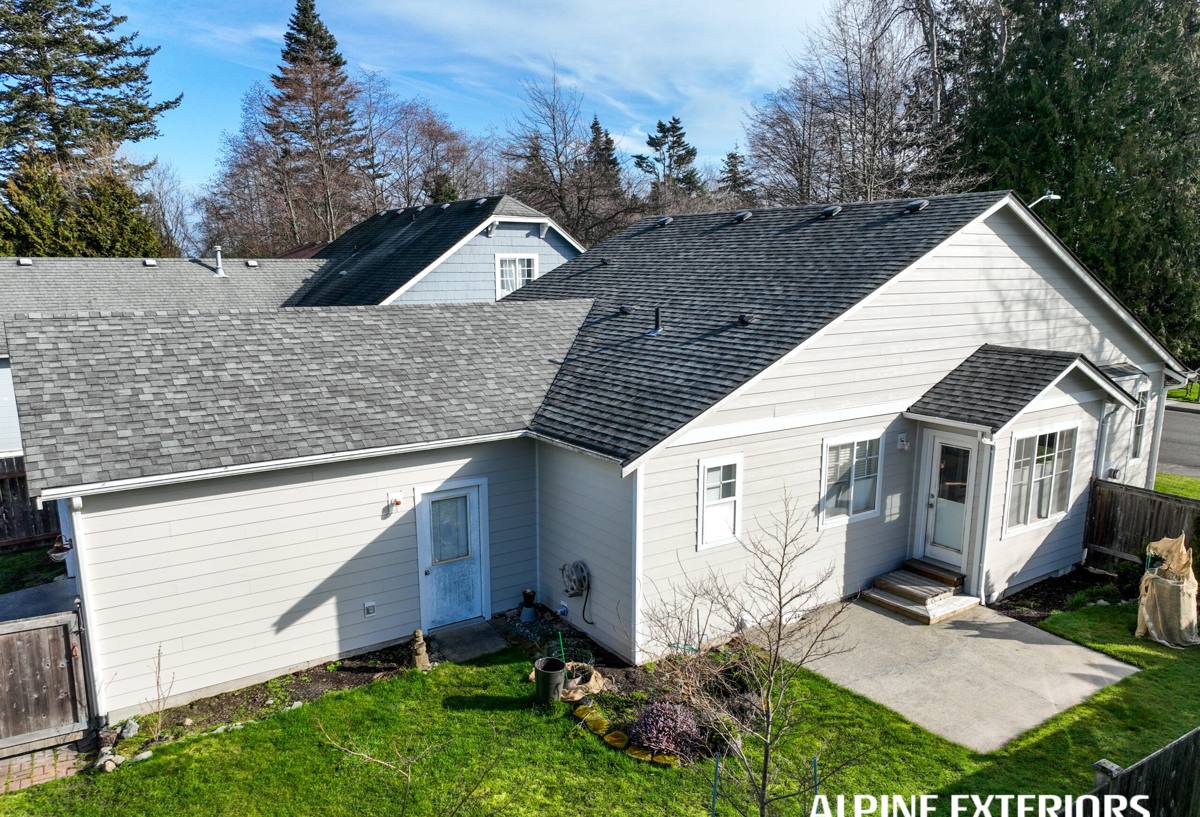
Heat, Humidity, and Wind-Driven Rain: The Real Wear Factors
Four things do most of the damage to exterior siding in the greater Tampa area, and Lutz gets a dose of all of them:
- UV exposure — Florida sun runs strong essentially year-round, and siding that isn't UV-stable will fade, chalk, or become brittle well ahead of schedule.
- Wind-driven rain — Afternoon storms in the warm months don't just wet a wall, they drive water sideways into seams, laps, and trim joints. Any weak point in the water management behind the siding gets tested every summer, not once a decade.
- Humidity and shade — Lutz's tree cover and lake proximity keep moisture around longer after a storm than it would linger on an open, sun-exposed lot. Siding that traps moisture, or wood-based products that swell and need repainting, has a harder time in that environment.
- Wind loads — Tropical systems and severe thunderstorm outflow bring gusts that test fastener holding power and how well siding is actually attached, not just what it's made of.
Homes closer to the bay or the Gulf also deal with salt-laden air corroding fasteners and trim over time. Lutz is far enough inland that salt exposure is a smaller factor here than it is for waterfront Tampa Bay properties, but it's still part of the regional picture, and it's one more reason we spec corrosion-resistant fasteners and trim hardware on every job in this area, not just the ones closest to the water.
Why We Only Install James Hardie Fiber Cement
We get asked fairly often why we don't offer vinyl, LP SmartSide, or other engineered wood products. The honest answer is that we looked at how those materials perform over a full service life in a climate like ours, and we decided we didn't want our name on the outcome.
Vinyl siding is affordable and easy to install, and for a lot of the country it's a reasonable choice. In Florida's heat and UV load, it tends to fade faster, can warp or distort near grills, dark colors, or reflected sunlight, and it's a poor match for hurricane-force wind events compared to a heavier, more rigid material. Engineered wood products like LP SmartSide use a wood-strand core with a resin binder — solid in many climates, but wood-based products are inherently more sensitive to sustained humidity and moisture intrusion at cut edges and seams, which is exactly the kind of exposure Lutz's shaded, humid lots deliver.
James Hardie fiber cement is cement, sand, and cellulose fiber. It doesn't burn, it doesn't rot, and it doesn't feed termites — all real considerations in a wooded, humid region. Hardie's HZ5 product line is specifically engineered for humid, storm-exposed climates like Florida's, and the ColorPlus factory finish is baked on and warranted against fading and peeling in a way that field-applied paint on other materials generally isn't. It's heavier and more labor-intensive to install than vinyl, and it costs more upfront. We think that trade-off is worth it for a Lutz home that's going to sit under Florida sun and take direct storm impact for the next several decades.
What We Don't Install, and Why
| Product | What it does well | Why we don't use it here |
|---|---|---|
| Vinyl siding | Low upfront cost, fast install | Fades and can distort in sustained Florida heat and UV; lighter material performs worse in high wind |
| LP SmartSide / engineered wood | Lighter than fiber cement, workable cost | Wood-strand core is more sensitive to prolonged humidity and moisture at cut edges and seams |
| Cedar / primed spruce | Natural look, traditional appeal | Needs ongoing repainting and moisture maintenance that Florida's climate accelerates |
| Cemplank / Allura (other fiber cement) | Similar core material to Hardie | We standardized on one manufacturer's engineering, warranty, and finish system so we can install and warranty consistently |
What Correct Installation Looks Like in a Climate Like This
Fiber cement siding is only as good as its installation. Hardie's own specifications call out clearances, fastener patterns, and flashing details that matter far more in a wind-driven-rain climate than they would in a drier one. A rushed or by-the-book-minimum install can still leak, even with the best material on the wall.
On every Lutz project, that means:
- Proper water-resistive barrier and flashing at every window, door, and penetration, lapped correctly so water sheds down and out, not into the wall cavity
- Correct fastener spacing and type, driven to Hardie's specification rather than "close enough," since under-driven or over-driven nails are one of the most common causes of early siding failure
- Adequate clearance between siding and grade, roofing, and decking so moisture doesn't wick up from below
- Caulking and sealant only where Hardie's details call for it — over-caulking traps moisture just as often as under-caulking lets it in
- Field-cut edges sealed per manufacturer spec, since a cut edge is the one place factory-applied protection doesn't reach on its own
This is also where a crew that's actually installed a lot of Hardie in Hillsborough County pays off. We know how the product behaves during Tampa's humid stretches, how it should be gapped and fastened for our wind exposure, and where installers who mostly work in drier climates tend to cut corners without realizing it matters here.
Beyond Siding: Roofing, Windows, and Decks
Siding is one piece of a home's exterior envelope, and in a storm-prone climate the pieces work together. A roof that's shedding water properly, windows that are flashed and sealed correctly, and siding that's installed to spec all depend on each other to keep a house dry. We handle roofing, window replacement, and deck construction alongside siding, which means we can look at a Lutz home's full exterior at once instead of treating siding as an isolated project.
That matters in practice. A window that's leaking behind the trim can rot the sheathing under otherwise sound siding. A roof with failing flashing at a wall intersection can send water straight down behind a siding course no matter how well that siding was installed. When one contractor is responsible for the whole envelope, there's no finger-pointing between trades about whose work let water in.
What a Lutz Siding Project Typically Costs
Every home is different, and the honest answer to "what will this cost" always depends on square footage, the amount of trim and detail work, how much of the existing siding and sheathing needs to come off, and current material pricing. That said, here's what tends to move the number on a Hillsborough County fiber cement project:
| Factor | Why it affects cost |
|---|---|
| Home size and wall complexity | More square footage and more corners, gables, and trim detail mean more labor |
| Tear-off vs. re-side | Removing old siding and inspecting/repairing sheathing underneath adds labor but is often necessary, especially on older homes |
| Siding profile and plank width | Hardie offers several lap widths and textures; larger or more decorative profiles can affect material and labor cost |
| Trim and accessory work | Corner boards, window trim, and soffit work are often bundled into a full exterior job |
| Site access and lot conditions | Heavily wooded or tight lots, common around Lutz's lake-adjacent properties, can slow staging and installation |
We give straightforward, itemized estimates rather than round numbers pulled out of thin air, and we'll walk you through exactly what's driving the price on your specific home.
Signs Your Lutz Home May Need New Siding
Florida's climate tends to accelerate siding problems compared to milder regions, so it's worth checking your exterior more than once a year. Common signs it's time for a closer look:
- Visible warping, buckling, or gaps between siding boards
- Soft spots when you press on the siding, which often means moisture has reached the substrate underneath
- Paint that's peeling, chalking heavily, or fading unevenly, especially on sun-exposed elevations
- Cracking or splitting, particularly at corners and around window and door trim
- Rising utility bills that suggest the wall assembly isn't insulating or sealing the way it used to
- Visible mold, mildew, or staining that keeps coming back after cleaning, a common issue on shaded, humid lots
- Wood-destroying insect activity, which Florida's warm, wooded areas make more likely over time
Catching these early usually means a smaller, less expensive repair. Waiting usually means the problem has reached the sheathing or framing underneath, which turns a siding job into a structural one.
Why a Local Crew Matters for This Job
A siding crew that works Hillsborough County regularly knows how Tampa's humidity, storm patterns, and building codes actually play out on a jobsite, not just what a spec sheet says. That shows up in small decisions: how much clearance to leave near a lake-adjacent lot's higher humidity, how to sequence work around an afternoon storm pattern that's as predictable as it is inconvenient, and how to make sure every flashing detail is built for wind-driven rain rather than just vertical rainfall. It also means we're a known, findable business in this community if you ever need us back for a warranty question or a follow-up repair, not a crew that worked here once and moved on.
Get a Straightforward Estimate
If your Lutz home's siding is showing its age, or you're planning ahead of the next storm season, we're glad to take a look and give you a clear, no-pressure estimate. Use the form below to get started.