 Tampa Siding
 Why Siding Fails Faster in the Tampa Bay Climate
Siding in Hillsborough County works harder than siding almost anywhere else in the country. A typical wall assembly here goes through baking summer sun, sudden afternoon downpours, tropical humidity that never really goes away, and periodic hurricane-force wind events — sometimes all in the same week. None of that is unusual for a Tampa homeowner, but it means the clock on your siding's useful life is ticking faster than it would in a milder climate, and the failure signs are worth knowing before they turn into a structural or moisture problem.
Sun and UV Exposure
Florida gets some of the most intense year-round UV exposure in the continental United States. UV breaks down pigments, resins, and adhesives in exterior materials. On siding, that shows up as fading, chalking (a powdery residue on the surface), and — on lower-quality or improperly finished products — surface cracking as the material dries out and loses flexibility.
Wind-Driven Rain and Humidity
It's rarely just rain in Tampa — it's rain pushed sideways by wind, which finds every gap, seam, and fastener hole in a siding system. Combine that with year-round humidity and short drying windows between storms, and you have ideal conditions for moisture to get behind siding and stay there. Materials that absorb water or swell when wet are especially vulnerable to this cycle.
Salt Air
Homes closer to Tampa Bay and the Gulf coastline deal with an added factor: airborne salt. Salt accelerates corrosion of metal fasteners and trim, and it can contribute to premature breakdown of paint films and caulking, even on homes that aren't right on the water.
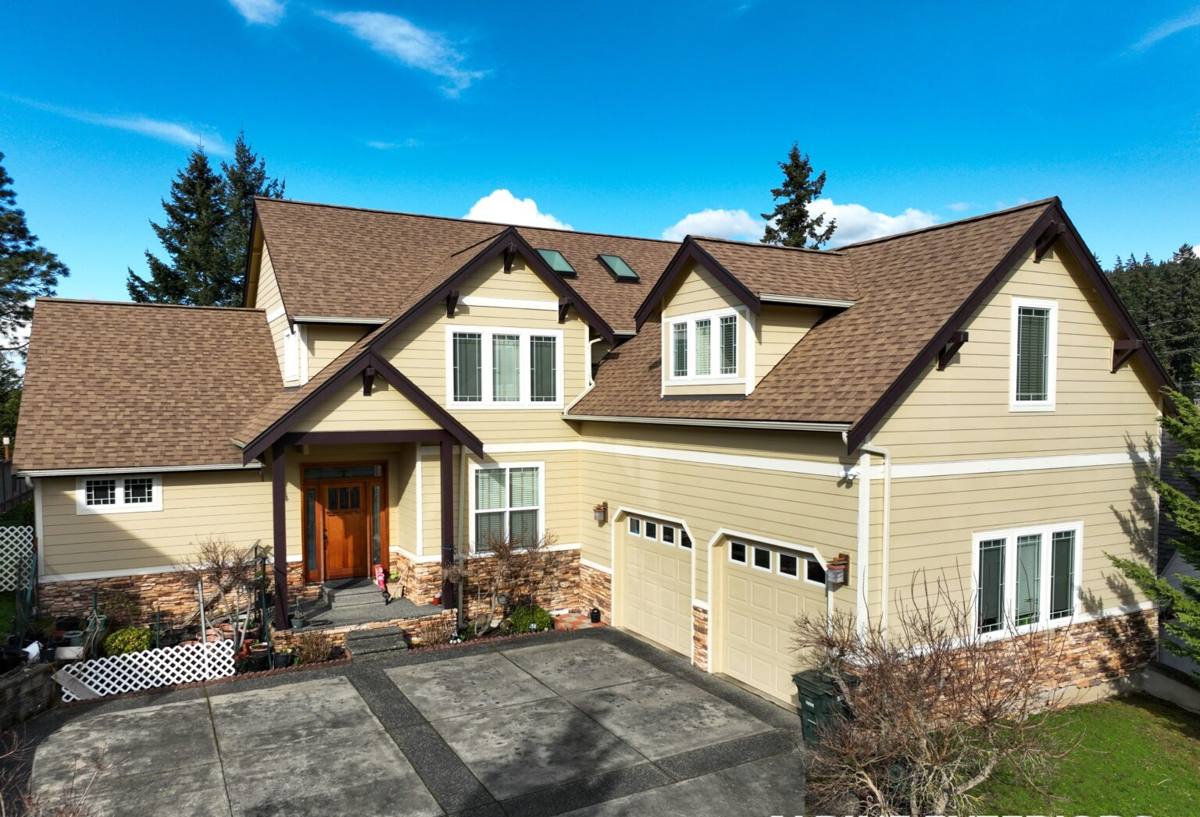
Visual Warning Signs You Can Spot From the Ground
You don't need a ladder to catch most early siding problems. Walk the perimeter of your house on a sunny day and look for these:
- Visible cracking, splitting, or warping in individual siding panels or planks
- Bubbling, blistering, or peeling paint — especially on south- and west-facing walls that take the most sun
- Streaking or dark staining running down from seams, corners, or window and door trim
- Panels that look wavy, bowed, or out of alignment with the wall plane
- Visible gaps opening up between panels or at butt joints
- Soft, discolored, or swollen-looking sections, particularly near the ground or under windows
- Mold, mildew, or algae growth that keeps coming back no matter how often it's cleaned
- Fastener heads popping through the surface or rust stains bleeding from nail holes
Any one of these on its own might be minor. Several showing up in the same area, or a pattern that keeps recurring after cleaning or spot-painting, is a signal the siding itself — not just the surface — is starting to break down.
Signs That Require a Closer Look
Some of the most serious siding problems don't announce themselves from the sidewalk. These are worth checking up close, or having a contractor check, especially before hurricane season each year.
The Soft-Spot Test
Press firmly on suspect areas of siding with your hand or the flat of a screwdriver handle (not the point). Wood-based and engineered wood siding that has taken on water will often feel spongy or give slightly under pressure. That softness is a sign of internal decay, not just surface wear, and it usually means moisture has been sitting in the material for a while.
Seams, Caulk Joints, and Trim
Cracked, shrunken, or missing caulk at seams, corners, and around windows and doors is one of the most common entry points for wind-driven rain. Once caulk fails, water can get behind the siding even if the panels themselves look fine.
Interior Clues
Siding failure doesn't always show up outside first. Peeling interior paint, musty odors, warped baseboards, or unexplained humidity in a room along an exterior wall can all point back to moisture getting in through failing siding.
How Failure Shows Up Differently by Material
The way siding fails depends heavily on what it's made of. Knowing which material is on your house helps you know what to watch for.
| Material | Typical Failure Pattern in This Climate | What Drives It |
|---|---|---|
| Vinyl | Warping, buckling, brittleness, cracking around fasteners | Heat expansion/contraction, UV embrittlement, high wind loads on a lightweight panel |
| Engineered wood (OSB-based) | Edge swelling, softening, bottom-edge deterioration | Moisture wicking into exposed edges and cut ends if not sealed and maintained |
| Solid wood / cedar | Splitting, rot, insect damage, frequent repainting needs | Constant wet-dry cycling and humidity feeding decay organisms |
| Fiber cement (properly installed) | Slow, even weathering; issues usually trace to installation gaps, not the material | Resists moisture absorption and UV breakdown better than wood-based products |
This is exactly why we standardized on James Hardie fiber cement for every installation we do. It's non-combustible, engineered specifically for humid, storm-prone climates in its HZ5 product line, and doesn't absorb and swell the way wood-based sidings do. We're not going to claim any siding is maintenance-free in Florida — nothing is — but fiber cement gives homeowners here a much longer runway before the kind of failure signs above start showing up.
Water Intrusion: The Real Threat Behind Most Failures
Almost every serious siding failure traces back to water getting behind the siding and staying there. Surface damage from UV or wind is mostly cosmetic and slow-moving. Trapped moisture is different — it feeds rot in wood-based products, corrodes fasteners and framing, and can lead to mold growth inside wall cavities long before it's visible from outside. Once water intrusion reaches the wall sheathing or framing, you're no longer looking at a siding repair — you're looking at a repair that includes carpentry and possibly interior work.
This is why house wrap, proper flashing at windows and doors, correct panel overlap, and sealed cut ends matter as much as the siding material itself. A premium siding product installed with gaps in the water management details will still fail early. A modest product installed correctly, with attention to those details, will often outperform it.
A Simple Weekend Check
Before calling anyone, a homeowner can do a reasonable first-pass inspection in under an hour:
- Walk the full perimeter of the house in daylight, checking each wall for the visual signs listed above.
- Press on any suspicious areas, especially near the ground, under windows, and around outdoor spigots or dryer vents.
- Check caulk lines at corners, trim, and penetrations for cracking or gaps.
- Look up at the top courses near the roofline and soffit, where wind-driven rain often hits hardest.
- Note any interior rooms with musty smells, peeling paint, or humidity along exterior walls.
If you find two or more warning signs, or anything that feels soft or spongy to the touch, it's worth getting a professional opinion before the next storm season rather than after.
Repair or Replace?
Not every warning sign means a full re-side. The right call usually comes down to how localized the damage is and what's causing it.
| Factor | Leans Toward Repair | Leans Toward Replacement |
|---|---|---|
| Extent of damage | Isolated to one or two panels/areas | Spread across multiple walls or elevations |
| Cause | Single incident (impact, one failed caulk joint) | Systemic moisture intrusion or material breakdown |
| Age of siding | Relatively young, otherwise sound | Near or past expected service life |
| Underlying structure | Sheathing and framing test dry and solid | Soft sheathing, rot, or signs of long-term water entry |
| Product match | Matching panels/colors still available | Discontinued product or major color mismatch |
A contractor worth hiring will tell you honestly when a repair makes sense instead of pushing a full replacement — and will also tell you when patching a symptom is just delaying a bigger job.
What We Recommend When Replacement Is the Right Call
When a Tampa homeowner does need to replace siding, we install James Hardie fiber cement exclusively — we don't offer vinyl, LP SmartSide, or unfinished wood siding, and that's a deliberate standard, not a limitation of what we're capable of installing. Hardie's HZ5 climate-engineered formulation is built for exactly the conditions Hillsborough County deals with: heat, humidity, and wind-driven rain. The factory-applied ColorPlus finish resists the fading and chalking that UV causes on field-painted materials, and the product carries a strong transferable warranty when installed to the manufacturer's specifications. It won't warp in the heat, it won't swell at cut edges the way wood-based products can, and it's non-combustible — a real consideration during Florida's dry, windy spring months.
Correct installation matters as much as the product choice. Proper fastening patterns, clearances, flashing, and sealed cut ends are what actually keep water out over the long run, regardless of brand.
If you're noticing any of the signs above, or just want an honest read on where your siding stands, we're happy to take a look and walk you through what we find. There's no pressure and no obligation — just a straightforward assessment from people who work on Tampa homes every day. Use the form below to request a free estimate.