 Tampa Siding
 Siding Built for Carrollwood's Climate
Carrollwood sits inland from Tampa Bay, but "inland" in Hillsborough County doesn't mean sheltered. Homes here still take a full year of subtropical punishment: long stretches of intense UV that bake paint and cladding, humidity that never really lets up, sudden afternoon downpours that drive rain sideways against exterior walls, and the real chance of hurricane-force wind gusts during the June-through-November storm season. Add in the salt-laden air that drifts inland from the Gulf and Tampa Bay on a breeze, and you've got a climate that is genuinely hard on exterior building materials, even a few miles from the water.
We install siding, roofing, windows, and decks across the Tampa area, and Carrollwood is one of the neighborhoods we work in regularly. This page covers what local homes tend to face, how our siding process works, and why we've standardized on one product system instead of offering a menu of options.
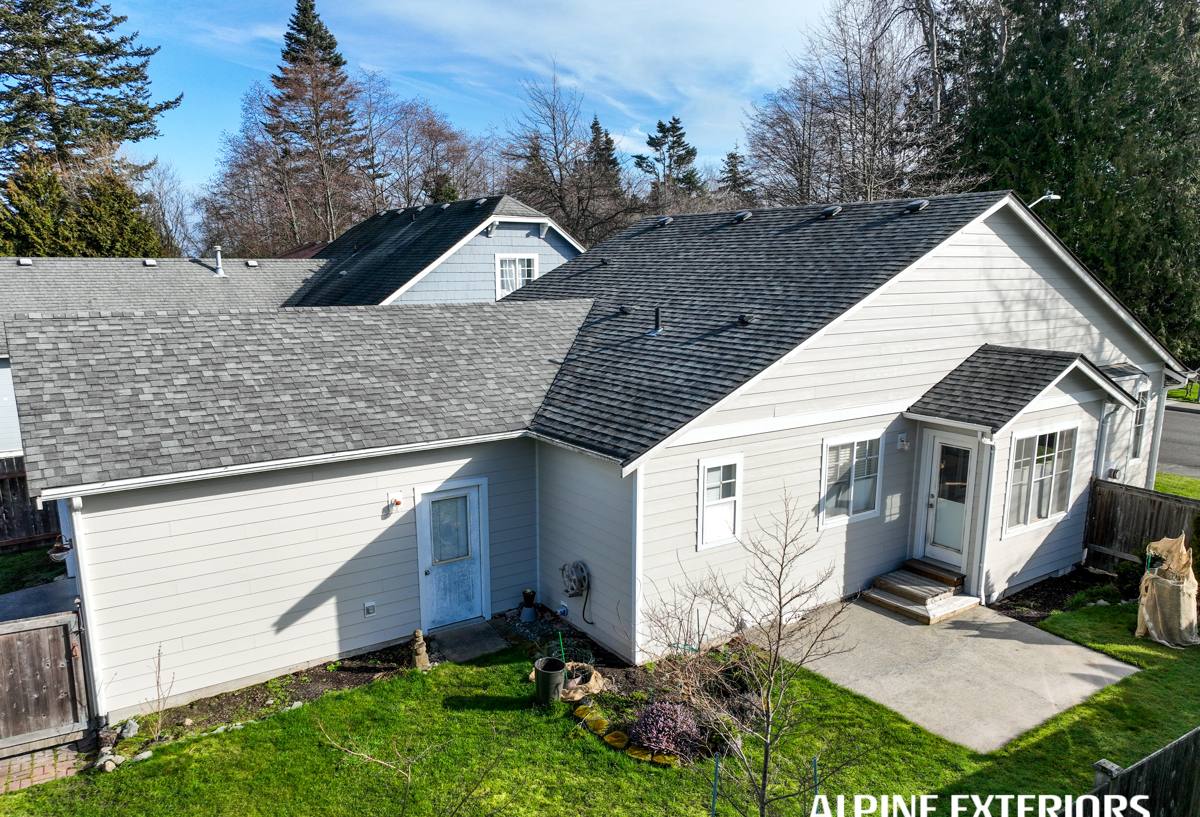
What Carrollwood Homes Are Up Against
Sun and Heat
Central Florida sun is relentless. UV exposure breaks down pigments and resins in lower-grade siding materials, which is why so many homes in this part of Tampa show chalky, faded, or streaked siding well before the material has structurally failed. Heat cycling — hot days, cooler nights, hot again — also stresses seams, caulk joints, and any material prone to expansion and contraction.
Humidity and Moisture
Hillsborough County's humidity is a year-round condition, not a seasonal one. Siding that traps moisture behind it, or that swells and holds water at cut edges and seams, is set up for problems: soft spots, mold growth, and eventual rot in the substrate behind the cladding. This is one of the biggest differences between siding products, and it's a major factor in what we install and what we don't.
Wind and Storm Pressure
Carrollwood isn't a coastal flood zone, but it's still squarely inside a region that gets hurricane and tropical storm impacts most years — strong straight-line gusts, wind-driven rain, and the occasional tornado spun off a passing storm cell. Siding needs to be rated for wind pressure and installed with the correct fastening pattern to actually perform in those conditions, not just look good on a calm day.
Salt Air
Tampa Bay is close enough that salt-bearing moisture in the air reaches well inland, including into Carrollwood. Salt accelerates corrosion on fasteners and trim and can degrade certain finishes over time. It's a slower effect than direct coastal exposure, but it adds up over a 20-30 year siding lifespan.
Why We Only Install James Hardie Fiber Cement
We get asked why we don't offer vinyl, LP SmartSide, or other engineered wood siding products alongside Hardie. The honest answer is that we made a decision to standardize on one system because we think it holds up better, for longer, in exactly the conditions Carrollwood homes face.
| Factor | James Hardie Fiber Cement | Vinyl / Engineered Wood |
|---|---|---|
| Combustibility | Non-combustible material | Vinyl softens/melts under heat; wood-based products are combustible |
| Moisture behavior | Dimensionally stable, engineered for humid climates | Wood-based products can swell or degrade if moisture reaches the substrate |
| UV/fade resistance | ColorPlus factory finish is baked on and warrantied against fade/peel | Field-applied or lower-grade finishes fade faster under Florida sun |
| Wind performance | HZ product lines engineered for high-wind, high-humidity zones | Varies by product and installation quality |
| Long-term maintenance | Low — no repainting cycle with ColorPlus finish | Vinyl doesn't hold paint well; wood products need ongoing sealing/painting |
To be fair to the alternatives: vinyl siding is inexpensive and easy to install, and engineered wood products like LP SmartSide have real fire-treatment and cost advantages over untreated wood. We're not saying those products are junk. We're saying that after years of installation and repair work in this climate, we decided the trade-offs weren't worth it for the homes we're putting our name on — particularly moisture sensitivity at cut edges and seams, and how those products age under sustained UV and humidity. James Hardie's fiber cement composition, factory-applied finish, and engineering specifically for Gulf Coast-type climates lined up better with what we wanted to stand behind.
How the Installation Process Works
Assessment and Measurement
We start with an on-site look at the existing siding, sheathing, and any problem areas — soft spots, prior water intrusion, trim condition. This tells us whether it's a straight re-side or whether there's substrate repair to handle first.
Product and Color Selection
James Hardie offers several product lines and a range of ColorPlus factory finishes, plus primed panels for custom paint. We walk through options based on your home's style and any HOA or neighborhood aesthetic considerations that come up in established Carrollwood communities.
Prep Work
Old siding comes off, the sheathing gets inspected and repaired as needed, and a proper weather-resistive barrier goes on before any new siding is hung. This step matters more than people realize — a poor moisture barrier undermines even the best siding product.
Installation to Manufacturer Spec
James Hardie publishes specific fastening patterns, clearances, and caulking requirements, and those specs exist for a reason — they're what make the product perform in wind and moisture events. We install to those specs, not shortcuts.
Final Walkthrough
Trim, paint touch-up where applicable, and a walkthrough so you know what was done and what the warranty covers.
What Correct Installation Actually Involves
A lot of siding problems that show up years later trace back to installation shortcuts, not the product itself. A few things that matter and are easy to skip if a crew is rushing:
- Correct fastener type, spacing, and penetration depth — not just "close enough"
- Proper clearance between siding and grade, decking, and roofing to avoid wicking moisture
- Butt joints and seams caulked and flashed per manufacturer spec
- A continuous, correctly lapped weather-resistive barrier underneath
- Trim and penetrations (vents, fixtures, hose bibs) properly flashed and sealed
- Panels cut and primed on cut edges before installation, not left raw
Roofing, Windows, and Decks Together
Siding doesn't work in isolation — it's one piece of a home's overall building envelope. We also handle roofing, windows, and decks, which matters in a neighborhood like Carrollwood because these systems interact: a roof leak can damage siding and sheathing from above, poorly flashed windows can let moisture behind new siding no matter how well it's installed, and deck ledger connections need to be detailed correctly where they meet the house. Having one crew responsible for how these systems tie together avoids the finger-pointing that happens when different contractors handled the roof, the windows, and the siding separately and something leaks at the seam between their work.
Cost Factors for Carrollwood Homes
We don't post fixed prices because every home is different, but the main factors that drive cost are consistent:
| Factor | Why It Matters |
|---|---|
| Home size and stories | More square footage and multi-story access increase labor and material |
| Substrate condition | Existing rot or water damage adds repair scope before new siding goes on |
| Product line and finish | ColorPlus factory finishes and specific Hardie lines vary in price |
| Trim and architectural detail | Complex trim, gables, and accents add labor time |
| Tear-off vs. overlay feasibility | Most re-sides require full tear-off to inspect and prep sheathing properly |
Why a Local Crew Matters
Contractors who work Hillsborough County regularly know how Carrollwood homes are built and what tends to go wrong first — where moisture typically gets in, how prior siding generations in the area were installed, and what wind and rain actually do to a house here versus a spec sheet in a manual. A local crew also means someone accountable and reachable if a warranty question or issue comes up years down the road, not a company that installed once and moved on to the next region.
Signs It's Time to Consider New Siding
- Visible warping, buckling, or soft spots you can press in with a hand
- Persistent fading or chalking that repainting doesn't fix for long
- Cracked or separated seams and caulk joints
- Rising energy bills that point to a failing building envelope
- Visible mold, mildew, or musty smell near exterior walls
- Siding that's original to a home older than 20-25 years
If you're in Carrollwood and any of this sounds familiar — or you're just planning ahead — we're happy to take a look. We offer free, no-pressure estimates, and we'll give you an honest read on whether it's time to re-side, what that would involve, and what it would cost. The form below is the fastest way to get started.