 Tampa Siding
 Hyde Park Homes Face a Tough Climate
Hyde Park is one of Tampa's older, well-established neighborhoods, and that means a lot of the homes here have exterior siding that's been through decades of Gulf Coast weather. Hillsborough County sits squarely in a zone where hurricane-force winds, intense year-round UV exposure, wind-driven rain, and salt-laden air all take a toll on a home's exterior. None of that is unique to Hyde Park, but the age and character of many of its houses mean the siding on them has usually had more cycles of sun, storms, and humidity to absorb than siding on a newer subdivision across town.
When we talk with Hyde Park homeowners about siding, roofing, windows, or decks, the conversation almost always starts with the same question: what's actually causing the peeling paint, the soft spots, the fading, or the gaps around trim? The honest answer is usually a combination of Florida sun, moisture, and time — and the fix depends on picking materials and installation methods that were actually built to handle that combination, not just materials that look good on day one.
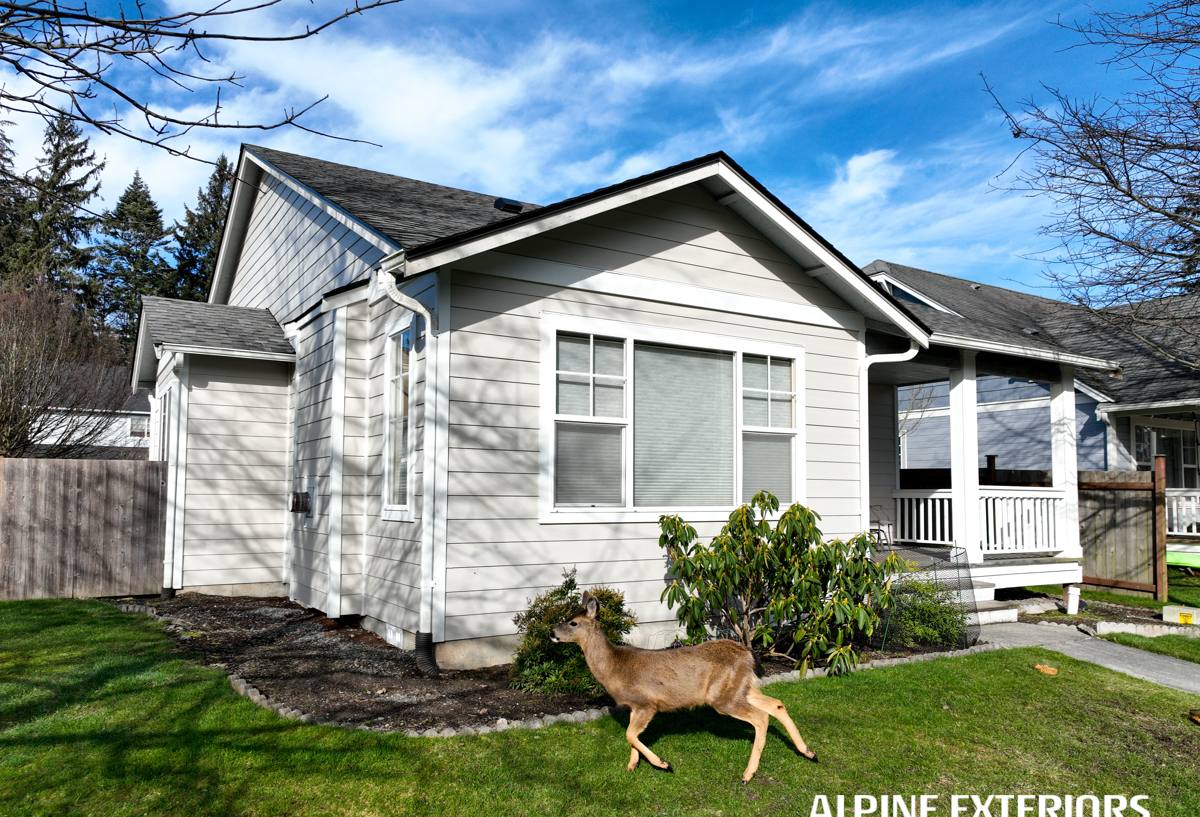
What Tampa's Climate Does to Exterior Siding Over Time
UV Exposure
Central Florida gets a lot of direct sun, and it's relentless — not just in summer, but nearly year-round. UV breaks down pigments and resins in lower-quality siding and paint finishes, which is why so many homes in older neighborhoods show chalking, fading, or uneven color on their sun-facing walls long before the rest of the house shows its age. Factory-applied, UV-stable finishes hold up dramatically better than field-applied paint that gets baked and faded a little more every single day.
Wind-Driven Rain and Moisture
Tampa's rain doesn't fall straight down very often. During storms and hurricane season, rain gets driven sideways into siding, seams, and trim joints under real pressure. Materials that swell, warp, or absorb water when saturated are working against you here — moisture that gets behind or into siding doesn't dry out quickly in Florida's humidity, and that's when rot, mold, and structural damage start.
Salt Air and Corrosion
Hyde Park's proximity to Tampa Bay means salt air is a real factor, even away from the immediate waterfront. Salt accelerates corrosion of fasteners and metal components, and it can also accelerate the breakdown of certain siding materials and finishes over time. Materials and installation hardware need to be chosen with that in mind, not treated as an afterthought.
Hurricane-Force Wind
Every few years, Hillsborough County deals with a storm that puts real wind load on a home's exterior. Siding that isn't rated or installed correctly for wind exposure can lift, crack, or fail at the fasteners — and once one section fails, wind and water tend to find their way behind the rest of the wall.
Why We Install Only James Hardie Fiber Cement Siding
We made a deliberate decision as a company to install James Hardie fiber cement siding exclusively — not vinyl, not LP SmartSide, not Cemplank, Allura, primed spruce, or cedar. That's not a marketing gimmick; it's because after years of doing exterior work across the Tampa Bay area, fiber cement from Hardie is the product we trust to hold up against the specific combination of sun, wind, rain, and salt air this region produces.
Non-Combustible Material
Fiber cement is non-combustible, which matters for fire safety and is also reflected in some insurance considerations. It's a meaningfully different material category than wood-based or vinyl products.
ColorPlus Factory Finish
Hardie's ColorPlus finish is baked on at the factory under controlled conditions, rather than painted on-site. That finish is engineered to resist the fading and chalking that UV-heavy climates like ours cause in field-applied paint, and it comes backed by its own finish warranty separate from the substrate warranty.
HZ5 Climate-Engineered Product Line
James Hardie makes region-specific product formulations, and the HZ5 line is engineered for hot, humid, high-moisture climates like Florida's — which is different from what they'd recommend for a dry climate. That distinction matters. A siding product engineered for Arizona and one engineered for the Gulf Coast are not interchangeable, even if they look similar on a spec sheet.
Strong, Transferable Warranty
Hardie backs its siding with a long-term limited warranty that's transferable to a new owner if the home sells — a real factor for resale value, since a documented, transferable warranty gives a buyer confidence the exterior was done right.
Why We Don't Install the Alternatives
We get asked fairly often why we won't install vinyl, LP SmartSide, Cemplank, Allura, or wood siding, since all of them are legitimate, widely-used products elsewhere. Here's the honest, straightforward reasoning behind our standard:
| Material | What it does well | Why it's not our standard for this climate |
|---|---|---|
| Vinyl siding | Low upfront cost, low maintenance in mild climates | Can warp or become brittle under intense heat and UV; more vulnerable in high-wind events; seams can allow water intrusion |
| LP SmartSide (wood-strand) | Good appearance, workable installation, reasonable cost | Wood-strand core is more moisture-sensitive; edge sealing and maintenance become critical in a humid, storm-prone climate |
| Cemplank / Allura (other fiber cement) | Similar core material category to Hardie | Different factory finish systems and warranty structures; we standardized on one system we know inside and out for consistency and accountability |
| Primed spruce / cedar | Traditional look, natural material | Highest ongoing maintenance burden; most vulnerable to moisture, rot, and pests in Florida's humidity |
None of these are bad products in every context — vinyl works fine in plenty of climates, and cedar has real appeal for the right homeowner willing to maintain it. Our position is simply that for the specific stresses Hillsborough County exteriors face, fiber cement from a manufacturer with a climate-specific product line and a proven factory finish is the more defensible long-term choice, and it's the one we're willing to put our name behind.
Beyond Siding: Roofing, Windows, and Decks
Siding is only one piece of a home's exterior envelope, and the same climate factors that wear down siding also affect roofing, windows, and decking. We handle all four because they interact — a roof leak can damage siding and trim from the top down, failing window seals can let wind-driven rain into wall cavities, and an exposed deck takes the same UV and moisture beating as everything else on the house.
Roofing
A roof that's failing or nearing the end of its service life is often the actual source of moisture problems that show up as siding or trim damage. We evaluate the roof as part of any full exterior assessment, not in isolation.
Windows
Older windows and worn seals are a common entry point for wind-driven rain, and in a storm-prone area like Tampa, window performance also factors into a home's overall wind resistance.
Decks
Outdoor decks in this climate deal with the same UV and moisture exposure as siding, just closer to the ground and often in more direct sun. Material choice and proper drainage detailing matter just as much here as they do on a wall.
How a James Hardie Installation Works
Correct installation is at least as important as the material itself — fiber cement siding installed to spec performs very differently than the same product installed with shortcuts. Our process on a Hyde Park home generally includes:
- An on-site assessment of existing siding, trim, and any underlying moisture or structural issues
- Removal of old siding and inspection of the sheathing and weather barrier underneath
- Repair or replacement of any compromised sheathing before new siding goes on
- Installation of a proper weather-resistive barrier and correctly detailed flashing at windows, doors, and penetrations
- Installation of James Hardie panels or planks per manufacturer specifications, including proper fastener type, spacing, and clearances
- Caulking, trim, and finish work to close out seams and joints correctly
- A final walkthrough to confirm the work meets both our standard and the manufacturer's installation requirements, which also protects the warranty
That last point matters more than homeowners often realize: James Hardie's product warranty can be affected by how the siding is installed, so cutting corners on installation doesn't just risk poor performance — it can undermine the very warranty that's part of why you chose the product in the first place.
Why a Local Crew Matters in Hyde Park
A crew that works regularly in the Tampa Bay area understands things a national or fly-by-night contractor doesn't have to think about: how Hillsborough County permitting and inspection work, what wind and moisture detailing actually holds up here versus somewhere else, and what an older Hyde Park home's construction is likely to look like once the old siding comes off. Local accountability also matters — a company with a real presence in the area has a reputation to protect and is going to be around if a warranty question comes up years down the road.
What to Look for in an Exterior Contractor
- Proper licensing and insurance for work in Hillsborough County
- Manufacturer-specific training or certification for the products they install
- A written scope of work that specifies materials, flashing details, and fastener schedules — not just "new siding"
- Willingness to explain warranty terms in plain language, including what voids them
- References or a track record in the local area, not just glossy marketing photos
- A clear plan for what happens if hidden damage is found once old siding is removed
Cost Factors to Expect
Every home is different, and we don't quote pricing without seeing the actual house, but these are the main factors that drive cost on a siding project in this area:
| Factor | Why it affects cost |
|---|---|
| Home size and wall complexity | More square footage and more corners, gables, and trim details mean more material and labor |
| Condition of existing sheathing | Hidden rot or moisture damage found during tear-off adds repair work before new siding can go on |
| Siding profile and color | Different Hardie plank widths, textures, and ColorPlus color options carry different material costs |
| Trim and accessory work | Fascia, soffit, and trim replacement alongside siding adds scope but improves the finished result |
| Access and site conditions | Multi-story sections, tight lot lines, or landscaping constraints can affect labor time |
Let's Take a Look at Your Home
If your Hyde Park home's siding is fading, warping, or just past its prime, we're happy to come take a look and give you a straightforward, no-pressure estimate — along with an honest read on whether siding, roofing, windows, or decking should be the priority. There's no obligation, just a clear picture of what your home actually needs.