 Tampa Siding
 Exterior Work for Valrico Homes, Done by a Local Crew
Valrico sits inland from Tampa Bay in Hillsborough County, but "inland" doesn't mean sheltered. Homes here still take the full brunt of a Central Florida year: long stretches of intense UV, sudden afternoon thunderstorms that dump rain sideways, hurricane-season wind events, and the kind of humidity that never really lets a house dry out between storms. We handle siding, roofing, windows, and decks for homeowners in this area, and we've built our whole approach around materials and installation practices that hold up to exactly those conditions — not generic "curb appeal" upgrades that look good for a season and then start showing problems.
Whether your home is a decades-old build with original siding that's finally failing, or a newer property where the builder-grade exterior isn't standing up the way it should, the questions are the same: what's actually happening to the material, what's the honest fix, and who's going to install it correctly. That's what this page walks through.
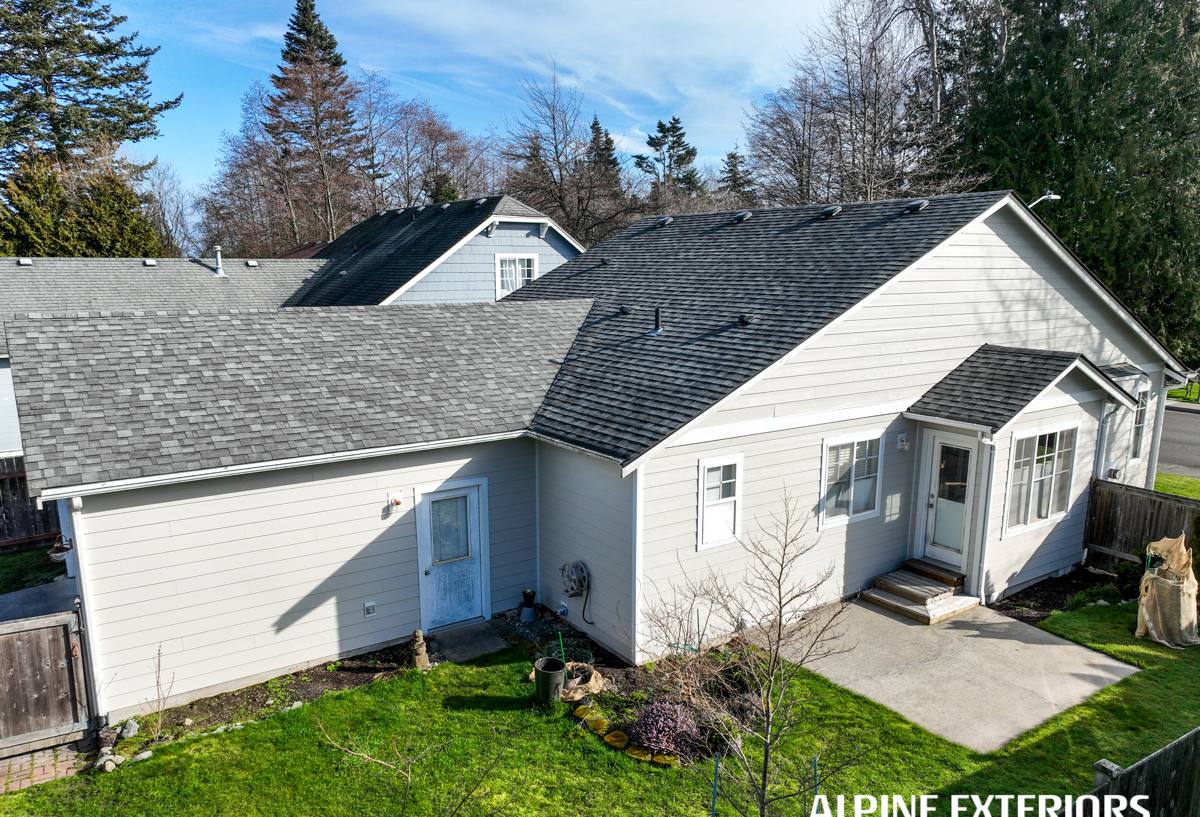
What Tampa-Area Climate Does to a House Over Time
A house in Valrico deals with several distinct kinds of stress, often in the same week:
Heat and UV
Florida sun is relentless on exterior surfaces. Paint chalks and fades faster here than almost anywhere else in the country, and materials that aren't engineered for UV exposure can become brittle, warp, or lose their finish well ahead of their expected lifespan.
Wind-Driven Rain
Tampa-area storms rarely fall straight down. Wind pushes rain sideways and up under laps, trim, and seams — the exact spots where lower-grade siding and poor flashing details let water in. Once moisture gets behind a wall system, the damage often isn't visible until it's serious.
Hurricane-Force Wind Events
Hillsborough County sits in an active hurricane corridor. Even when a storm doesn't make a direct hit, the outer wind bands and tropical system passes that come through most seasons put real load on siding attachment, roof edges, and window seals. Materials and fastening schedules that are marginal in calm weather get exposed fast in a wind event.
Humidity and Moisture Cycling
High year-round humidity means exterior materials are almost always damp on some level. Products that absorb moisture and don't shed it well are prone to swelling, rot, and paint failure — problems that compound instead of resolving on their own.
Salt Air Influence
Valrico is inland, but Tampa Bay is close enough that salt-laden air still reaches homes throughout the area, especially during onshore wind patterns. Salt exposure accelerates corrosion of fasteners and metal components and speeds up wear on finishes that aren't built to resist it.
None of this is unique to Valrico — it's the reality for exterior materials across the Tampa Bay region. But it's exactly why product choice and installation quality matter more here than in a milder climate.
Why We Install Only James Hardie Fiber Cement Siding
We made a deliberate decision as a company: we install James Hardie fiber cement siding, and we don't install vinyl, LP SmartSide, Cemplank, Allura, or primed wood products like spruce or cedar. That's not a marketing angle — it's a standard we hold because of what we've seen these materials do (and not do) in this climate over time.
Vinyl siding is affordable and low-maintenance in mild climates, but in intense heat it can warp, sag, or become brittle, and in high wind it's more prone to cracking or blowing off than a mechanically fastened fiber cement panel. Engineered wood products like LP SmartSide use resin-treated wood strands and perform reasonably well when installation and caulking are perfect and stay perfect — but any gap in that maintenance, especially with the moisture cycling common here, opens the door to swelling and rot at seams and cut edges. Primed wood siding (spruce, cedar) looks great on day one but requires an ongoing paint and caulk maintenance schedule that most homeowners underestimate, and coastal humidity shortens the interval between repaints.
James Hardie fiber cement is cement, sand, and cellulose fiber — it doesn't burn, it doesn't feed rot, and it isn't attractive to termites or other wood-boring pests. Hardie's HZ5 product line is specifically engineered for high-humidity, storm-prone climates like ours, and the ColorPlus factory finish is baked on and warranted against fading and peeling — a real advantage in a market where UV is this aggressive. It costs more up front than vinyl and is heavier to install than engineered wood, and we tell homeowners that plainly. We think the trade-off is worth it for a product that's built for exactly the stresses a Valrico home faces.
James Hardie Product Lines We Work With
| Product | Best Use | Notes |
|---|---|---|
| HardiePlank lap siding | Most common wall application | Traditional lap look, several width and texture options |
| HardieShingle | Accent areas, gables | Staggered or straight-edge shingle profile |
| HardiePanel | Vertical/board-and-batten look | Common on modern and farmhouse-style exteriors |
| HardieTrim | Corners, fascia, window/door trim | Matches siding durability at high-wear edges |
Our Siding Process, Start to Finish
The work happens in a fairly consistent sequence, and skipping steps is where most siding failures start:
- Assessment. We look at the existing siding, sheathing, and any water damage or soft spots before quoting anything.
- Tear-off and inspection. Removing old siding exposes the sheathing underneath — this is often the first time hidden moisture damage becomes visible.
- Repair and prep. Any compromised sheathing gets replaced before new siding goes on. Covering up bad sheathing just hides the problem.
- Weather-resistive barrier and flashing. Proper house wrap and flashing details around windows, doors, and penetrations are what actually keep wind-driven rain out — this step matters more than the siding brand.
- Installation to manufacturer spec. Correct fastener type and spacing, proper clearances, and correct joint treatment, following James Hardie's published installation requirements for our climate zone.
- Trim, caulking, and finish detail. Clean lines at corners, windows, and transitions — the details that determine how the job looks in five years, not just on install day.
Beyond Siding: Roofing, Windows, and Decks
Siding doesn't work in isolation — it's one piece of a home's exterior envelope, and the other pieces face the same climate stress:
Roofing
Roofs take the most direct hit from Florida sun and storm wind, and a roof in poor condition undermines even a brand-new siding job by letting water into the wall system from above. We evaluate roof condition as part of any full exterior project.
Windows
Failing window seals and flashing are a common source of the water intrusion homeowners blame on siding. Impact-rated and properly flashed windows matter for both storm performance and long-term moisture control.
Decks
Outdoor living spaces in this region deal with the same UV and humidity cycling as siding, just at ground level with more foot traffic and standing water exposure. Deck materials and fasteners need the same climate-appropriate thinking.
Handling these trades together means fewer contractors on your property, fewer scheduling headaches, and a crew that understands how the roof, walls, windows, and deck are supposed to work as one system rather than four separate projects.
What Correct Installation Actually Involves
Even the best siding product fails early if it's installed wrong. A few specifics that matter with fiber cement in this climate:
- Fasteners driven to the correct depth — overdriven nails crack the board and create entry points for water
- Proper clearance between siding and grade, roofline, and other hard surfaces to prevent wicking
- Correctly lapped and sealed house wrap behind the siding, not just stapled on loosely
- Butt joints treated and flashed per manufacturer spec, not just caulked and painted over
- Corner and trim details sealed to shed water outward, not trap it
- Field-cut edges primed or sealed before installation, since raw cut edges are the most vulnerable point on any fiber cement board
This is the part of the job that doesn't show up in a photo but determines whether the siding is still performing well in fifteen years or starting to fail in five.
Cost Factors for a Valrico Siding Project
Every home is different, but the same handful of factors drive most of the cost variation we see on siding projects in this area:
| Factor | Why It Matters |
|---|---|
| Home size and wall complexity | More square footage and more corners, gables, and dormers mean more material and labor |
| Existing sheathing condition | Hidden moisture or rot damage found during tear-off adds repair work before new siding goes on |
| Siding profile and accessories | Trim details, shingle accents, and custom color choices affect material cost |
| Access and site conditions | Landscaping, fencing, and multi-story sections can add labor time |
| Scope — siding only vs. combined with roofing/windows | Bundling trades can be more efficient than separate projects done at different times |
We give homeowners a real, itemized number after seeing the property — not a rough guess over the phone.
Choosing a Contractor in the Valrico Area
Because so much of siding performance comes down to installation quality, the contractor matters as much as the product. Questions worth asking before you sign anything:
- Are they licensed and insured to work in Hillsborough County, and can they provide proof?
- Do they install to the manufacturer's published specifications for your climate zone, not a generic install?
- Will they show you what they find during tear-off before covering it back up?
- Is the warranty — both manufacturer and labor — explained in writing, not just verbally?
- Do they have a local presence, or are they a traveling crew that won't be reachable if something needs attention later?
A local crew has an incentive to get it right the first time, because we're the ones you'll call if something needs a look five years down the road.
After Installation: What to Expect
One of the practical advantages of James Hardie fiber cement is how little ongoing maintenance it needs compared to wood or poorly installed vinyl. There's no annual repainting cycle to plan around, and the factory ColorPlus finish is designed to hold its color under UV exposure far longer than field-applied paint. Homeowners should still do a basic visual check after major storms — looking for loose trim, damaged caulk joints, or debris impact — and keep gutters and downspouts clear so water is directed away from the wall system rather than running down it. That's a fraction of the upkeep other siding materials demand in this climate.
If your Valrico home's siding, roof, windows, or deck are showing their age — or you're planning ahead of the next storm season rather than reacting to one — we're happy to take a look and give you a straight answer about what's needed and what isn't. Reach out for a free, no-pressure estimate using the form below.