 Tampa Siding
 Wesley Chapel's Growth Means a Lot of Exterior Wear Is Still Ahead
Wesley Chapel is one of the fastest-growing communities in the greater Tampa Bay region, and that growth shows in the housing stock: a mix of newer subdivisions built over the last two decades, along with older homes scattered through the area's original neighborhoods. Whether a house went up in 2005 or last year, the exterior is fighting the same battle against Florida's climate. Builders often use the most budget-friendly exterior materials to hit price points during rapid development, which means a lot of Wesley Chapel homes are wearing siding, trim, and roofing that was never really built for the long haul in this environment.
Tampa Siding Co works throughout the Tampa Bay area, and Wesley Chapel is a community we're in regularly. We know the neighborhoods, the HOA expectations that come with newer developments, and the kind of exterior problems that show up here specifically — not generic "Florida siding issues," but the ones tied to this area's mix of open, sun-exposed lots and newer construction that's now reaching the age where original materials start failing.
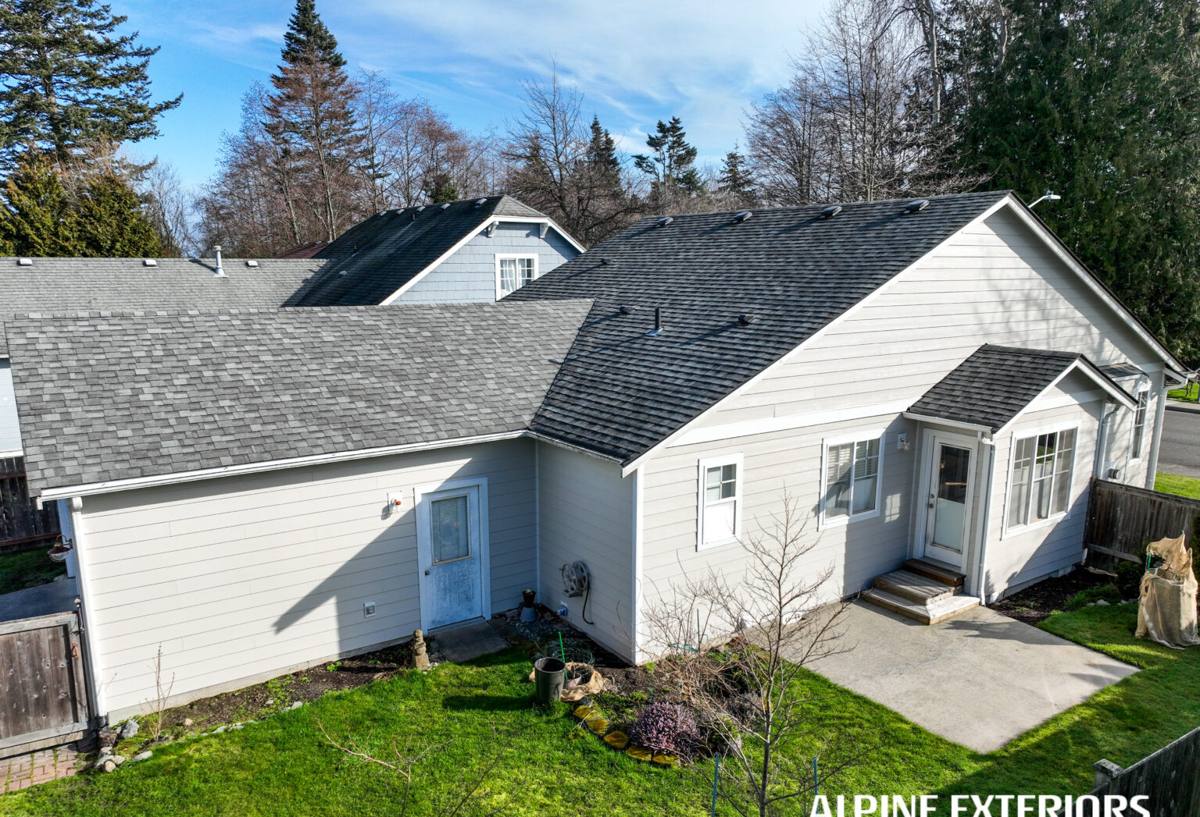
What the Climate Actually Does to a Wesley Chapel Home
Central Florida's weather isn't subtle, and homes here take it from multiple directions at once:
Heat and UV
Wesley Chapel sees intense, nearly year-round sun exposure. On newer lots with young landscaping and minimal tree canopy, siding and trim get direct UV exposure most of the day. Cheaper paints and coatings chalk, fade, and break down faster under that kind of constant exposure — you'll see it as dull, powdery siding or trim that needs repainting far sooner than it should.
Wind-Driven Rain and Humidity
Summer storms in this part of Florida come in fast and sideways. Wind-driven rain doesn't just hit a wall — it drives into every seam, joint, and gap in the siding system. Combined with the region's constant humidity, any siding material that isn't genuinely water-resistant becomes a slow-motion moisture problem: swelling, soft spots, and eventually rot or delamination behind the surface where you can't see it happening.
Hurricane-Force Wind Events
Hillsborough and Pasco County both sit squarely in Florida's hurricane exposure zone, and Wesley Chapel is no exception. Siding needs to stay fastened and intact through sustained high winds and flying debris, not just look good on a calm day. Installation quality — fastening pattern, clearances, flashing — matters as much as the material itself when a storm actually hits.
Salt Air Influence
Wesley Chapel is inland compared to the immediate coast, but the broader Tampa Bay air carries salt influence further inland than people expect, especially during onshore weather patterns. Over years, that contributes to corrosion of fasteners and accelerated wear on lower-grade materials and finishes.
Why We Only Install James Hardie Fiber Cement Siding
Tampa Siding Co made a decision a long time ago to install one siding system: James Hardie fiber cement. We don't install vinyl, LP SmartSide, Cemplank, Allura, or wood siding like primed spruce or cedar. That's not about brand loyalty — it's about what actually holds up to what we described above, house after house, year after year.
Fiber cement is non-combustible, which matters in a state where wildfire risk and lightning-driven brush fires are a real if lower-profile concern. It doesn't absorb and swell with moisture the way wood-based products can, which is a big deal in a climate this humid. James Hardie's ColorPlus finish is baked on at the factory under controlled conditions, so it resists the fading and chalking that a field-applied paint job struggles with under constant Florida sun. And Hardie engineers specific product lines (their HZ5 designation, for example) for climates exactly like ours — humidity, heat, and moisture exposure baked into the product spec, not an afterthought.
We're not going to tell homeowners that every other product is worthless — vinyl is inexpensive and easy to source, wood has real curb appeal for some buyers, and engineered wood products have improved over the years. But we've made installation decisions based on what we're comfortable standing behind on a Wesley Chapel roofline for the next 30+ years, and fiber cement is where that line landed for us.
How the Common Alternatives Stack Up in This Climate
| Material | Moisture Behavior | UV/Fade Resistance | Wind/Storm Durability |
|---|---|---|---|
| James Hardie Fiber Cement | Doesn't swell or rot; engineered for humid climates | Factory ColorPlus finish resists fading | Rated for high-wind installation when installed to spec |
| Vinyl Siding | Doesn't absorb water, but seams can allow water intrusion behind panels | Can fade and become brittle under prolonged UV | Can crack, warp, or blow off in sustained high winds |
| LP SmartSide / Engineered Wood | Wood-based core is moisture-sensitive if seals fail | Requires field-applied finish maintenance | Generally solid when properly installed and maintained |
| Primed Spruce/Cedar | Highest moisture sensitivity; prone to swelling and rot | Needs regular repainting to hold up | Performance depends heavily on ongoing maintenance |
Full Exterior Work, Not Just Siding
Siding rarely fails in isolation. On a lot of Wesley Chapel homes, we're looking at siding, roofing, windows, and sometimes decks all showing wear from the same years of sun and storms. Tampa Siding Co handles all four, which matters for a few practical reasons.
Roofing
A compromised roof edge or damaged flashing is one of the most common sources of water finding its way behind siding. When we're on-site for siding work, we're also looking at roof-to-wall transitions, because that's often where the real leak path starts.
Windows
Window flashing and trim integration is one of the most failure-prone details in any siding installation. Poorly integrated window flashing is a leading cause of hidden water damage, regardless of what siding material is on the wall. We install and integrate windows as part of a full exterior job so the water management is continuous, not patched together by two different crews on two different timelines.
Decks
Wesley Chapel's newer neighborhoods have a lot of outdoor living space — decks and patios that face the same sun and rain exposure as the siding. We build and repair decks with the same standard: materials and fastening chosen for how this climate actually treats exterior wood and composite structures over time.
Why a Local Crew Matters Here
Wesley Chapel has grown fast enough that HOA architectural standards, permitting expectations, and even common home layouts vary noticeably from neighborhood to neighborhood. A crew that works this area regularly knows what inspectors and HOAs typically expect, knows which older subdivisions are more likely to have legacy siding issues versus which newer ones are dealing with builder-grade material fatigue, and can price a job accurately without a lot of back-and-forth. We're not learning the area on your job.
What a Siding Project Actually Involves
Every project starts with an honest look at what's underneath the current siding — you can't price or plan a re-side properly without knowing the condition of the sheathing and framing behind it. From there:
- Full exterior inspection, including trim, window flashing, and roof-to-wall transitions
- Removal of failing material and inspection/repair of any water-damaged sheathing found underneath
- Proper water-resistive barrier installation before any new siding goes up
- James Hardie fiber cement installation to manufacturer fastening and clearance specs for Florida wind zones
- Flashing and sealant details at every window, door, and penetration
- Final walkthrough covering warranty documentation and maintenance expectations
Cost Factors Homeowners Should Understand
We don't quote prices without seeing a house, but the factors that move a Wesley Chapel siding estimate up or down are consistent:
| Factor | Why It Matters |
|---|---|
| Extent of sheathing repair needed | Water damage found during tear-off adds labor and material before new siding can go up |
| Home size and wall complexity | Multiple stories, dormers, and architectural detail add labor time |
| Siding profile and accessories chosen | Trim boards, soffit, and accent details all factor into total material cost |
| Window and trim integration scope | Full window replacement alongside siding changes the flashing plan and labor scope |
| Access and site conditions | Landscaping, fencing, or tight lot lines can affect labor efficiency |
Maintenance in a Wesley Chapel Climate
Even the right material benefits from basic upkeep. We recommend homeowners rinse siding periodically to clear pollen, dust, and salt residue, keep an eye on caulking around windows and trim for cracking, and have a professional look at flashing details after any major storm season. James Hardie siding is low-maintenance compared to wood or vinyl, but "low-maintenance" isn't "no-maintenance," and a five-minute annual check can catch a small sealant gap before it becomes a moisture problem behind the wall.
Get a Straight Answer About Your Home
If your Wesley Chapel home's siding is showing fading, chalking, soft spots, or storm damage — or if it's original builder-grade material that's simply reaching the end of its useful life — we're glad to come take an honest look. We'll tell you what we actually see, not just what sells a job. Reach out for a free, no-pressure estimate using the form below.