 Tampa Siding
 Siding Built for Plant City's Weather, Not Just Its Curb Appeal
Plant City sits inland from Tampa Bay, but "inland" doesn't mean sheltered. Homes here still take a beating from the same subtropical climate that wears down exteriors across Hillsborough County: long stretches of intense UV, humidity that never really lets up, wind-driven rain during summer storm season, and the occasional direct hit or near-miss from a hurricane. Add in Plant City's mix of older farmhouse-style homes, mid-century ranches, and newer subdivisions built out as the area has grown, and you get a wide range of siding conditions — some houses still wearing original wood or aging vinyl, others with fiber cement that was installed correctly and others where it wasn't.
We're a Tampa-based exterior crew that works Plant City regularly, not a national outfit passing through. That matters more than most homeowners realize until they've had the other kind of contractor — the one who shows up once, disappears, and leaves a warranty claim nobody local can honor.
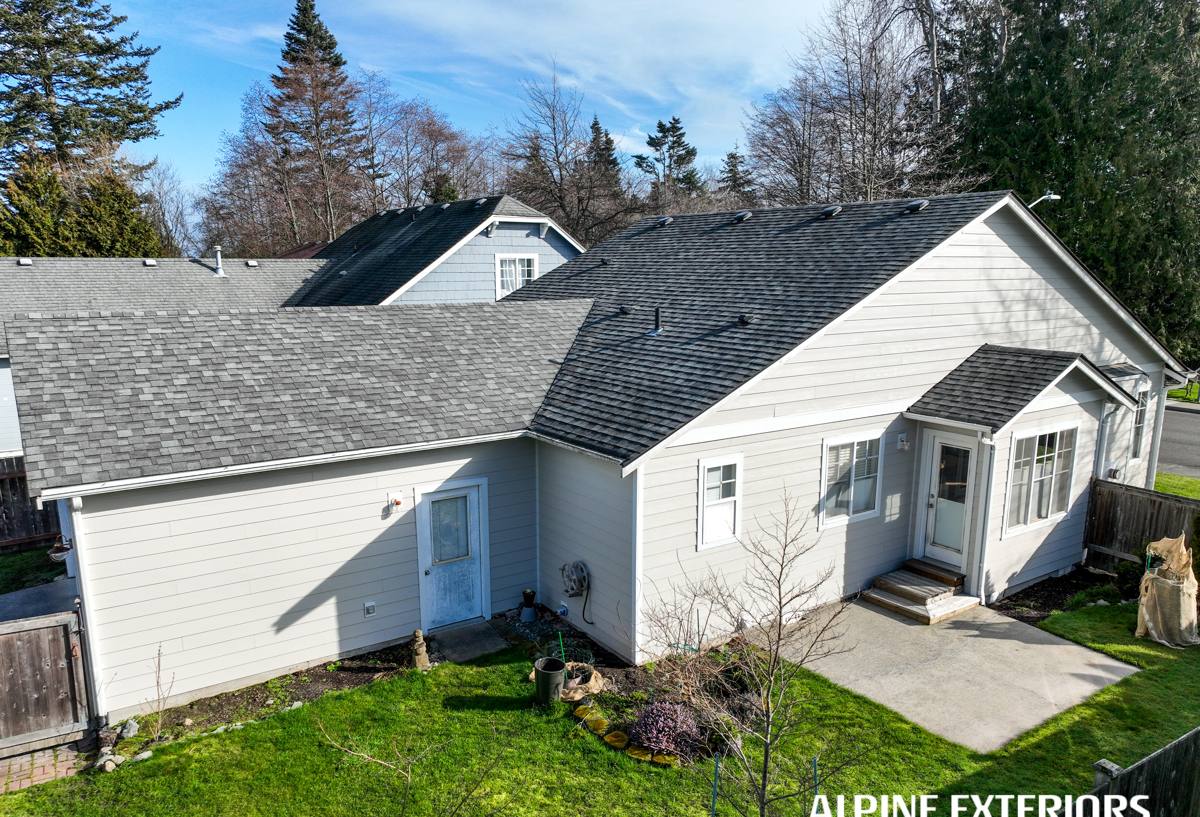
What the Local Climate Actually Does to a House
Heat and UV
Central Florida gets some of the highest annual UV exposure in the continental United States. Siding facing south and west takes the worst of it. Cheaper paints and factory finishes chalk, fade, and lose adhesion years before their rated lifespan. This is one of the biggest reasons paint-grade siding products struggle here — the finish is the first thing to fail, long before the substrate underneath.
Humidity and Moisture Cycling
Plant City's agricultural surroundings and inland location don't spare it from Florida's humidity. Siding here goes through constant wet-dry cycling — morning dew, afternoon storms, evening humidity — that other regions don't deal with nearly as often. Any siding material that absorbs water, swells, or traps moisture behind it is working against the climate from day one.
Wind-Driven Rain and Storm Exposure
Summer storms in this part of Florida rarely arrive straight down. Wind pushes rain sideways into wall assemblies, testing every seam, joint, and piece of flashing on a house. During hurricane season, that same wind can reach speeds that turn poorly fastened siding into a liability — both for the house it comes off of and anything downwind of it.
Salt Air, Even Inland
Plant City is far enough from the coast that salt exposure is lighter than in beachfront communities, but Tampa Bay's proximity and prevailing winds still carry some salt content inland. Combined with humidity, it accelerates corrosion on fasteners, trim, and any metal components on the exterior.
Why We Install Only James Hardie Fiber Cement
We get asked regularly why we don't offer vinyl, LP SmartSide, or other engineered wood options. The honest answer: we've made a professional call to standardize on one product system because it performs consistently in this climate when installed correctly, and we'd rather stand behind one thing we trust completely than offer a menu of products with different failure modes.
Vinyl siding is affordable and low-maintenance in mild climates, but Florida's heat causes it to expand, contract, and warp more than manufacturers' specs assume for milder regions, and it offers little protection in high wind unless installed with extra care most crews skip. Engineered wood products like LP SmartSide use wood strands bonded with resin — a smart improvement over solid wood, but still wood at its core, meaning it depends entirely on an intact factory coating to keep moisture out. Once that coating is compromised — a scratch, a poorly sealed cut edge, a nail that wasn't set right — moisture finds its way in, and Florida's humidity does the rest.
James Hardie fiber cement is cement, sand, and cellulose fibers. It doesn't rot, it isn't attractive to pests, and it's non-combustible — a real consideration during dry stretches when wildfire risk ticks up around Hillsborough County's more rural edges, Plant City included. Hardie's ColorPlus factory finish is baked on and warranted against fading and peeling far longer than field-applied paint holds up under this sun. And Hardie engineers specific product lines for different climate zones — the HZ5 line is built for exactly the humidity and moisture-cycling conditions Plant City sees.
None of this means other products are junk. It means we've decided, as installers who have to stand behind our own work, that Hardie gives us the best odds of a siding job that still looks and performs right in fifteen years — not just at the final walkthrough.
Material Comparison at a Glance
| Material | Moisture Behavior | UV/Finish Durability | Wind Performance | Our Position |
|---|---|---|---|---|
| Vinyl | Doesn't absorb water, but seams and gaps let moisture behind it | Can fade and become brittle in high UV over time | Weak unless heavily fastened | Not installed |
| LP SmartSide / engineered wood | Vulnerable once coating is breached | Coating-dependent; needs upkeep | Moderate | Not installed |
| Cedar / primed spruce | Absorbs moisture, prone to rot in humidity | Requires regular repainting/sealing | Moderate, fastener-dependent | Not installed |
| James Hardie fiber cement | Does not rot; resists moisture damage | Factory finish warranted for decades | Engineered for high-wind regions | What we install |
Why a Local Tampa Crew Matters in Plant City
Plant City's building conditions aren't identical to downtown Tampa's or the beach communities out toward Clearwater. Lot sizes tend to be larger, some homes sit closer to agricultural land, and the mix of older and newer construction means we see everything from original wood siding on a 1960s ranch to a decade-old vinyl job that's already showing wind damage. A crew that works this specific area regularly knows what to expect before we even pull up — what the substrate underneath old siding usually looks like, how local permitting works, and which parts of a house typically take the worst weather exposure.
Being local also means something after the job is done. If a hurricane comes through and you need someone to check your exterior, we're a short drive away, not a call center routing you to whoever's available. Warranty work, follow-up questions, and future projects all go through the same crew that did the original install.
Our Full Exterior Services in Plant City
Siding is our specialty, but a house is one system, and we handle the parts that work together with it:
- Siding: James Hardie fiber cement installation, repair, and replacement
- Roofing: Roof replacement and repair — roofing and siding both fail from the same wind and water exposure, so we look at both together
- Windows: Replacement windows that pair with new siding for a tighter, better-sealed building envelope
- Decks: Exterior deck construction and repair, built to handle sun and moisture exposure the same way siding does
Bundling siding with roofing or windows on the same project often reduces total disruption to your property and lets us coordinate flashing and water management across the whole exterior instead of treating each surface as a separate problem.
How the Process Works
1. On-Site Assessment
We walk the exterior, check for existing moisture damage, evaluate what's under the current siding, and look at trim, flashing, and windows while we're at it — problems in one area often explain damage in another.
2. Removal and Substrate Check
Old siding comes off and we inspect the sheathing underneath. This is where hidden rot or moisture damage from years of humidity exposure usually shows up, and it needs to be addressed before anything new goes on the wall.
3. Weather Barrier and Flashing
Correct house wrap and flashing details around windows, doors, and penetrations are what actually stop wind-driven rain — this step matters more than the siding material itself for keeping water out long term.
4. Hardie Installation to Manufacturer Spec
Proper fastener spacing, correct nail type, factory-caulked joints where required, and clearances from grade and roof lines. Installed off-spec, even the best siding product will underperform — this is where a lot of shortcuts get taken by crews unfamiliar with Hardie's requirements.
5. Final Inspection and Cleanup
We walk the finished job with you, confirm everything is sealed and true, and clear the site.
What Affects Your Project's Cost
| Factor | Why It Matters |
|---|---|
| Home size and siding profile | Square footage and board style (lap, shingle, panel) drive material and labor totals |
| Substrate condition | Rot or moisture damage found during removal adds repair work before new siding goes up |
| Trim and detail work | Corner boards, window trim, and architectural detail add labor time |
| Color and finish | Factory ColorPlus finishes vs. field painting affect both cost and long-term maintenance |
| Bundled work | Combining siding with roofing, windows, or deck work can improve overall project efficiency |
We don't quote exact numbers without seeing the house — every project's cost depends on what we find once the old siding is off. What we can tell you honestly: Hardie costs more upfront than vinyl or engineered wood, and it's worth it when you're planning to stay in the home for years rather than sell right after a quick cosmetic fix.
Maintaining Your Siding Once It's Installed
Fiber cement is low-maintenance, not no-maintenance. A little attention keeps it performing for decades:
- Rinse the exterior periodically to clear pollen, dust, and salt residue from the air
- Check caulking around windows, doors, and trim joints annually and reseal if it's cracked or pulling away
- Keep sprinklers from spraying directly on siding — constant wetting shortens the life of any exterior finish
- Trim back landscaping so foliage isn't holding moisture against the wall
- After major storms, do a visual walk-around for cracked boards, loose trim, or damaged flashing
- Address small issues immediately — a hairline crack or gap left alone becomes an entry point for moisture
Signs It's Time to Call Someone
Homeowners often wait too long because siding damage isn't always obvious from the street. Watch for soft spots when you press on siding near the ground or under windows, paint that's bubbling or peeling in patches, visible cracks or gaps at seams, warping or buckling after a hot stretch, and any musty smell inside near exterior walls — that last one especially can mean moisture has already gotten behind the siding.
If you're in Plant City and want an honest look at where your siding, roof, windows, or deck actually stand, we're happy to come take a look. The estimate is free, there's no pressure, and you'll get a straight answer about what needs attention now versus what can wait.