 Tampa Siding
 Siding Built for Westchase's Weather, Not Just Its Curb Appeal
Westchase sits inland from Tampa Bay in Hillsborough County, but "inland" in this part of Florida doesn't mean protected. Homes here still take a beating from the same forces that hit the rest of the Tampa Bay area: long, humid summers, sudden severe thunderstorms that bring wind-driven rain sideways against exterior walls, and tropical systems that can push hurricane-force gusts through the neighborhood with little warning. Add in year-round intense UV exposure and the salt-laden air that drifts well inland from the Gulf on a regular breeze, and you have a climate that is genuinely hard on exterior building materials — even ones marketed as low-maintenance.
We're a Tampa-based exterior contractor, and Westchase is well within our regular service area. We don't treat it as a drive-by market. When we look at a home here, we're thinking about how its siding, trim, and soffits will hold up through the next decade of Gulf Coast summers, not just how the job photographs on move-out day.
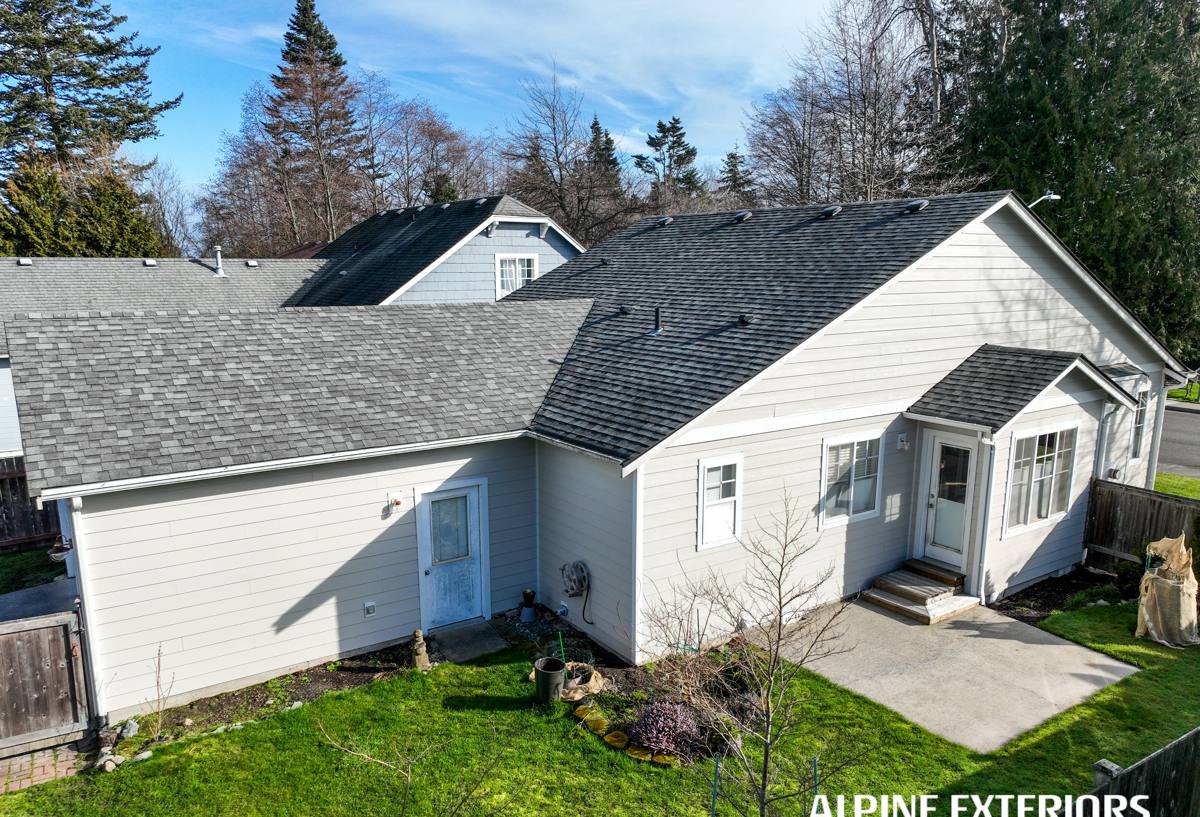
What Tends to Go Wrong With Siding in This Climate
Most siding failures we see in the greater Tampa area aren't dramatic — they're slow. A few patterns show up again and again on homes in and around Westchase:
- Moisture intrusion at seams and butt joints. Wind-driven rain finds any gap in the water-management layer, and repeated wetting/drying cycles are what eventually rot wood-based products or delaminate poorly bonded composites.
- UV breakdown of paint and factory finishes. Florida sun is intense nearly every month of the year. Finishes not engineered for this exposure chalk, fade, and crack years ahead of schedule.
- Swelling and buckling from humidity cycling. Materials that absorb moisture expand and contract, which telegraphs through as waviness, popped fasteners, or gapping panels.
- Corrosion and pitting from salt air. Even homes several miles from open water get measurable salt deposition, which accelerates wear on unprotected fasteners, trim, and finishes.
- Wind damage during storm season. Panels or trim that aren't fastened to spec are the first things to fail when gusts pick up — and once one section lets go, water intrusion behind the wall follows fast.
None of this is unique to Westchase specifically — it's the reality for most of Hillsborough County and the broader Tampa Bay region. But it's exactly why the siding decision for a home here deserves more thought than picking whatever's cheapest at a big box store.
Why We Install James Hardie Fiber Cement Exclusively
We made a deliberate decision as a company to install only James Hardie fiber cement siding. We don't install vinyl, LP SmartSide, Cemplank, Allura, or primed wood species like spruce or cedar. That's not a marketing angle — it's a standard we hold ourselves to because of what we've seen those materials do, and not do, in Florida's climate over time.
The short version of why
- Fiber cement is non-combustible. That matters for insurance considerations and general fire safety in a way engineered wood products can't match.
- It doesn't feed on moisture the way wood-based sidings can. Cement, sand, and cellulose fiber don't rot the way wood fiber composites can when water gets behind them.
- ColorPlus factory-applied finishes are baked and cured under controlled conditions specifically to resist UV fading and chalking — a real advantage in a market that gets this much sun exposure.
- James Hardie makes climate-specific product lines (the "HZ" designations) engineered for humid, high-moisture regions like ours, rather than a one-size-fits-all product sold nationally.
- The warranty structure is transferable to a subsequent homeowner, which matters for resale in a market where buyers increasingly ask pointed questions about siding age and type.
We're not going to tell you every alternative product is worthless — most have legitimate uses and reasonable track records in the right climate. What we will say is that after years of installation and repair work across the Tampa Bay area, we stopped installing the alternatives on our own jobs because we didn't want our name on siding we weren't confident would hold up through a decade of Gulf Coast weather. James Hardie is what we're willing to warranty our labor against.
How the Westchase Siding Process Works
1. On-site assessment
We start with a walk-around of the home, checking existing siding condition, trim, soffit and fascia, window and door flashing, and any visible signs of moisture intrusion. If there's rot or water damage behind existing siding, we flag it before quoting — that's not an upsell, it's information you need regardless of who does the work.
2. Product and color selection
James Hardie offers several siding profiles — lap siding in varying reveals, shingle-style panels, vertical board-and-batten, and trim components — plus a ColorPlus palette designed to hold color under sustained UV exposure. We'll walk through what fits the home's style and what's realistic for the budget.
3. Tear-off and substrate check
Old siding comes off, and we inspect the sheathing underneath. Any soft or water-damaged sheathing gets addressed before new siding goes on — installing new siding over compromised substrate just hides a problem instead of fixing it.
4. Weather-resistive barrier and flashing
Correct water management behind the siding is arguably more important than the siding itself. Proper house wrap, flashing at windows, doors, and penetrations, and correct overlap sequencing are what actually keep wind-driven rain out of the wall assembly.
5. Installation to manufacturer spec
James Hardie publishes specific fastener patterns, clearances, and gapping requirements for Florida's High Wind Zone areas. Installing to spec — not just "close enough" — is what determines whether the siding performs in a severe storm and whether the manufacturer warranty stays valid.
6. Final walkthrough
We review the finished work with the homeowner, cover basic care, and answer questions about the warranty coverage on both the product and our installation labor.
Why a Local Crew Matters for This Kind of Work
Siding installation is one of those trades where the difference between "installed" and "installed correctly" doesn't show up on day one — it shows up three years later during the first serious tropical storm, or five years later when a homeowner notices water staining on an interior wall. A crew that works throughout the Tampa Bay area regularly, rather than occasionally, has already seen how houses in this specific climate behave over time: which details of flashing and fastening actually matter here, which HOA aesthetic standards are common in planned communities like Westchase, and what Hillsborough County permitting and inspection expects for exterior work.
We're also positioned to respond quickly if something needs a follow-up visit — a warranty question, a minor repair after a storm, or a request to match new work to existing siding on an addition. That responsiveness is harder to get from a company that treats this area as a one-time job site.
Beyond Siding: The Rest of the Exterior Envelope
Siding doesn't work in isolation — it's one piece of a home's exterior weatherproofing system. We also handle roofing, windows, and decks, which matters because these systems interact directly:
- Roofing: Roof-to-wall flashing details affect how water sheds around the top course of siding. A roof replacement is often the right time to also address aging siding, since scaffolding and access are already in place.
- Windows: Window flashing integration is one of the most common failure points for water intrusion behind siding. Replacing siding without addressing failing window flashing just relocates the leak.
- Decks: Ledger board attachment where a deck meets the house requires the same careful water-management thinking as siding penetrations — done wrong, it's a guaranteed rot point.
Homeowners planning a larger exterior renovation in Westchase often find it makes sense to sequence two or more of these projects together rather than tackling them separately over several years.
Comparing Siding Options Homeowners Consider
| Material | Moisture Behavior in Humid Climates | UV/Color Retention | Fire Rating | Typical Warranty Transferability |
|---|---|---|---|---|
| James Hardie Fiber Cement (HZ5) | Does not rot; engineered for humid regions | ColorPlus factory finish resists fading | Non-combustible | Transferable |
| Vinyl Siding | Doesn't absorb water but can warp/melt under heat, gaps at seams | Fades and becomes brittle over time in intense sun | Combustible | Varies by manufacturer |
| LP SmartSide / Engineered Wood | Wood-based; vulnerable to prolonged moisture exposure if seams fail | Requires field-applied or factory paint upkeep | Combustible | Varies, often non-transferable |
| Primed Wood (spruce/cedar) | Most susceptible to rot without diligent maintenance | Requires frequent repainting/staining | Combustible | Typically none |
This is a general comparison meant to illustrate why material choice matters in a climate like ours — actual performance always depends heavily on installation quality, not just the product itself.
What Drives Cost on a Westchase Siding Project
Every home is different, so we don't quote off square footage alone. Factors that typically move the price include:
- Total square footage of siding and number of stories
- Home's architectural complexity — corners, dormers, gables, and trim detail
- Condition of the existing sheathing and whether repair is needed before new siding goes on
- Siding profile chosen (lap, shingle-style, board-and-batten) and ColorPlus color selection
- Whether trim, soffit, and fascia are being replaced alongside the siding
- Access — landscaping, fencing, or a second story that affects staging and safety equipment
We give a specific, written estimate after seeing the home in person — broad online estimators can't account for the condition issues that usually matter most.
A Simple Pre-Estimate Checklist for Homeowners
- Note any areas of visible siding damage, staining, or soft spots you've noticed from outside
- Check for any interior staining on walls or ceilings near exterior walls, which can indicate a leak point
- Think about whether you're also considering roofing, window, or deck work in the near term
- Check your HOA or community design guidelines if you're in a community like Westchase with architectural review requirements
- Have your home's approximate age and any known history of past siding repairs on hand
Ready When You Are
If you're weighing a siding replacement or repair in Westchase, we're happy to come take a look, walk the property with you, and give you a straightforward, no-pressure estimate — no invented urgency, no pushy sales tactics. Use the form below to get started.