 Tampa Siding
 Why Brandon Homes Need Siding Built for Tampa's Climate
Brandon sits inland from Tampa Bay in Hillsborough County, but "inland" doesn't mean sheltered. Homes here still take the full brunt of Gulf humidity, summer thunderstorm season, and the occasional hurricane track that pushes wind and rain straight through the interior of the county. Siding on a Brandon home isn't just a cosmetic layer — it's the first line of defense between the wood framing underneath and a climate that works against it twelve months a year.
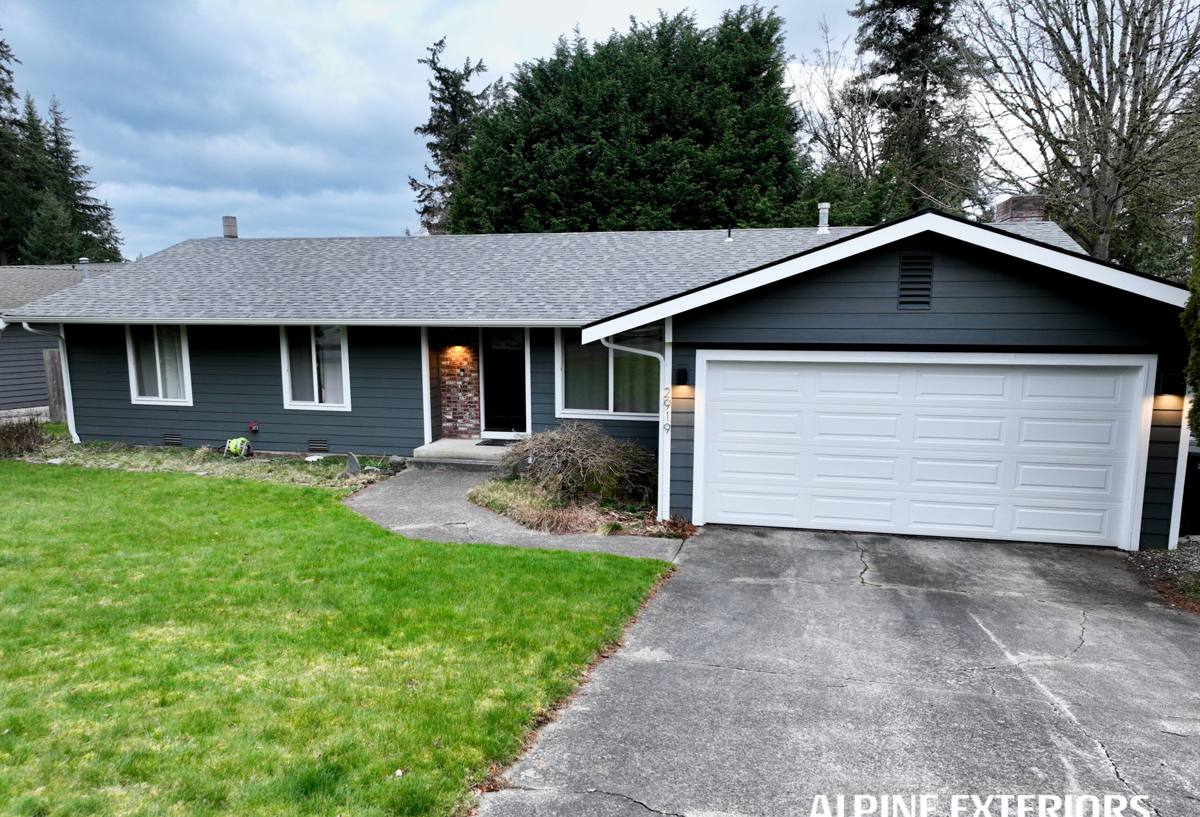
We install siding for homes throughout the Tampa area, and Brandon comes with its own mix of housing stock: a lot of homes built from the 1980s through the 2000s, many with original vinyl or aging wood siding that's now past its realistic service life. When that siding starts to fail, it usually fails quietly — behind the panels, not on the surface — which is exactly why installation quality matters as much as the material itself.
What Hurricane-Force Wind, UV, and Salt Air Actually Do to Siding
Every siding material sold in Florida claims to handle "coastal conditions." Few actually hold up to what Hillsborough County delivers year after year. Four forces do most of the damage:
- Hurricane-force and tropical-storm wind: repeated gusts flex panels, work fasteners loose, and turn any gap or weak seam into an entry point for wind-driven rain.
- Intense, near-constant UV exposure: Tampa's sun degrades cheap paint finishes and plastic-based products faster than almost anywhere else in the country, leading to fading, chalking, and brittleness.
- Wind-driven rain: Florida storms rarely fall straight down. Rain gets pushed sideways into laps, seams, and trim joints that weren't detailed to shed water under pressure.
- Salt air: even well inland, Tampa Bay's proximity means airborne salt reaches Brandon on a regular basis, accelerating corrosion of fasteners and metal trim that isn't rated for it.
None of these forces act alone. A panel that survives UV fine but was installed with the wrong fastener will still fail from corrosion. A material that resists moisture but can't take wind flex will still crack at the corners. Correct material selection and correct installation have to work together, or the siding underperforms no matter what the spec sheet promises.
Why We Install Only James Hardie Fiber Cement in Brandon
We don't install vinyl, LP SmartSide, or other engineered wood siding products — not because those products have no legitimate use anywhere, but because we've made a professional decision about what belongs on a Tampa-area home given what this climate does over a 20- to 30-year ownership window. Vinyl softens, warps, and fades under sustained UV and heat, and it doesn't have the wind rating or impact resistance that Hillsborough County's storm exposure calls for. Engineered wood products are moisture-sensitive at the core — a serious liability in a climate defined by humidity and wind-driven rain.
James Hardie fiber cement is non-combustible, doesn't rely on a wood or plastic core that can swell, rot, or soften, and comes in HZ product lines specifically engineered for high-humidity, high-moisture regions like ours. The ColorPlus factory finish is baked on under controlled conditions rather than field-applied, which matters enormously under Florida sun — factory finishes hold color and resist fading far longer than site-painted siding. It's the one product line we've found consistently earns its keep on a Brandon roofline, and it's backed by a real transferable warranty rather than a prorated one.
What a Correct Siding Installation Involves
The material is only half the equation. Fiber cement siding installed wrong will still leak, crack, or fail early — and a lot of the installation mistakes we see on older Brandon homes trace back to shortcuts that don't show up until years later.
Water Management Comes First
Before a single panel goes up, the wall needs a correctly lapped weather-resistant barrier, properly flashed windows and doors, and rain screen or drainage plane detailing where the assembly calls for it. Siding is not the primary waterproofing layer — it's a shield in front of one. Skip the water management layer and no siding material, however good, will keep the wall dry.
Fastening and Clearances
James Hardie specifies exact fastener types, spacing, and penetration depth, along with minimum clearances from roof lines, decks, and grade. In a wind zone like ours, under- or over-driven fasteners are one of the most common causes of early panel failure — either the panel works loose in high wind, or it's fastened too tight and can't expand and contract normally.
Joints, Seams, and Caulking
Butt joints, corners, and trim intersections are where wind-driven rain finds its way in. Correct installation means proper joint flashing or manufacturer-approved sealant at every seam — not caulk used as a substitute for flashing, which is a common and costly shortcut.
| Installation Element | Done Correctly | Common Shortcut |
|---|---|---|
| Weather barrier | Continuous, properly lapped, integrated with flashing | Gaps at penetrations, reused old barrier |
| Fasteners | Manufacturer-spec type, spacing, and depth | Standard framing nails, inconsistent spacing |
| Joints/seams | Flashed and back-primed per Hardie spec | Caulk-only seams, no back-priming |
| Clearances | Meets minimum distance from grade/roof/decks | Panels run tight to grade or roofline |
Choosing the Right James Hardie Product Line for This Climate
James Hardie makes climate-specific formulations, and picking the right one for Brandon's humidity and moisture exposure is part of doing the job right rather than just picking whatever's in stock.
| Product Line | Engineered For | Why It Fits Brandon |
|---|---|---|
| HZ5 formulation | Hot, humid, high-moisture regions | Matches Tampa's humidity and rain exposure specifically |
| ColorPlus finish | Long-term UV and fade resistance | Holds color under sustained Florida sun better than field paint |
| Panel/plank profiles | Wind and impact performance | Rated for the wind exposure category Hillsborough County requires |
We'll walk through which profile, plank width, and finish makes sense for a specific Brandon home during the estimate — the right choice depends on the home's exposure, existing trim, and the look the homeowner wants, not a one-size answer.
Our Installation Process for Brandon Homes
- On-site assessment: we inspect the existing siding, sheathing, and any signs of moisture intrusion before quoting anything.
- Tear-off and substrate check: old siding comes off and we inspect the sheathing underneath for rot or damage before it's covered again.
- Water management install: weather-resistant barrier and flashing go in first, integrated correctly around every window, door, and penetration.
- James Hardie panel installation: installed to manufacturer spec — fastener type, spacing, clearances, and joint treatment, all matched to Hillsborough County's wind requirements.
- Trim and detail work: corners, fascia, and transitions finished so water sheds away from every seam.
- Final walkthrough: we go over the finished job with the homeowner before calling it done.
Signs Your Siding Needs Replacing
Homeowners in Brandon often live with failing siding longer than they realize, because the damage tends to hide behind the panels rather than announce itself on the surface. Watch for:
- Soft or spongy spots when you press on the siding
- Visible warping, bowing, or panels pulling away from the wall
- Persistent staining or streaking that won't clean off
- Rising cooling bills with no other explanation
- Peeling or bubbling paint on interior walls near exterior corners
- Visible fastener corrosion or rust streaks below nail heads
Any one of these on its own isn't necessarily an emergency, but a home showing two or more is usually past the point where patching makes sense.
What to Look for in a Brandon Siding Contractor
A crew that already works Brandon regularly knows what Hillsborough County's permitting and inspection process expects, understands the wind exposure ratings that apply here, and has already seen how the local building stock tends to fail. That local track record matters more than it sounds like it should — it's the difference between a crew guessing at code requirements and one that already knows them.
- Ask whether they're a James Hardie-focused installer or a generalist who installs whatever's cheapest that week
- Confirm they pull permits and schedule inspections rather than working around them
- Ask how they handle water management detailing, not just the visible panel work
- Check that fastener and clearance specs are part of their standard process, not an upsell
- Get a written scope that specifies the exact product line, profile, and finish
Cost Factors for Siding Installation in Brandon
| Factor | How It Affects Cost |
|---|---|
| Home size and wall complexity | More corners, gables, and dormers add labor time |
| Substrate condition | Rotted sheathing found during tear-off adds repair cost |
| Product line and profile | Plank width, texture, and finish options vary in price |
| Trim and accessory work | Fascia, soffit, and corner detailing add scope |
| Access and site conditions | Multi-story sections or tight lot lines add labor |
We won't quote a number without seeing the home — anyone who does is guessing. What we can promise is a written estimate that breaks down material, labor, and scope so there's no ambiguity about what's included.
If your Brandon home's siding is showing its age, or you're planning ahead of the next storm season, we're glad to come take a look. The estimate is free, there's no pressure to sign anything on the spot, and you'll walk away with a clear picture of what your home actually needs.