 Tampa Siding
 Windows That Have to Work Harder in Seminole Heights
Seminole Heights is one of Tampa's older, established neighborhoods, and that shows in the housing stock: bungalows, Craftsman-style homes, and mid-century ranches sitting on lots with mature oak canopy, many still carrying their original or first-generation replacement windows. Those windows were built for a different era of building codes and a different climate reality. Today, any window going into a Hillsborough County home has to hold up against hurricane-force wind events, sustained subtropical humidity, intense UV exposure nearly year-round, and wind-driven rain that finds every weak seal. Windows here don't just need to look right for the house — they need to perform.
"Custom" in this context doesn't mean ornate or oversized. It means windows sized, engineered, and installed to match the actual openings and structural realities of an older Seminole Heights home, rather than forcing a stock size into a wall that was framed decades before modern window standards existed. That distinction matters more here than in newer subdivisions, where every opening is factory-standard.
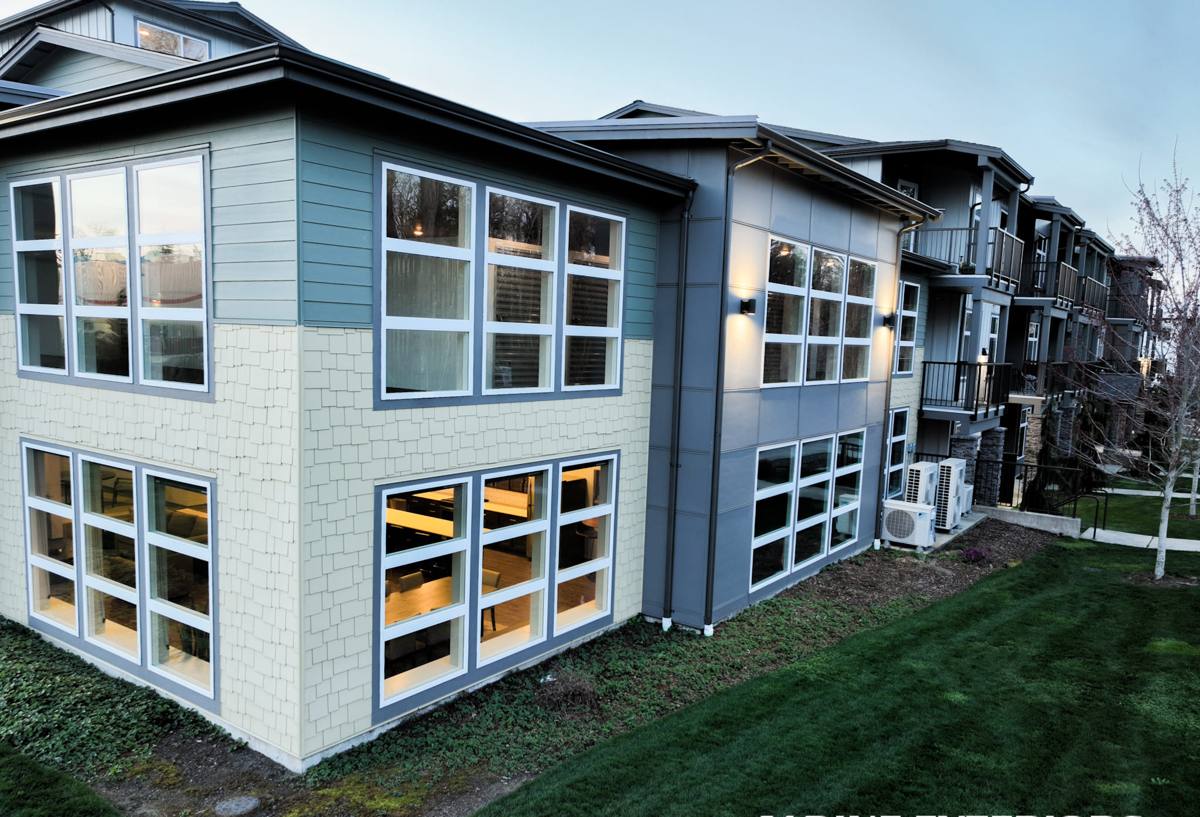
What Seminole Heights Homes Actually Need
Working With Older Framing
Many homes in this neighborhood have settled over the decades, and original openings are rarely perfectly square anymore. A generic replacement window sized off a big-box chart often leaves gaps that get packed with expanding foam and trim and called "done." That approach fails quietly — air and moisture find their way in around the edges, and you don't notice until there's a musty smell in the wall cavity or a spike in the cooling bill. Custom sizing means we measure each opening individually and either order a true custom unit or, where appropriate, correct the rough opening properly before the new window goes in.
Matching the Architecture
Craftsman and bungalow-style homes generally look better — and hold resale value better — with window profiles that respect the original proportions: divided-lite patterns, appropriate sightlines, and trim details that don't look like a vinyl afterthought. We treat window replacement here as a chance to preserve character, not erase it.
Meeting Florida Building Code for Wind and Impact
Hillsborough County enforces Florida Building Code wind-load requirements, and depending on the home's exact location and exposure category, that can mean impact-rated glass or a code-compliant protection system. This isn't optional paperwork — it's the difference between a window that stays in its frame during a tropical storm and one that doesn't. We pull permits and size glass and framing to the wind loads that actually apply to the property, not a generic statewide minimum.
The Climate Factors We Design Around
| Climate Factor | What It Does to Windows | What We Do About It |
|---|---|---|
| Hurricane-force wind | Flexes frames, stresses glass, can pull poorly anchored units from the opening | Code-rated impact glass or protection systems, correct anchoring into sound framing |
| Year-round UV | Breaks down vinyl, fades interior finishes, degrades seals over time | UV-stable frame materials and Low-E coated glass rated for high-sun climates |
| Wind-driven rain | Pushes water sideways into gaps that gravity-only flashing misses | Proper sill pan flashing and sealant details, not caulk alone |
| Salt air (bay proximity) | Corrodes hardware, pits poor-grade metal components over years | Corrosion-resistant hardware and fasteners rated for coastal exposure |
| High humidity | Encourages condensation and wood rot around older wood-frame openings | Sealed, insulated glass units and moisture-managed framing at the opening |
What a Correct Window Job Actually Involves
Beyond "Remove and Replace"
A lot of window jobs are sold as a swap: old window out, new window in, trim reattached. That skips the part that actually determines whether the window performs for the next fifteen-plus years — the opening itself.
- Remove the existing window and inspect the framing and sill for rot, moisture damage, or pest damage before anything new goes in
- Correct any framing issues found — installing a new window into a compromised opening just locks the problem inside the wall
- Install sill pan flashing so any water that does get past the window sheds outward instead of into the wall cavity
- Set the window plumb, level, and square, shimmed correctly, not just wedged tight
- Seal and insulate the gap around the frame with the right materials — not just a bead of caulk on the exterior
- Fasten through the frame into structural framing per manufacturer and code requirements, not just through the trim
- Finish exterior trim and flashing so water is directed away from the opening, not pooled at it
Skip any one of these steps and the window itself can be a good product and still fail early — most window callbacks we see trace back to installation shortcuts, not the window unit.
Choosing the Right Frame and Glass
We don't push one brand or material as the answer for every house. The right choice depends on the home's age, exposure, and how the homeowner plans to live in it.
| Frame Material | Upside in This Climate | Trade-off |
|---|---|---|
| Vinyl | Won't rot, low maintenance, good value, handles humidity well | Can expand/contract with extreme heat if not a quality UV-stable formulation |
| Aluminum | Strong, slim sightlines, common on mid-century homes | Conducts heat/cold more than other frames; needs a good thermal break |
| Fiberglass/composite | Very stable in heat and humidity, low expansion | Higher upfront cost than vinyl |
| Wood-clad | Matches original Craftsman character closely | Higher maintenance burden in humid, coastal-influenced air unless well-clad and sealed |
For most Seminole Heights homes we're weighing appearance against long-term maintenance. A wood-clad window can look right on a bungalow, but if it's not properly clad and sealed, Tampa humidity and rain will find the seams over time. We'll walk through the honest trade-offs for your specific house rather than defaulting to whatever's easiest to sell.
Our Process for a Seminole Heights Window Job
- On-site assessment: We measure every opening individually, check framing condition, and note the home's specific exposure (tree cover, proximity to open areas, sun orientation).
- Product and glass selection: Based on the assessment and your priorities — energy efficiency, storm protection, matching the home's architecture, budget — we recommend specific frame and glass options rather than a one-size answer.
- Permitting: We pull the required Hillsborough County permit and make sure the specified glass and anchoring meet the wind-load requirements for your property.
- Installation: Old windows out, opening inspected and corrected as needed, new windows set with proper flashing, sealing, and fastening.
- Final inspection and walkthrough: We confirm the install passes inspection and walk you through operation and any warranty paperwork.
Why Local Experience in This Neighborhood Matters
A crew that's worked openings in Seminole Heights before has already seen how these homes were framed, what's typically hiding behind original trim, and how the county's permitting process actually runs — not just what the code book says. That translates into fewer surprises mid-job and a more accurate estimate up front, instead of change orders once the wall is opened up. It also means we know what protection level actually makes sense here versus what's oversold as a blanket requirement for all of Tampa.
We're not a national franchise dispatching whichever crew is free that week. We work Hillsborough County, we know this housing stock, and we stand behind the installation as much as the window itself — because in this climate, the installation is usually what determines whether the window lasts.
Signs Your Windows Need Attention
- Visible daylight or drafts around the frame when the window is closed
- Difficulty opening, closing, or locking — often a sign the frame has shifted or the balance mechanism has failed
- Condensation forming between panes of double-pane glass (a failed seal, not fixable with cleaning)
- Soft or discolored wood trim around the window, a sign moisture is getting into the framing
- A noticeable jump in cooling costs during peak summer months with no other explanation
- Fading of nearby flooring or furniture from excessive UV transmission through old glass
Any one of these on its own isn't necessarily an emergency, but a few together usually mean it's worth having someone look at the openings before the next storm season rather than after.
Cost Factors Worth Understanding
Every home and job is different, so we won't quote a number without seeing the property, but the main variables that move price on a Seminole Heights window job are consistent:
- Number and size of openings being replaced
- Glass package — standard Low-E versus impact-rated glass
- Frame material chosen (vinyl, aluminum, fiberglass, wood-clad)
- Condition of the existing framing — whether repair work is needed before installation
- Whether trim, siding, or stucco needs to be modified or matched around the new opening
- Permit and inspection requirements tied to the property's specific wind-load zone
If you're weighing whether to replace all your windows at once or phase it over a couple of years, we can talk through what makes sense for your budget and your home's most exposed sides first.
If your Seminole Heights home's windows are original, drafty, or just due for an honest look, we're happy to come take a look and give you a straightforward, no-pressure estimate — use the form below to get started.