 Tampa Siding
 Why Wesley Chapel Decks Need to Be Built for This Climate
Wesley Chapel sits just north of Tampa, near the Pasco County line, and it gets the same weather the rest of the Tampa Bay area deals with: long, intense sun for most of the year, heavy afternoon thunderstorms all summer, high humidity that never really lets up, and the occasional tropical system or hurricane-force wind event. A deck built to a generic national spec will survive a mild climate. A deck built for this one has to survive UV breakdown, wind-driven rain finding its way into every gap, and wood-hungry insects that thrive in the heat and moisture. That's the difference between a deck that looks good for two summers and one that's still solid in fifteen.
Sun and UV
Central Florida gets some of the most direct, sustained sun exposure in the country. Over time, UV breaks down wood fibers, fades and chalks composite surfaces, and dries out sealants and finishes faster than manufacturers' national warranty language usually accounts for. Decking that faces west or sits with no shade at all will show wear years before a shaded, north-facing deck does.
Humidity and Rain
Wesley Chapel's rainy season brings frequent, heavy downpours, often with little warning. Wood that can't shed water fast enough stays damp between rain events, which is exactly the condition rot, mold, and wood-boring insects need. Proper board spacing, ventilation underneath the deck, and drainage away from footings matter more here than in a drier climate.
Wind and Storm Exposure
Wind load isn't a theoretical concern in this part of Florida. Hurricane-force winds, whether from a direct hit or a storm passing well offshore, put real lateral and uplift force on a deck structure. Railings and any elevated sections need connections engineered for uplift, not just lateral sway; a deck that looks sturdy on a calm day can still fail at a rail post or stair stringer that was never built to handle what a named storm puts on it. Ledger board attachment, post connections, and railing anchoring all need to be built to hold, not just to pass a casual look.
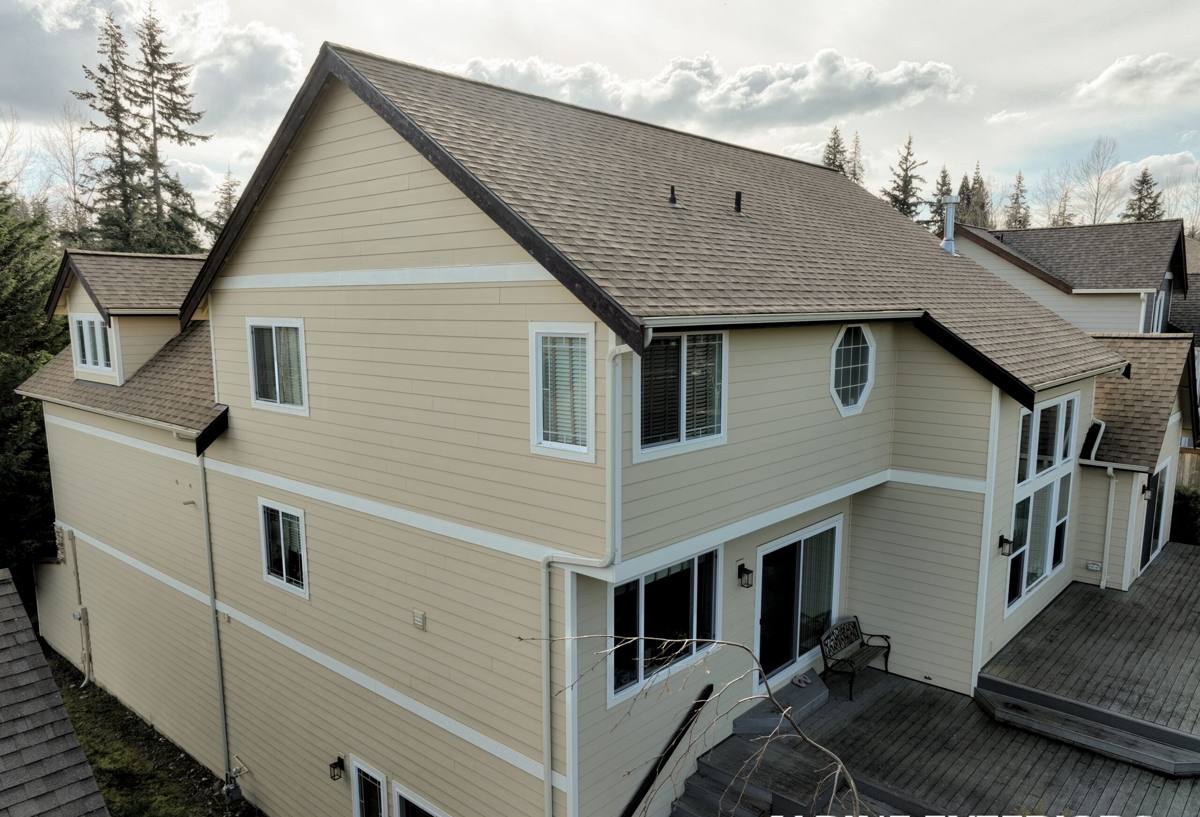
Choosing a Decking Material That Holds Up Here
There's no single "best" decking material for every homeowner, but there is a best material for a given budget, maintenance appetite, and how the deck will be used. Here's how the common options actually perform in this climate:
Pressure-Treated Wood
Pressure-treated pine is the least expensive option upfront and it's a proven material when it's installed and maintained correctly. In this climate, that means proper fastener choice, adequate ventilation underneath, and a realistic maintenance schedule of cleaning and resealing. Skip the resealing and Florida sun and rain will gray, cup, and crack the boards well ahead of schedule.
Composite Decking
Composite boards cost more upfront but don't need staining or sealing, and they resist rot and insect damage by design. The trade-off in this climate is heat: darker composite colors can get genuinely hot underfoot in direct summer sun, and early-generation composite products had issues with moisture absorption at cut edges if they weren't capped and installed correctly. Modern capped composite handles Florida humidity well when it's installed with the manufacturer's specified gapping and fastening.
PVC and Aluminum
Cellular PVC decking doesn't absorb moisture at all, which makes it a strong choice for a humid, rain-heavy climate, though it's typically the highest upfront cost of the common options. Aluminum decking is less common residentially but holds up extremely well to moisture and salt-influenced air, and it stays cooler underfoot than dark composite.
| Material | Upfront Cost | Maintenance | How It Handles This Climate |
|---|---|---|---|
| Pressure-treated wood | Lowest | Annual cleaning and resealing | Good if maintained; prone to cupping and rot if neglected |
| Composite (capped) | Moderate to higher | Occasional washing | Resists rot and insects; darker colors run hot in direct sun |
| PVC | Highest | Minimal | Doesn't absorb moisture; excellent for humid, rain-heavy conditions |
| Aluminum | Higher | Minimal | Very durable in moisture and salt air; stays cooler underfoot |
What's Underneath Matters More Than What's on Top
Homeowners naturally focus on the decking surface, but the substructure and hardware are what actually determine whether a deck survives a Florida storm season after storm season. This is where we see the most corner-cutting on decks we're asked to repair or rebuild.
Fasteners and Hardware
Standard fasteners corrode fast in Florida's humidity and any salt-influenced air moving inland from the Gulf. We use fasteners and structural connectors rated for the chemicals in modern pressure-treated lumber and for coastal-grade corrosion resistance, not the cheapest hardware that happens to fit.
Ledger Board Attachment
The ledger board, where the deck attaches to the house, is the single most common failure point on decks nationally, and improper flashing at that connection is an open invitation for water intrusion into the house itself. This connection gets properly flashed and bolted, not just nailed to the siding or band board.
Footings and Soil
Wesley Chapel's soil and the region's high water table mean footings need to be sized and set to the correct depth for the load and the local soil conditions, not just poured to whatever depth is convenient. We check this on-site rather than assuming a one-size answer.
Permits, Codes, and Inspections
Deck construction in this area falls under the Florida Building Code, which sets wind load and structural requirements that are stricter than a lot of homeowners expect. Most decks require a building permit and inspection, and if the property is in an HOA community, which much of Wesley Chapel is, there may be design or setback requirements on top of the county permit. Skipping the permit might save time up front, but it creates real problems later: unpermitted work can complicate a home sale, cause issues with insurance claims after storm damage, and in some cases has to be torn out and rebuilt to be brought into compliance. Permit review timelines vary depending on how busy the local building department is and whether plans need revisions, so we build realistic timeline expectations into the schedule instead of promising a fixed number of days regardless of season. We handle the permitting and inspection process as a standard part of the job, not an optional extra.
Attached, Freestanding, and Pool-Adjacent Decks
Wesley Chapel has a lot of newer construction with pools and screened lanais, and deck projects here often interact with one or both. An attached deck ties into the house structure and needs that ledger connection done right. A freestanding deck, built on its own posts and footings, avoids tying into the house at all, which is sometimes the better call when siding condition, house framing, or an existing lanai structure makes a ledger connection impractical. Decks built near or adjacent to a pool also need to account for code-required barriers and clearances, and for the fact that pool chemicals and constant moisture nearby add another layer of exposure the materials and hardware need to handle. Some homeowners choose to screen in a new deck once it's built, turning it into a bug-free extension of the outdoor living space; that's a separate scope from the deck structure itself, but it's worth discussing during design since it can affect footing placement and how the roofline ties in.
Our Deck Building Process
The process is the same whether it's a first deck or a full rebuild, and it doesn't change based on how busy the season is:
- On-site assessment. We look at the house structure, soil, drainage, sun exposure, and how the space will actually be used before recommending anything.
- Design and material selection. We walk through the honest trade-offs between wood, composite, and PVC for the budget and maintenance level that fits the homeowner, not a one-size push toward whatever has the best margin.
- Permitting. We prepare and submit the permit package and handle the inspection scheduling.
- Construction. Footings, framing, ledger attachment, decking, and railing, built to the wind and moisture standards this climate actually requires.
- Final walkthrough and inspection sign-off. The deck passes final inspection and we walk the homeowner through basic care before we consider the job done.
Keeping a Florida Deck in Good Shape
A well-built deck in this climate still needs some ongoing attention. A simple seasonal routine catches small problems before they become expensive ones:
- Rinse off pollen, mold, and algae buildup a few times a year, especially on shaded boards that stay damp longer
- Check fastener heads and structural connectors for rust or corrosion, particularly after storm season
- Look underneath the deck for soft, discolored, or insect-damaged wood, especially near the ledger board and post bases
- Reseal or restain pressure-treated wood on the schedule the product actually needs in this sun exposure, not just when it looks faded
- Keep gutters and downspouts directing water away from the deck's footings rather than pooling around them
- Trim back vegetation that blocks airflow underneath or against the deck structure
Why Hire a Crew That Already Works in Wesley Chapel
A deck built by someone unfamiliar with this specific area is still guessing at a lot of decisions that a local crew already has answers to: which fasteners actually hold up against Hillsborough and Pasco County's humidity and storm exposure, what the local permitting office expects in a submission, how the area's soil behaves under a footing, and what an HOA in this part of Tampa is likely to require before approving a design. It also means somebody is still local if a warranty question comes up a few years down the road, rather than a company that did one job in the area and moved on. That local experience shows up in fewer surprises during the build and a deck that's built for the conditions it will actually face, not conditions somewhere else in the country.
If you're thinking about a new deck or need an existing one evaluated, we're happy to take a look and give you a straightforward, no-pressure estimate. Fill out the form below and we'll get in touch to schedule a time.