 Tampa Siding
 Why Davis Islands Decks Wear Out Faster
Davis Islands sits on filled land in Tampa Bay, which means most homes here are waterfront or close to it. That's a great location, but it's a hard one for an exterior deck. Salt-laden air moves off the bay constantly, and it doesn't take a storm to do damage — it's a slow, steady corrosion process that works on fasteners, connectors, and railings every single day. Add in Tampa's intense year-round UV exposure, sudden wind-driven rain, and the occasional hurricane-force gust, and a deck on Davis Islands is under more stress than the same structure would face ten miles inland.
We see the pattern a lot: a deck that looks fine from a distance but has hidden problems where it counts — ledger board connections, joist hangers, post bases, and any fastener that isn't rated for coastal exposure. Those are the parts that fail first, and they're usually the parts a homeowner can't see without getting underneath the structure.
The Specific Stresses at Work
- Salt air corrosion: standard galvanized fasteners and hardware degrade faster this close to the bay; even stainless can pit over enough years without maintenance.
- UV breakdown: Tampa's sun bleaches and dries out wood fibers, causing surface checking and splintering, and it degrades composite capstock over time as well.
- Wind-driven rain: water gets pushed sideways and up under boards and flashing, not just straight down, which is how hidden rot starts at ledger boards and post connections.
- Hurricane-force wind loads: railings, stair stringers, and structural connections all need to hold under lateral and uplift forces, not just support foot traffic.
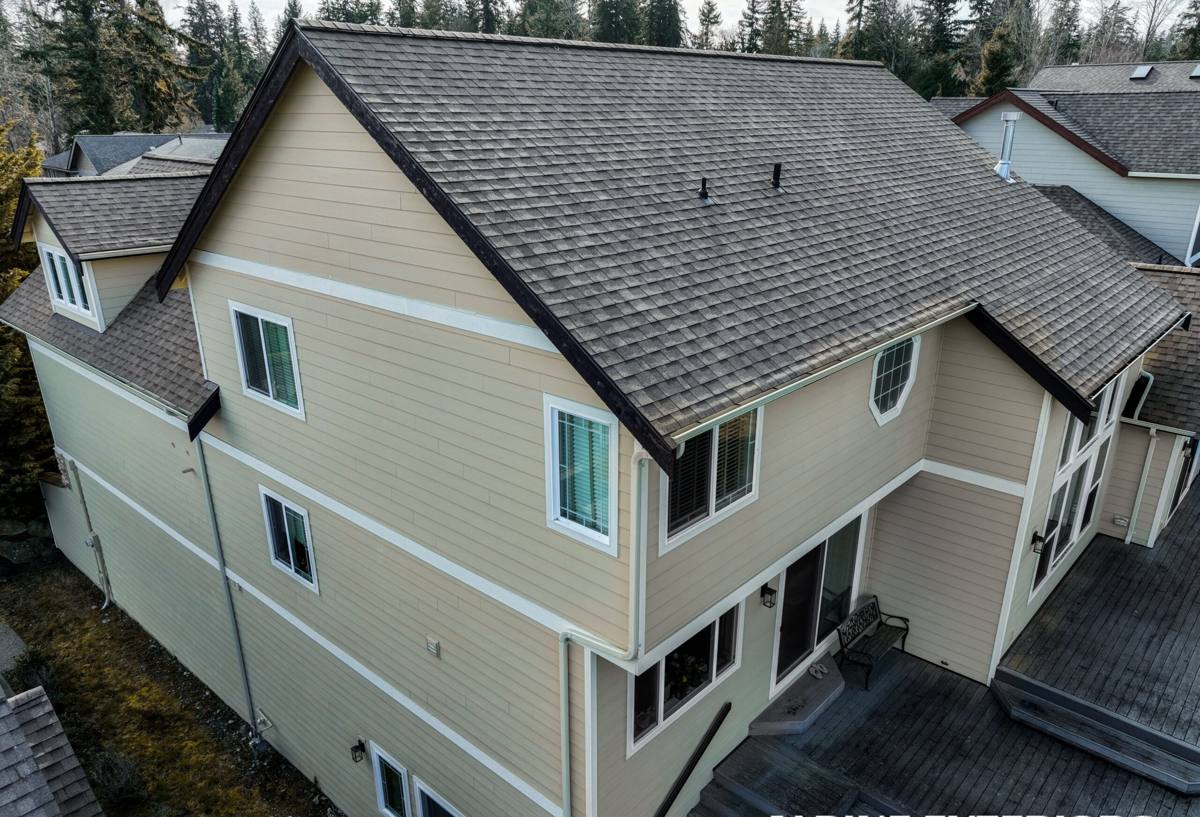
Signs a Deck on Davis Islands Needs Repair
Some warning signs are obvious. Others aren't, and that's usually where the real risk is. Before we quote anything, we look at both.
Visible Signs
- Boards that feel soft, spongy, or bounce underfoot
- Splintering, cupping, or graying wood that's past a simple refinish
- Loose or wobbly railings and stair stringers
- Rust streaking around fasteners or hardware
- Gaps opening up between boards or at the house connection
Hidden Signs (What We Check For)
- Ledger board separation or moisture intrusion where the deck meets the house
- Corroded or undersized joist hangers and structural screws
- Post bases sitting in standing water or without proper elevation
- Rot at end grain and board-to-joist contact points, where moisture sits longest
A deck can look presentable and still be structurally compromised underneath. That's not a scare tactic — it's just how wood and fasteners fail in a salt-air, high-UV environment. The failure point is almost always where two materials meet and moisture can collect.
Repair vs. Replacement
Not every deck problem calls for a full rebuild, and we don't push one when it isn't needed. The honest breakdown:
| Condition | Usually Repair | Usually Replace |
|---|---|---|
| Structural framing (joists, beams, posts) | Sound, no soft spots | Soft, cracked, or rotted at connections |
| Decking boards | Isolated boards damaged | Widespread cupping, splintering, or rot |
| Railings & stairs | Loose but structurally intact | Wobbly with rotted posts or stringers |
| Ledger connection | Flashing failure only | Wood rot behind the ledger |
| Fasteners & hardware | Isolated rust, board still sound | Widespread corrosion, hardware undersized for code |
If the framing is sound, we can often replace surface boards, re-flash the ledger, and swap out corroded hardware without touching the structure underneath. If the framing itself has failed, patching the surface just hides the problem — we'll tell you that directly rather than sell a cosmetic fix on a structural issue.
What a Correct Deck Repair Actually Involves
Structural First, Surface Second
A deck repair that only addresses what's visible from the top is a temporary fix. We start underneath: checking joists, beams, posts, and footings for soundness, and confirming the ledger board connection to the house is properly flashed and fastened. On Davis Islands specifically, we pay close attention to any hardware that's been exposed to salt air for years — it's often the weak link even when the wood itself is fine.
Fasteners and Hardware Matter More Here
Standard interior-grade or basic galvanized fasteners don't hold up long this close to Tampa Bay. Correct coastal-area deck repair means using stainless steel or coated fasteners and connectors rated for corrosive exposure, and matching hardware to the fastener type to avoid galvanic corrosion between dissimilar metals.
Flashing and Water Management
Most deck failures trace back to water getting where it shouldn't — behind ledger boards, into end grain, or pooling at post bases. A proper repair re-establishes flashing and drainage paths, not just replaces the boards that rotted because of the original gap.
Board Replacement Done Right
When decking boards need replacing, spacing, fastening pattern, and board orientation all affect how well the new sections shed wind-driven rain and resist UV cupping. We match this to the existing deck's structure rather than just filling the gap.
Decking Material Considerations for This Climate
What a deck is repaired or resurfaced with matters as much as the workmanship. Here's how the common options hold up under Tampa Bay conditions:
| Material | Salt Air Exposure | UV/Sun | Maintenance |
|---|---|---|---|
| Pressure-treated wood | Fair — needs sealing regularly | Fades, checks over time without upkeep | Annual sealing/staining recommended |
| Tropical hardwoods | Good — naturally dense | Grays without oiling | Periodic oiling to maintain color |
| Composite decking | Good — doesn't rot | Capstock resists fading better than wood | Low — occasional cleaning |
| PVC decking | Very good — no organic material to degrade | Strong UV resistance | Low — occasional cleaning |
We'll walk you through the honest trade-offs for your specific deck — composite and PVC cost more upfront but reduce the maintenance burden significantly in a salt-air environment; wood costs less initially but needs consistent upkeep to get a comparable lifespan here. There's no universally "right" answer, only the right one for your budget and how much upkeep you want to do.
Our Deck Repair Process
- On-site inspection: we get underneath the deck, not just walk the surface, and check framing, connections, and hardware condition.
- Honest scope: we tell you what's structural, what's cosmetic, and what can wait — in writing.
- Permit check: if the repair involves structural framing, footings, or a significant portion of the deck, we handle the Hillsborough County / City of Tampa permitting requirements before work starts.
- Repair or rebuild: sound framing gets repaired and re-fastened with corrosion-resistant hardware; failed framing gets replaced to current code.
- Surface and rail work: decking, railings, and stairs are finished to match or upgrade the existing look.
- Final walkthrough: we check the deck with you before calling the job done.
Permits and Code on Davis Islands
Deck repairs in Tampa and unincorporated Hillsborough County can require a permit depending on scope — particularly anything touching structural framing, footings, railings, or square footage additions. Waterfront and flood-zone considerations also come into play for many Davis Islands properties given the island's location. We handle this as part of the job rather than leaving it for the homeowner to sort out, and we won't skip a required permit to save time — that's a liability you'd be left holding, not us.
What Affects the Cost of a Deck Repair
| Factor | Why It Matters |
|---|---|
| Extent of structural damage | Framing and footing repairs cost more than surface board swaps |
| Decking material chosen | Composite/PVC costs more upfront than wood |
| Fastener and hardware upgrades | Coastal-grade stainless hardware costs more than standard galvanized |
| Permit requirements | Structural work typically requires permitting and inspection |
| Deck size and accessibility | Larger decks and difficult access (over water, tight side yards) add labor time |
Because every deck's condition is different, we give real numbers after inspection rather than a phone-quote estimate — a range given without seeing the framing isn't a number you can actually plan around.
After the Repair: Keeping It That Way
A repaired deck in a salt-air, high-UV climate still needs upkeep. This is the checklist we give homeowners after finishing a job on Davis Islands:
- Rinse salt residue off the deck surface and railings periodically, especially after storms
- Inspect fasteners and hardware annually for early rust or corrosion
- Reseal or restain wood decking on a regular schedule — don't wait until it's visibly gray
- Keep gutters and drainage clear so water isn't dumping onto or under the deck
- Check the ledger board area yearly for any sign of moisture intrusion
- Address loose boards or railings immediately rather than letting them work themselves looser
Why Hire a Crew That Already Works This Neighborhood
Davis Islands isn't a typical inland Tampa lot. Waterfront exposure, salt air, and the wind loads that come with being close to open water on Tampa Bay all change what "correct" deck repair looks like here. A crew that mostly works inland neighborhoods may default to standard hardware and standard assumptions about moisture exposure — on an island community like this, that shows up as premature hardware failure a few years down the line. We build and repair decks across Hillsborough County with this coastal exposure specifically in mind: corrosion-resistant fasteners, proper flashing details, and framing decisions that account for wind and salt, not just what's cheapest to install.
If you've got a deck on Davis Islands that's showing wear, feels unstable, or just needs an honest structural check before your next gathering or storm season, we're happy to take a look. Reach out for a free, no-pressure estimate using the form below.