 Tampa Siding
 Board & Batten in a Climate That Doesn't Let Up
Land O' Lakes sits inland from Tampa Bay, but "inland" doesn't mean sheltered. Homes here still take the full brunt of Hillsborough County's weather cycle: months of intense UV that bakes exterior surfaces, summer storms that drive rain sideways into wall assemblies, and the real possibility of hurricane-force wind gusts during the season. Add the humidity that never fully lets up, and you have a climate that is unusually hard on vertical siding profiles like board and batten, where every seam and reveal is a potential entry point for moisture if the material or the installation is wrong.
Board and batten is popular in Land O' Lakes for good reason — it reads as craftsman, farmhouse, or modern-coastal depending on color and trim choice, and it pairs well with the ranch and two-story layouts common in the area's newer developments and older established neighborhoods alike. But the same vertical lines that make it attractive also make it less forgiving than horizontal lap siding when the underlying product or workmanship is subpar. This page covers what board and batten actually needs to hold up here, what a correct installation looks like, and why we install it only in James Hardie fiber cement.
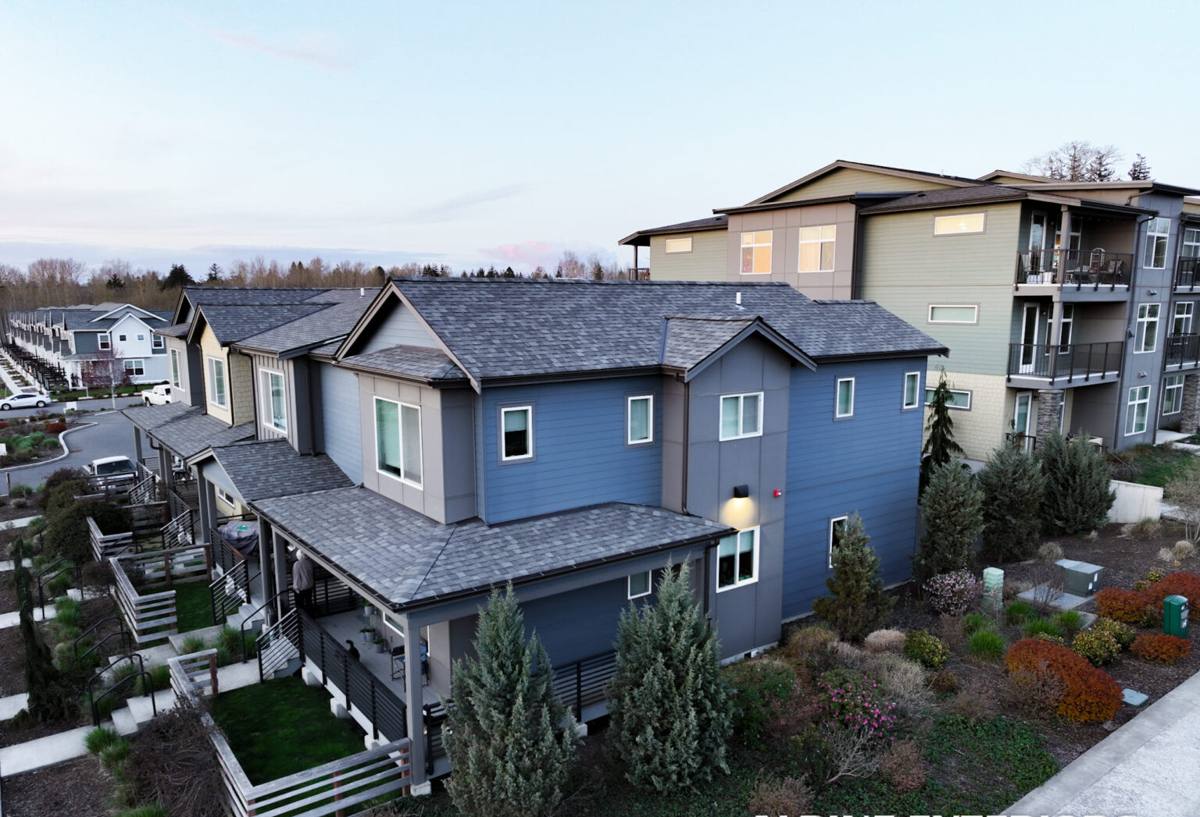
What Land O' Lakes Weather Does to Vertical Siding
UV and Heat Cycling
Board and batten panels and battens face the sun on multiple planes throughout the day, and Central Florida's UV load is among the highest in the continental U.S. Paint-grade wood and lower-grade composites chalk, fade, and can develop surface checking within a few years under this kind of exposure. Factory-applied finishes designed for UV resistance hold their color and integrity far longer than field-applied paint on porous substrates.
Wind-Driven Rain
Vertical siding has more seams per square foot than wide horizontal lap, and every batten-to-board joint is a place water can try to get behind the cladding during a wind-driven storm. The board and batten look only stays maintenance-free if the material behind the paint doesn't swell, cup, or rot when moisture finds its way in — which it eventually will, in any siding system, over enough storm seasons.
Humidity and Moisture Cycling
Even without a named storm, Hillsborough County's day-to-day humidity means siding is almost always absorbing or releasing moisture. Materials that swell and shrink with that cycle open up their joints and finish over time, which is exactly where board and batten's tight vertical reveals become a liability if the wrong product is used.
Hurricane Wind Load
Land O' Lakes is far enough from the coast to avoid direct storm surge, but it is not exempt from hurricane wind bands. Siding attachment — fastener type, spacing, and pattern — matters as much as the material itself when wind is trying to peel panels off a wall.
Why Product Choice Matters More on Board & Batten Than on Lap Siding
We get asked why we're firm about installing only James Hardie fiber cement rather than vinyl board and batten, LP SmartSide, or primed wood battens, all of which are available in this look. Each of those products has legitimate uses elsewhere. On a vertical profile in this climate, the trade-offs stack up differently:
| Material | Where it struggles here | Why it matters for board & batten |
|---|---|---|
| Vinyl board & batten | Heat distortion, UV fading, brittleness in cold snaps | Vertical panels show waviness and gapping more visibly than lap siding |
| Engineered wood (LP SmartSide) | Edge swelling if cut edges aren't sealed and maintained | Battens have more exposed cut edges per square foot than lap boards |
| Primed spruce/cedar battens | Requires repainting on a real schedule, prone to splitting | Bare wood board and batten is the highest-maintenance version of this look |
| James Hardie fiber cement | Heavier, requires correct fastening and HardiePanel/HardieTrim detailing | Non-combustible, dimensionally stable, factory ColorPlus finish holds up on every reveal |
We're not going to tell you those other products are junk — plenty of homes around the country wear them without issue. Our position is narrower and more practical: we've made board and batten a large part of our business, and fiber cement is the only material we've found that holds its shape, its finish, and its seams reliably enough on a vertical profile in Central Florida's UV and storm cycle to stand behind for the long haul.
How We Detail a Board & Batten Job for This Climate
The board and batten look can be built two ways: true board-on-board with individual vertical boards and battens over a base panel, or a panel-and-batten system using large HardiePanel sheets with HardieTrim battens applied over the joints. Both are legitimate approaches; which one fits depends on the home's wall height, existing sheathing condition, and the look you want. What doesn't change is the water management underneath.
- Correct weather-resistive barrier (housewrap) installed and lapped properly before any panel goes up
- Flashing at every horizontal joint, window, door, and roofline intersection — this is where most siding failures actually start, not in the field of the panel
- Rainscreen or furring strategy where wall assembly and code call for it, to let any incidental moisture drain and dry
- Fastener spacing and type per James Hardie's published installation instructions — not generic siding nail patterns
- Batten spacing planned before install, not eyeballed panel by panel, so reveals stay consistent across the whole elevation
- Caulking only where Hardie's fastening and joint details call for it — not as a substitute for proper flashing
That last point matters because it's the shortcut we see most often on board and batten jobs that fail early: relying on caulk to do the job that flashing and correct lapping should be doing. Caulk degrades under UV and movement; flashing detail doesn't.
Our Process for a Land O' Lakes Board & Batten Project
1. On-Site Assessment
We look at the existing wall assembly, not just the surface siding. Sheathing condition, existing moisture damage, window and door flashing, and roofline intersections all factor into the scope before we quote anything.
2. Design and Layout
Batten spacing, reveal width, and panel orientation get planned for the specific elevations of your home — corners, gables, and dormers all need a layout decision made up front so the finished look is intentional, not improvised mid-install.
3. Material and Color Selection
We walk you through James Hardie's HZ10 product line (engineered for high-humidity, high-UV climates like ours) and the ColorPlus finish options, so the color you pick is backed by a factory finish warranty rather than a field-applied paint job that starts aging the day it's sprayed.
4. Installation
Crews trained specifically on Hardie's fastening, flashing, and clearance requirements do the work — including the ground and roofline clearances that keep moisture from wicking into the bottom of the siding, a detail that's easy to skip and expensive to ignore.
5. Final Walkthrough
We go over the finished job with you, including maintenance basics — there isn't much, but the little there is (annual rinse, caulk inspection at penetrations) is worth five minutes a year to protect a decades-long investment.
What This Costs, and What Drives the Number
Board and batten pricing depends on more than square footage. A few factors move the estimate more than homeowners expect:
| Factor | Why it affects cost |
|---|---|
| Existing siding removal | Tear-off and disposal, plus sheathing repair if water damage is found underneath |
| Wall height and gable complexity | Two-story sections and steep gables take longer to layout and fasten correctly |
| Board-on-board vs. panel-and-batten | Individual boards take more labor than a panel system with applied battens |
| Trim and accent detailing | Window surrounds, corner boards, and transitions to other materials add time |
| Color | Standard ColorPlus colors vs. custom color-matching |
We give real numbers after seeing the actual wall conditions — not a square-footage guess pulled from a phone call, because the variables above genuinely change the labor involved.
Why a Crew That Already Works Land O' Lakes Matters
Board and batten rewards a crew that has laid it out on enough Central Florida homes to know where the recurring trouble spots are — roofline transitions, window head flashing, and ground clearance on homes with irrigation systems that keep the base of the wall damp more than homeowners realize. A crew unfamiliar with this climate and this profile can build something that looks right on installation day and starts showing joint failure or panel movement within a couple of storm seasons. Local, repeat experience with this specific siding style in this specific climate is what keeps that from happening.
Get an Estimate
If you're weighing board and batten for a Land O' Lakes home, we're happy to come take a real look at your walls, talk through board-on-board versus panel-and-batten for your specific layout, and give you a straightforward, no-pressure estimate. Use the form below to get started.