 Tampa Siding
 Asphalt Shingle Roofing Built for Lutz's Climate
Lutz sits inland from Tampa Bay but still takes the full brunt of what Central Florida weather delivers: hurricane-force wind gusts during tropical systems, intense UV exposure nearly every day of the year, wind-driven rain that finds every weak seam, and enough salt-laden air drifting in from the Gulf to accelerate corrosion on fasteners and flashing. An asphalt shingle roof that's installed correctly can handle all of that for two to three decades. One that's installed with shortcuts — even ones that look fine from the ground for the first few years — tends to fail exactly when a storm puts it to the test. Our job is to make sure your roof is in the first category, not the second.
This page covers what asphalt shingle roofing actually requires on a home in Lutz specifically: the climate stresses at play, what a correct installation involves, how our process works, and what to watch for as your roof ages.
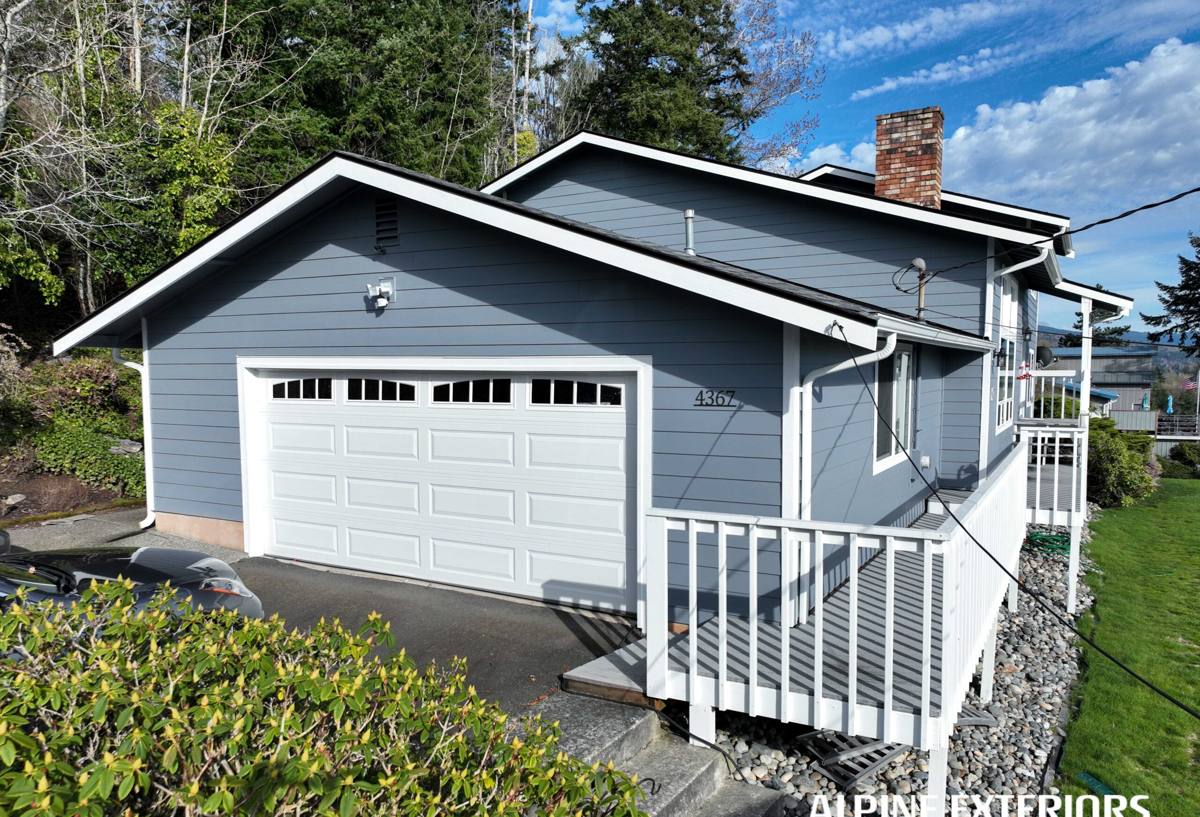
What Hillsborough County's Weather Does to a Shingle Roof
Wind
Sustained tropical-storm and hurricane-force winds put uplift pressure on every shingle tab, especially at eaves, ridges, and rakes where wind grabs an edge first. Shingles rated for lower wind speeds, or shingles that were nailed with the wrong pattern or placement, are the ones that end up in the yard after a storm — not because the shingle itself was defective, but because the installation didn't give it the holding power it was rated for.
UV and heat
Florida sun breaks down asphalt shingle mat and granules faster than in most of the country. Constant heat cycling — hot afternoons, cooler nights, sudden downpours that cool the surface fast — accelerates aging of the asphalt itself and can shorten a roof's usable life if ventilation underneath isn't handled properly.
Wind-driven rain
Rain that comes in sideways during a storm doesn't behave like rain falling straight down. It gets pushed up and under shingle tabs, into nail penetrations, and around flashing details that weren't sealed with that scenario in mind. Most of the "mystery leaks" we get called out for after a storm trace back to a flashing or underlayment detail that was adequate for normal rain but not for wind-driven rain.
Salt air and humidity
Lutz is far enough from the coast that salt exposure is lighter than on the barrier islands, but it's not zero, and combined with Tampa's year-round humidity it still speeds up corrosion on exposed metal — nail heads, flashing, and vent components. Cheaper fasteners and flashing show it first.
Choosing the Right Shingle for a Lutz Roof
Not every asphalt shingle sold at a supply house is built for this climate. Wind rating, algae resistance, and the quality of the sealant strip all matter more here than in milder climates. Below is a general comparison of the shingle tiers we typically discuss with Lutz homeowners.
| Shingle Type | Typical Wind Rating | Best Fit | Trade-Offs |
|---|---|---|---|
| 3-Tab (economy) | Lower end of rated range | Budget-driven projects, rentals | Shorter lifespan in high-UV, high-wind areas; flatter appearance |
| Architectural / Dimensional | Mid-to-high rated range | Most Lutz homes | Higher upfront cost than 3-tab, but better wind performance and appearance |
| Premium / Impact-Rated Architectural | High rated range, often with impact rating | Homes seeking maximum storm resilience or insurance credits | Highest material cost; may qualify for wind mitigation insurance discounts |
Wind rating on the shingle's packaging only means something if the installation matches the manufacturer's high-wind nailing and sealing requirements — a properly rated shingle installed with a standard nailing pattern doesn't get the rating's full benefit.
What a Correct Installation Actually Involves
A shingle roof is a system, not a single layer. Every part of that system has to be right for the roof to perform in Florida conditions.
- Deck inspection and repair: Any soft, delaminated, or water-damaged decking gets replaced before new shingles go down — covering a bad deck just hides the problem.
- Underlayment: A synthetic or self-adhering underlayment suited to Florida's heat and humidity, installed with proper overlaps so water sheds correctly even before the shingles go on.
- Drip edge and starter strip: Correctly installed at eaves and rakes so wind can't get under the first course of shingles — a common failure point in storms.
- Nailing pattern: The right number of nails, in the right position, driven flush (not overdriven or underdriven) — this alone is one of the biggest differences between a roof that survives a hurricane and one that doesn't.
- Flashing: New step flashing, counter-flashing, and valley flashing at every wall intersection, chimney, skylight, and valley — reused old flashing is one of the most common causes of early leaks.
- Ventilation: Balanced intake and exhaust ventilation so attic heat and moisture don't shorten the shingle's life from underneath.
- Pipe boots and penetrations: Quality boots and sealant at every roof penetration, since these are common weak points as they age in Florida's UV and heat.
Our Process, Start to Finish
- Inspection and assessment: We check the deck, existing flashing, ventilation, and overall roof condition, and explain what we find in plain terms.
- Written estimate: A clear scope of work and pricing before anything starts, no surprise add-ons after the fact.
- Permitting: We handle the permit process required for roofing work in Hillsborough County so the job is documented and inspected properly.
- Tear-off and deck repair: Full removal of old roofing material and repair of any damaged decking found underneath.
- System installation: Underlayment, flashing, ventilation, and shingles installed to manufacturer and high-wind specifications.
- Final inspection and cleanup: A walk-through of the finished roof and full site cleanup, including magnetic sweep for stray nails.
Signs Your Lutz Roof Needs Attention
Catching problems early is almost always cheaper than waiting for a leak to show up inside the house. Watch for these signs, especially after a storm:
- Shingles that are curling, cupping, or losing granules faster than the rest of the roof
- Missing or lifted shingles, particularly near ridges, eaves, or valleys
- Dark streaking or algae growth across large sections of the roof
- Cracked or rusted flashing around chimneys, vents, or wall intersections
- Granules collecting in gutters or at downspout outlets
- Soft spots underfoot or visible sagging along the roofline
- Water stains on interior ceilings or in the attic after heavy rain
Cost Factors for a Lutz Shingle Roof
Every roof is different, but the price of a shingle roof job in this area is driven by a handful of consistent factors.
| Factor | Why It Matters |
|---|---|
| Roof size and pitch | More square footage and steeper slopes mean more material and labor time |
| Number of layers to remove | Tear-off of multiple existing layers adds labor and disposal cost |
| Deck condition | Rotten or delaminated decking found during tear-off requires repair before shingles go on |
| Shingle tier chosen | 3-tab, architectural, and impact-rated products carry different material costs |
| Roof complexity | Valleys, dormers, skylights, and multiple penetrations add flashing and labor time |
| Permit and code requirements | Current Hillsborough County wind and building code requirements affect materials and methods |
Why Working with a Crew That Knows Lutz Matters
Roofing code, permitting requirements, and wind mitigation standards in Hillsborough County are specific, and a crew that pulls permits and passes inspections here regularly moves through that process without delays that can leave your roof exposed longer than necessary. Local experience also means we've seen how roofs in this area actually age — which details tend to fail first under Tampa's combination of sun, heat, humidity, and storm wind — and we build the installation to address those specific failure points rather than following a generic install checklist. If your home qualifies for a wind mitigation inspection after the work is done, a correctly installed roof can also support insurance premium credits, though the specifics of that depend on your policy and insurer.
Maintaining Your Roof After Installation
A well-installed shingle roof still benefits from basic upkeep. Keep gutters clear so water isn't backing up under the eaves, trim back overhanging branches that drop debris and hold moisture against the shingles, and have the roof looked at after any major storm — not just when a leak shows up, but as a quick check for lifted shingles or damaged flashing while the damage is still small and cheap to fix.
If you're weighing a repair against a full replacement, or just want an honest read on how much life is left in your current roof, we're happy to take a look. Fill out the form below for a free, no-pressure estimate on your Lutz home.