 Tampa Siding
 Building New in Lutz? The Windows Deserve the Same Attention as the Framing
Lutz has seen a steady wave of new home construction over the past several years, from infill lots to larger subdivisions spreading north out of Tampa. When a home is going up from scratch, the windows are one of the few components that have to satisfy structural, weatherproofing, and energy requirements all at once — and they only get installed correctly if someone treats that rough opening like it matters, before stucco, siding, or drywall ever cover it up. We install new-construction windows for builders and owner-build projects in Lutz and the surrounding Hillsborough County area, and we approach every opening the same way: get the flashing and fastening right the first time, because there's no second chance once the wall is closed up.
This page is specifically about new-construction window installation — windows set into open framing during a build — not window replacement in an existing home. The products can overlap, but the install method, the code requirements at that stage, and the sequencing with other trades are different, and getting them confused is where problems start.
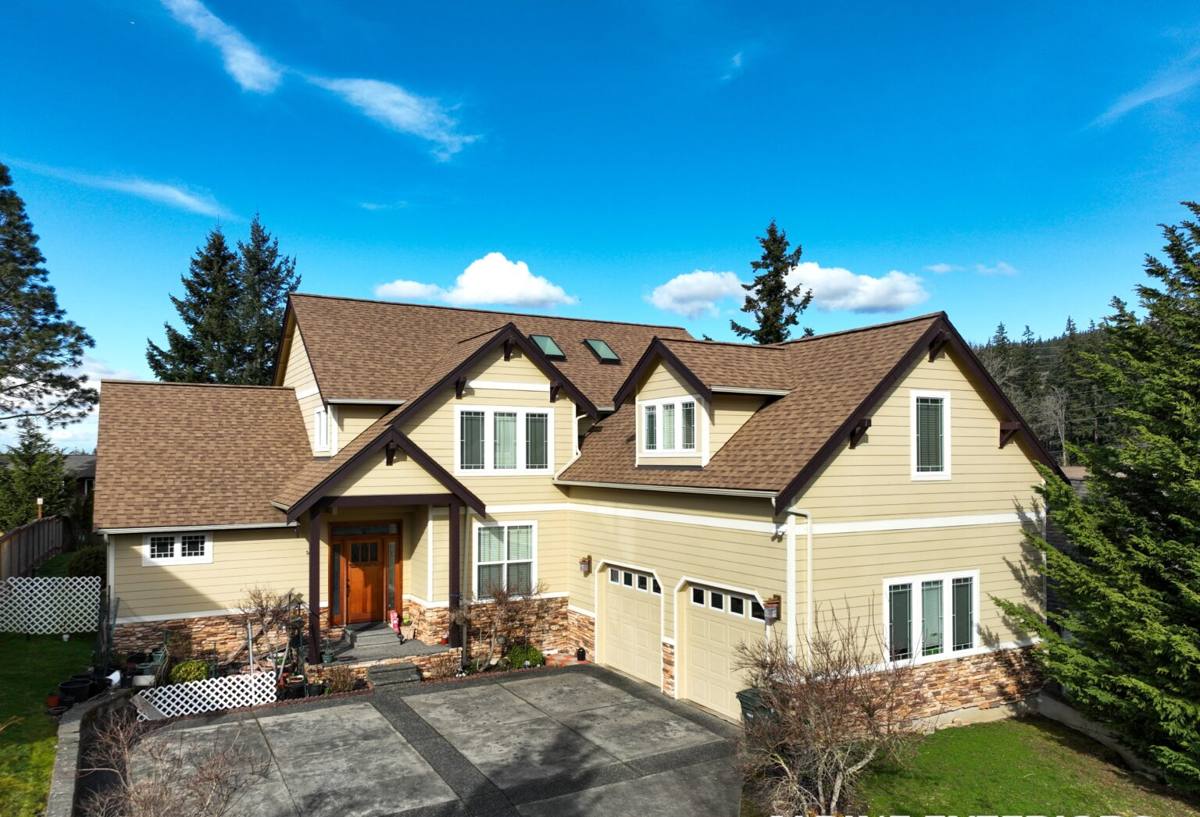
What Tampa-Area Climate Demands From a New Window Opening
Hillsborough County sits in a part of Florida where the building code assumes the worst weather will eventually show up, and it usually does. A handful of realities shape how we approach every new-construction window here:
- Hurricane-force wind loads. The Florida Building Code sets wind-pressure requirements for new construction based on location, and Hillsborough County enforces them through permitting and inspection. Windows have to carry a product approval rating that matches the design pressure for that specific opening — not just "a strong window," but one engineered and labeled for the load it will actually see.
- Wind-driven rain. Tropical systems and summer storms in this area rarely bring rain straight down — it comes sideways. A window can be rated for wind and still leak if the flashing and sill pan underneath it aren't sequenced correctly with the house wrap.
- Year-round, high-angle UV. Florida sun degrades poor-quality vinyl, fades interior finishes, and pushes cooling loads up. Glass package matters as much as frame material.
- Humidity and moisture cycling. Even without a hurricane, the daily humidity swings in this climate stress sealants and gaskets faster than in drier states. Materials that hold up in Ohio don't always hold up here.
- Salt air, at a lesser degree inland. Lutz sits well back from Tampa Bay compared to waterfront neighborhoods, so corrosion pressure on hardware is lower than it would be right on the water — but it's not zero, and it's still worth using corrosion-resistant fasteners and hardware rather than assuming distance alone solves it.
Why This Matters More at New Construction Than at Replacement
With a replacement window, you're working inside an existing, weathertight wall — the risk is contained to the opening itself. With new construction, the window installation is part of the building envelope's first line of defense. If the flashing sequence is wrong at this stage, water can travel behind the exterior finish and into the wall cavity for years before anyone notices a stain inside. Getting it right during the build is far cheaper than fixing hidden rot later.
What a Correct New-Construction Window Install Actually Involves
"Set the window and caulk around it" is not an installation method — it's how leaks happen. A proper new-construction install, done to Florida code and to hold up under this region's weather, generally follows this sequence:
- Rough opening verification. Confirming the framed opening matches the window schedule and manufacturer's specified rough opening size, with square, plumb, and level checked before anything goes in.
- Sill pan flashing. A sloped, sealed pan at the bottom of the opening so any water that gets past the window has somewhere to go besides the wall framing.
- Weather-resistive barrier integration. The house wrap has to be cut, lapped, and taped in the right order relative to the window's nailing fin — done backwards, it channels water into the wall instead of away from it.
- Setting the window and fastening per the product approval. Fastener type, spacing, and location aren't a matter of preference — they're specified by the manufacturer's installation instructions referenced in the Florida product approval, and inspectors check for this.
- Flashing tape and sealant at the fin and head flashing. Sealed to shed water down and out, not trapped behind the finish material.
- Final air seal and insulation at the interior gap between the frame and rough opening, which affects both energy performance and comfort once the home is occupied.
Skipping or rushing any one of these steps is invisible on install day and expensive years later.
Our Process for New-Construction Projects in Lutz
1. Plan Review and Window Schedule
We start from the architectural plans and window schedule, confirming sizes, types, and wind-load ratings called out for each opening before a single window is ordered.
2. Product Selection With the Builder or Owner
We go over frame material, glass package, and impact-rating options against the budget and the home's exposure — a window on an open second-story wall facing prevailing storm winds may warrant a different spec than a sheltered opening.
3. Scheduling Around the Build
New-construction windows go in at a specific point in the framing sequence — after rough framing and house wrap, before exterior finish. We coordinate timing directly with the builder's schedule so we're not the trade holding up the job, and not installing before the wall is ready for us.
4. Installation to Code
Every opening is flashed, set, and fastened to match the product approval and Hillsborough County's permitting requirements, with documentation available for inspection.
5. Walkthrough
Before we leave the site, we walk the openings with the builder or homeowner, checking operation, seals, and finish so there are no surprises when drywall and trim go in behind us.
Choosing a Frame Material for New Construction
There's no single "best" window material — it's a trade-off between upfront cost, maintenance, and how the frame performs against Florida heat and moisture over time.
| Frame Type | Upfront Cost | Maintenance | Notes for This Climate |
|---|---|---|---|
| Vinyl | Lower | Low | Good UV-stable formulations hold up well; cheaper vinyl can chalk or warp under intense Florida sun over time |
| Aluminum | Mid | Low-Moderate | Strong and slim sightlines, common in impact-rated storefront-style openings; needs a quality thermal break and corrosion-resistant hardware |
| Fiberglass | Higher | Low | Dimensionally stable under heat cycling, strong warranty structures, but a bigger upfront investment |
| Wood/Wood-Clad | Highest | High | We generally steer new-construction clients in this humidity away from bare wood exteriors — the maintenance burden and moisture sensitivity outweigh the look, in our professional opinion |
Impact Glass vs. Shutters: A New-Construction Decision
Florida code gives builders two paths to satisfy wind-borne debris protection where it applies: impact-rated windows, or standard windows paired with code-approved shutters or panels. For new construction, we generally recommend impact glass over a shutter system, and it comes down to practical trade-offs rather than one product being "better" in the abstract:
- Impact windows provide protection at all times, with no action required before a storm — shutters only work if someone is present and able to deploy them.
- Impact glass also cuts UV transmission and outside noise year-round, a daily-life benefit shutters don't offer.
- Shutters add a visible mechanical system to the exterior that requires storage, maintenance, and eventual replacement of hardware.
- Impact glass carries a higher upfront cost, which matters on a new-build budget — it's a legitimate reason some builders still spec shutters on certain openings.
What Homeowners in Lutz Should Ask Before Windows Go In
- What wind-pressure rating does each window on the plan need, and does the product approval match it?
- Who pulls the permit, and who is responsible if an inspection fails?
- What sill pan and flashing method will be used at each opening?
- Is the glass package Low-E, and what's the expected impact on cooling costs?
- What's the warranty structure — on the product, and separately on the labor?
- How will window installation be sequenced with house wrap and exterior finish trades?
Why Local Experience in Lutz and Hillsborough County Actually Matters
New-construction window work depends on knowing the permitting process, the inspectors, and the wind-load realities of the specific area — not just how to caulk a frame. A crew that regularly works Hillsborough County new-builds already knows which product approvals hold up to local plan review, how Lutz's inland-but-not-coastal location factors into spec decisions, and how to sequence with the framing and stucco crews without becoming the bottleneck on someone's build schedule. That familiarity shows up as fewer inspection call-backs, fewer surprises, and a build that stays on schedule.
Get a Straight Answer for Your Lutz Build
If you're building new in Lutz or anywhere else in the Tampa area and want windows specified and installed correctly the first time, we're happy to look at your plans and talk through options — no pressure, no hard sell. Use the form below to request a free estimate and we'll get back to you with honest answers.