 Tampa Siding
 Why Temple Terrace Roofs Wear Out Faster Than the Warranty Says
A roof in Temple Terrace doesn't get a break. Between June and November it's under threat from tropical storm systems and hurricane-force wind gusts. The rest of the year, Florida's punishing UV load is quietly baking the shingles, drying out the asphalt, and breaking down the granules that protect them. Add in wind-driven rain that gets pushed sideways under poorly sealed flashing, and humid salt air rolling in off Tampa Bay that accelerates corrosion on fasteners and metal components, and you have a climate that ages a roof faster than the manufacturer's paper warranty assumes. This isn't unique to Temple Terrace — it's the reality across Hillsborough County — but it means "how long should my roof last" has a different answer here than it does in a mild, dry climate.
When we replace a roof in this area, we're not just matching what's already up there. We're building for the next storm season, not just for looks.
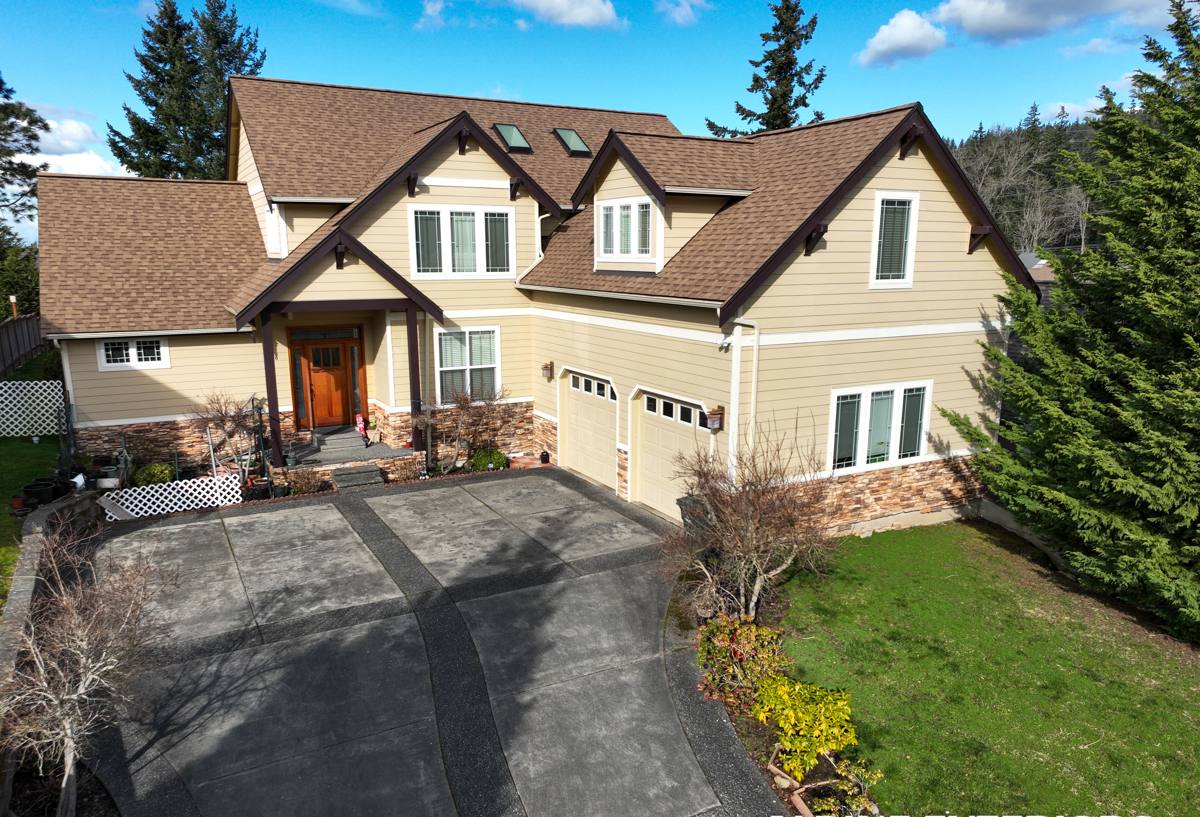
Signs Your Roof Needs Replacing, Not Another Patch
A lot of Temple Terrace homeowners call us after a repair company has already been out two or three times. Repairs have their place, but past a certain point they stop making financial sense. Here's how to tell which category you're in.
- Shingles are curling, cupping, or losing granules in large patches rather than isolated spots
- The roof is 18-20+ years old (typical asphalt shingle lifespan even before Florida sun exposure is factored in)
- You've had two or more leak repairs in different locations within the past couple of years
- Daylight is visible through the roof deck from the attic, or plywood feels soft underfoot during inspection
- Your insurance company has flagged the roof's age or condition at renewal
- Granules are collecting in gutters in noticeable amounts after every rain
If you're only dealing with one of these, a repair may still be the right call. If you're seeing two or more, replacement is almost always the more cost-effective path over a 5-10 year horizon.
What a Correct Roof Replacement Actually Involves
A roof replacement is more than stripping old shingles and nailing down new ones. The parts nobody sees are what determine whether the roof survives the next hurricane season or fails at the first hard blow.
Full Tear-Off, Not an Overlay
We remove the existing roofing material down to the deck rather than layering new shingles over old. An overlay traps heat and moisture, hides deck damage, and voids most manufacturer warranties. It also adds weight without adding real wind resistance.
Deck Inspection and Repair
Once the deck is exposed, we check every sheet of plywood or OSB for soft spots, delamination, and water staining. Any compromised decking gets replaced before anything else goes down — installing new roofing over a weak deck is the single most common cause of premature roof failure in this region.
Underlayment Built for Wind-Driven Rain
Florida's wind-driven rain doesn't fall straight down — it gets pushed under shingle edges and through fastener holes. We install a synthetic or self-adhering underlayment system rated for high-wind, high-moisture conditions, with extra attention at valleys, eaves, and any place water tends to pool or back up.
Flashing at Every Penetration
Chimneys, vent pipes, skylights, and wall-to-roof transitions are where most leaks start — not the open field of shingles. Every penetration gets new flashing, not reused flashing bent back into place.
Ventilation That Matches the Attic
A hot, poorly ventilated attic shortens shingle life from the underside just as fast as UV shortens it from above. We size intake and exhaust ventilation to the specific attic, not a one-size-fits-all vent count.
Material Options for Hillsborough County Homes
There's no single "best" roofing material — the right choice depends on budget, how long you plan to stay in the home, and how much wind and impact resistance you want to pay for.
| Material | Typical Lifespan Here | Wind Performance | Best For |
|---|---|---|---|
| 3-tab asphalt shingle | 12-18 years | Lower wind rating | Budget-conscious replacements, rental properties |
| Architectural (dimensional) shingle | 20-25 years | Higher wind rating, better wind warranty | Most owner-occupied homes; best value-to-durability ratio |
| Standing seam metal | 40-50+ years | Excellent, especially against uplift | Long-term owners wanting minimal future maintenance |
| Concrete or clay tile | 40-50+ years | Very good when properly fastened | Homes matching existing tile aesthetics in the neighborhood |
Architectural shingles are what we install most often in Temple Terrace, largely because they offer meaningfully better wind resistance than 3-tab shingles for a modest price difference, and most manufacturers back them with stronger wind warranties. Metal and tile cost more up front but shift the equation toward decades of lower maintenance rather than a replacement every 15-20 years.
Florida Building Code and Hillsborough County Permitting
Every roof replacement in Hillsborough County has to meet current Florida Building Code wind and installation requirements, which are stricter than what governed roofs installed in the 1990s and early 2000s. That means enhanced nailing patterns, secondary water barriers in some assemblies, and specific fastening schedules based on the home's wind zone. A permit and inspection are required — this isn't optional paperwork, it's what protects you if a claim comes up after a storm and an insurer or adjuster asks whether the work was done to code.
We pull permits, schedule the required inspections, and handle the coordination so you're not the one chasing down the county. If a contractor offers to skip the permit "to save time," that's a red flag, not a favor — it usually means the work isn't being inspected against current code.
How Our Process Works, Start to Finish
- Inspection and estimate — We walk the roof and attic, document actual condition, and give you a written scope and price, not a verbal ballpark.
- Material selection — We go over the trade-offs in the table above based on your budget and how long you plan to own the home.
- Permitting — We file with Hillsborough County and schedule required inspections before work begins.
- Tear-off and deck repair — Old material comes off, the deck is inspected, and any damaged sections are replaced.
- Underlayment, flashing, and material installation — Installed to current code wind requirements, not the minimum that will pass a quick glance.
- Final inspection and cleanup — County inspection is completed, and the property is cleared of debris and swept for nails before we leave.
What Actually Drives the Cost
Two roofs of the same size can price differently for legitimate reasons. Here's what moves the number.
| Factor | Why It Matters |
|---|---|
| Roof pitch and complexity | Steep or multi-plane roofs take longer and require more safety setup |
| Deck condition | Rotted or delaminated decking has to be replaced, which isn't known until tear-off |
| Material choice | Architectural shingle, metal, and tile carry different material and labor costs |
| Number of penetrations | More chimneys, skylights, and vents mean more flashing work |
| Layers being removed | Tearing off two existing layers costs more than tearing off one |
We don't give phone quotes for this reason — an accurate number requires actually seeing the roof and, ideally, the attic. Ask any roofer for a price sight-unseen and you're either getting a lowball that will grow once they're on the roof, or padding to cover unknowns they haven't checked.
Why Hiring a Crew That Already Works This Area Matters
A roofing crew that regularly works Temple Terrace and the surrounding Hillsborough County area knows the local permitting office's expectations, understands which wind zone requirements apply to a given neighborhood, and has already seen how homes of a similar age and construction here tend to be built underneath the surface material. That familiarity shows up in fewer surprises during tear-off and fewer delays waiting on inspections. It also matters after the job is done — a local, established crew is the one you can actually reach if a question comes up during the next storm season, not a name from an out-of-town storm-chasing outfit that was gone the week after the work was finished.
Keeping a New Roof in Good Shape
A properly installed roof still benefits from basic upkeep in this climate. Keep gutters clear so water doesn't back up under the shingle edge. Trim back tree limbs that overhang the roofline, both to limit debris buildup and to reduce abrasion damage during high winds. Have the roof looked at after any named storm, even if nothing looks obviously wrong from the ground — wind can lift a shingle edge or work a fastener loose without an obvious visible sign from below. A quick annual visual check catches small issues while they're still cheap to fix.
If your roof is showing its age or you're planning ahead of the next storm season, we're happy to take a look and give you a straight, no-pressure estimate — just fill out the form below.