 Tampa Siding
 Siding Replacement for Seminole Heights: What Local Homes Actually Need
Seminole Heights is one of Tampa's older residential neighborhoods, with a housing stock that skews toward bungalow and mid-century homes built well before modern siding materials existed. A lot of that original wood siding, along with whatever vinyl or lower-grade replacement went up over the decades since, is now reaching the point where patching no longer makes sense. If you're looking at peeling paint, soft spots, warping, or siding that just looks tired next to the rest of the block, you're likely past the point of touch-up repairs and into replacement territory.
This page is specifically about full siding replacement for homes in Seminole Heights — not a general overview of siding options. We work in this neighborhood regularly, and the combination of older homes, mature tree canopy, and Tampa's climate creates a specific set of problems that a generic siding job won't solve.
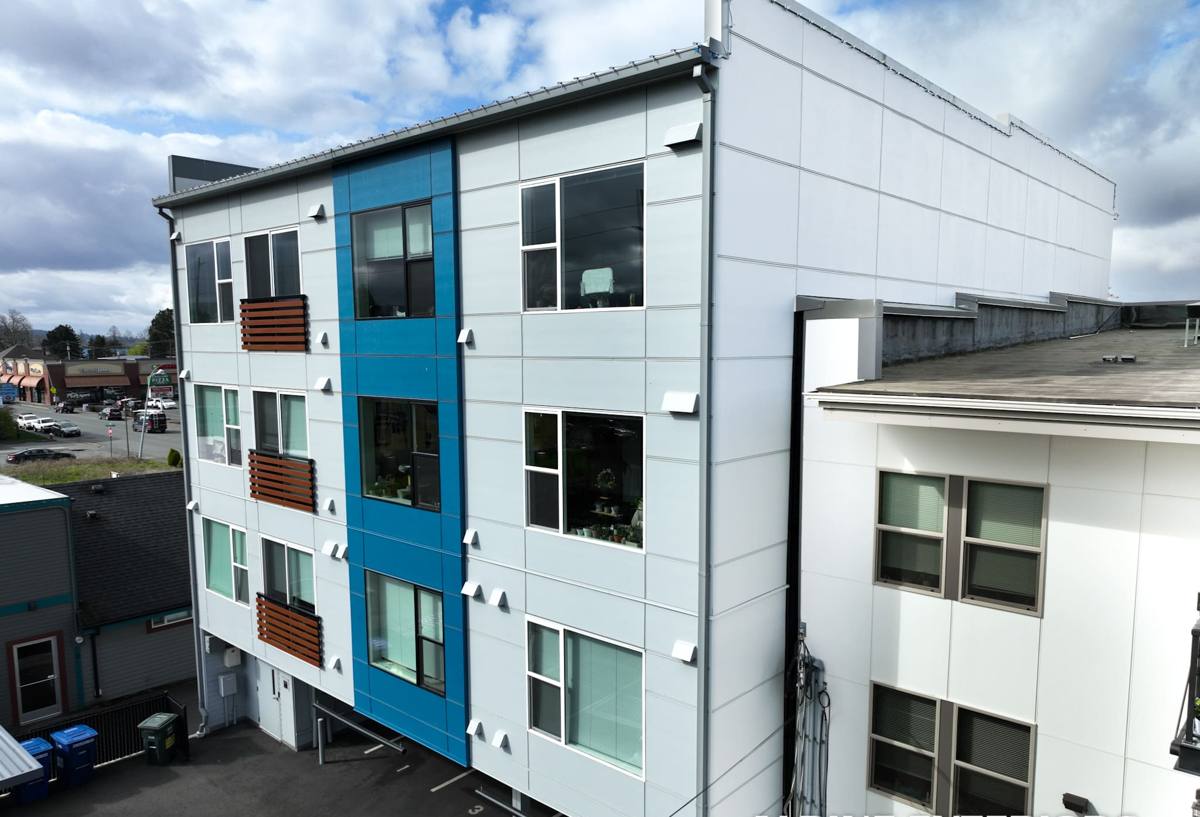
Why Tampa's Climate Is Hard on Siding in This Neighborhood
Hillsborough County sits in a climate zone that punishes exterior materials from multiple directions at once, and Seminole Heights doesn't get a pass on any of them:
- Hurricane-force wind events that test every fastener, seam, and piece of trim on the house, not just during a named storm but during the seasonal squall lines that roll through most summers
- Intense, near-constant UV exposure that breaks down paint films and lower-grade siding surfaces faster than in most parts of the country
- Wind-driven rain that gets pushed sideways into seams, laps, and trim joints that were never designed to handle water moving horizontally
- Salt air influence that reaches well inland from Tampa Bay and accelerates corrosion on fasteners and metal flashing, even on homes that aren't waterfront
Older homes in Seminole Heights also tend to have mature oak canopy overhead, which means more shade-driven moisture retention on north and east-facing walls, more debris in gutters and against siding laps, and more limbs coming down during wind events. None of that is unique to this neighborhood, but it's more pronounced here than in newer subdivisions with young trees and open lot lines.
What Happens When Siding Isn't Matched to This Environment
We see a consistent pattern on older Seminole Heights homes: original wood lap siding that was never fully sealed on cut edges, later covered or replaced with vinyl that has since faded, warped, or cracked at the nail line. In both cases, the underlying problem is the same — the material wasn't built to handle sustained heat, UV, and moisture cycling without ongoing maintenance that most homeowners can't keep up with indefinitely.
Wood siding failures in this climate usually start at butt joints and around window and door trim, where water gets in and doesn't dry out fast enough between rain events. Vinyl failures usually show up as heat warping on sun-exposed walls, brittleness and cracking after years of UV exposure, and fastener holes that have worked loose in high wind. Once either of those failure patterns starts, you're not looking at a cosmetic fix — you're looking at moisture getting behind the siding and into the wall assembly, which is a bigger and more expensive problem.
Signs You're Past the Point of Repair
- Soft, spongy siding when you press on it, especially near the bottom courses or under windows
- Visible warping, cupping, or buckling on sun-exposed walls
- Paint that won't hold no matter how often it's redone
- Gaps opening up at seams, corners, or trim joints
- Multiple past repairs that no longer match the surrounding siding
Why We Install Only James Hardie Fiber Cement
We don't install vinyl siding, LP SmartSide, Cemplank, Allura, or primed wood products like spruce or cedar. That's a deliberate standard, not a limitation of what we're capable of installing. Each of those products has a legitimate place in the market, but none of them holds up the way we want a siding job to hold up in a climate like Tampa's, and we'd rather turn away work that doesn't fit our standard than install something we don't believe in.
Vinyl is affordable and easy to install, but it's a petroleum-based product that softens and can warp in sustained heat, becomes more brittle with UV exposure over time, and simply melts if exposed to enough radiant heat from a nearby grill or reflected sunlight off a window. Wood-based products — including engineered wood siding and primed cedar or spruce — depend heavily on maintaining an intact paint or sealant layer, because once moisture gets past that layer, the wood substrate underneath is vulnerable to swelling, rot, and pest damage. In a climate with this much humidity and rain, that maintenance burden is relentless.
James Hardie fiber cement solves the core problem: it's non-combustible, dimensionally stable across Florida's heat and humidity swings, and it doesn't rely on an unbroken paint film to keep water out of the substrate the way wood-based sidings do. Hardie's ColorPlus factory-applied finish is baked on under controlled conditions and backed by its own finish warranty, which is a meaningfully different proposition than field-applied paint that has to fight UV and humidity from day one.
Quick Comparison: Why the Standard Is Hardie
| Factor | Vinyl / Wood-Based Products | James Hardie Fiber Cement |
|---|---|---|
| Heat behavior | Can warp, soften, or swell in sustained heat | Dimensionally stable across Tampa's temperature range |
| UV / fade resistance | Fades and becomes brittle over years of exposure | ColorPlus factory finish resists fading, backed by finish warranty |
| Moisture behavior | Relies on intact paint/seal or is vulnerable at seams | Fiber cement substrate isn't degraded by moisture the way wood is |
| Fire classification | Combustible (wood) or melts under heat (vinyl) | Non-combustible material |
| Wind performance | Fastener pull-through and panel flex in high wind | Engineered HZ product line rated for high-wind, high-humidity zones |
What a Correct Siding Replacement Involves
A siding replacement is only as good as what happens underneath it. Anyone can nail up new boards over an existing problem; a correct job addresses the wall assembly, not just the visible surface.
The Steps That Actually Matter
- Full tear-off of the failing siding, not installation over the top of it, so we can actually see the substrate condition
- Sheathing inspection to identify and repair any rot, delamination, or water damage found underneath before it gets covered up again
- Weather-resistive barrier installed or replaced correctly, with proper overlaps and sealed penetrations for fasteners, pipes, and vents
- Flashing at every critical point — windows, doors, roof-wall intersections, and any horizontal trim — since this is where wind-driven rain finds its way in
- James Hardie HZ product selection matched to Tampa's climate zone, since Hardie engineers its HZ5 line specifically for the humidity, heat, and moisture patterns of the Gulf Coast and Southeast
- Correct fastening schedule following Hardie's installation specifications, since improper nailing patterns are one of the most common ways fiber cement installations fail to perform as designed
- Trim, corners, and caulking details finished to shed water rather than trap it
Skipping any one of those steps is how a siding job looks fine for a year or two and then starts showing the same problems the old siding had.
Our Process for Seminole Heights Projects
Because we work in this neighborhood regularly, we already know the kinds of things that come up on Seminole Heights homes specifically: older sheathing that needs assessment before new siding goes on, tree canopy that affects drying time and scheduling around wet weather, and homes close enough to neighbors that dust and material staging need to be handled considerately.
- On-site assessment of current siding condition and what's underneath it
- Clear scope of work and product selection (HZ5 lap, panel, or shingle style, depending on the home) before any work starts
- Any necessary permitting handled before tear-off begins
- Full tear-off, substrate repair as needed, and correct weather barrier and flashing installation
- James Hardie installation to manufacturer specification, including fastening and clearances
- Final walkthrough before we consider the job complete
Cost Factors for Siding Replacement in Seminole Heights
Every home is different, so we won't quote a number here that doesn't mean anything without seeing your house. What we can tell you is what actually moves the price up or down on a project like this.
| Factor | Why It Matters |
|---|---|
| Home size and wall complexity | More square footage and more corners, gables, and trim details mean more material and labor |
| Substrate condition | Rotted or damaged sheathing found during tear-off has to be repaired before new siding goes on |
| Siding profile chosen | Lap, shingle, and panel styles all install differently and carry different material costs |
| Trim and architectural detail | Bungalow-style homes with more trim and detail work take more time to finish correctly |
| Access and site conditions | Mature trees, tight lot lines, and limited staging space affect labor time |
Why Hiring a Crew That Already Works This Neighborhood Matters
Siding installation quality comes down to the crew doing the work, not just the product on the truck. A crew that's replaced siding on other homes in Seminole Heights already understands the age and construction of homes here, knows what to expect when tear-off starts, and isn't guessing at how the local climate and site conditions will affect the job. That familiarity shows up in fewer surprises mid-project and a finished result that's built for how this specific area actually behaves — not a generic install pulled from a suburb with newer, simpler construction.
When you're vetting a contractor for a job like this, ask directly what siding products they install and why, whether they perform a full tear-off or install over existing siding, and whether they handle permitting themselves. The answers tell you a lot about how the rest of the project will go.
Questions Worth Asking Any Contractor Before You Sign
- Do you tear off the old siding completely, or install over it?
- What happens if you find rotted or damaged sheathing underneath?
- Which siding brand and product line do you install, and why that one?
- Who pulls the permit, and is that included in the quote?
- What does your warranty actually cover — material, labor, or both?
Maintaining Hardie Siding After Installation
One of the practical advantages of switching to fiber cement is how little ongoing maintenance it demands compared to wood or vinyl. That said, "low maintenance" isn't "no maintenance," and a little attention keeps the finish looking right for the long haul.
- Rinse the exterior periodically to clear salt air residue, pollen, and general grime
- Keep gutters clear so water isn't running down the siding face in sheets
- Trim back tree limbs and shrubs that stay in constant contact with siding
- Re-caulk trim joints and penetrations if you notice gaps opening up over time
- Address any impact damage promptly rather than letting it sit exposed
If you're dealing with failing siding on a Seminole Heights home and want a straight answer about what's actually going on and what it would take to fix it right, we're glad to come take a look. The estimate is free, there's no pressure attached to it, and you'll get a clear picture of your options either way — just fill out the form below to get started.