 Tampa Siding
 Storm Damage Roof Repair Built for Wesley Chapel Homes
Wesley Chapel sits inland from Tampa Bay, but that doesn't spare it from the same weather that batters the coast. Tropical systems moving through Hillsborough and Pasco counties still bring hurricane-force gusts, sideways rain, and hail cores that can pass right over a neighborhood in a matter of minutes. When that happens, the roof takes the first hit, and what looks like minor cosmetic damage from the ground often hides bigger problems underneath the shingles or tiles. We work storm damage repair in Wesley Chapel year-round, not just after a named storm passes through, because Florida's weather doesn't wait for hurricane season to cause trouble.
This page covers what storm damage actually looks like on homes in this area, what a correct repair involves, and how our process works from the first call to the final inspection.
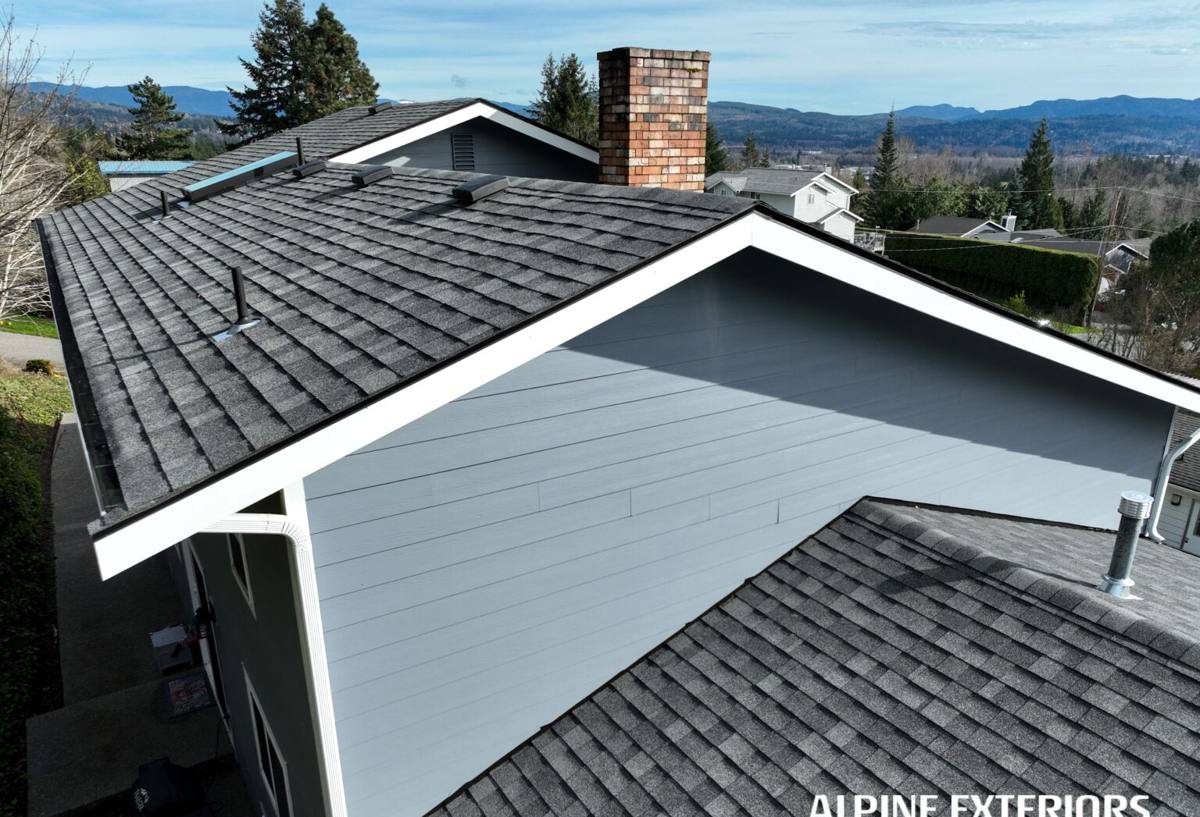
What Makes Wesley Chapel Roofs Vulnerable
Wind-Driven Rain
Straight-down rain rarely causes roof leaks by itself. The problem is wind-driven rain, which gets forced sideways and upward under shingle tabs, tile laps, and flashing edges that were never designed to shed water from that angle. A roof that's held up fine for years can suddenly start leaking during a tropical storm simply because the wind direction was different than usual, or because age had already loosened seals that a normal rain would never test.
Sustained UV Exposure
Central Florida sun is relentless almost every month of the year, and UV breaks down asphalt shingle granules and dries out sealant strips faster than in most parts of the country. A roof that's already UV-brittle has far less give when storm winds hit it, so damage that a newer roof would shrug off can crack or lift on an older one.
Wind Gusts and Debris
Even storms that don't reach hurricane strength can produce gusts strong enough to lift shingle tabs, crack tiles, or drive branches and debris into a roof surface. Wesley Chapel's mature tree cover in older sections of the community adds another factor — falling limbs during high wind events are a common cause of localized damage.
What Storm Damage Actually Looks Like
Homeowners often expect storm damage to be obvious — a missing shingle, a visible hole. In practice, a lot of storm damage is subtle and easy to miss from the ground.
- Shingles that are lifted, curled, or creased but not fully torn off
- Cracked or slipped roof tiles, sometimes with the crack only visible from certain angles
- Granule loss showing up as bare, shiny patches on asphalt shingles
- Bent, lifted, or separated flashing around chimneys, vents, and roof-to-wall transitions
- Soft spots or staining on interior ceilings that appear days or weeks after a storm
- Debris impact marks — small dents or dings from hail or wind-blown debris
- Gutter and fascia damage that points to wind uplift at the roof edge
The gap between when damage happens and when it becomes obvious is exactly why a lot of storm-related water damage costs more to fix than it should have — by the time a stain shows up inside, moisture has usually been getting into the roof deck or attic for a while.
What a Correct Storm Damage Repair Involves
1. A Full Roof Assessment, Not Just a Spot Check
A proper storm damage inspection covers the whole roof, not just the area a homeowner points to. Wind damage is rarely confined to one section — if gusts were strong enough to lift shingles on one slope, it's worth checking every slope, all the flashing, and the attic space underneath for moisture intrusion.
2. Matching Repairs to the Actual Damage
Not every storm-damaged roof needs full replacement, and not every roof can be safely patched. Isolated tile cracks or a small run of lifted shingles are often repairable. Widespread granule loss, multiple compromised flashing points, or damage to an already-aged roof usually points toward a larger repair or replacement conversation. Part of doing this job right is being honest about which category a given roof falls into.
3. Correct Flashing and Underlayment Work
Storm leaks very often trace back to flashing, not the field of the roof itself. Any repair that reuses damaged or undersized flashing, or skips resealing underlayment properly, is likely to leak again in the next storm even if the visible shingle or tile damage was fixed.
4. Documentation for Insurance
Storm damage repairs frequently involve an insurance claim. Photographing damage before repair, keeping a written scope of work, and providing documentation that matches what the insurance adjuster needs are part of doing the job correctly — not an afterthought.
Our Process for Wesley Chapel Storm Repairs
- Inspection. We walk the full roof and attic, document what we find with photos, and explain what's actually happening in plain terms.
- Written scope and estimate. You get a clear breakdown of what needs repair, what the options are, and honest pricing before any work starts.
- Insurance coordination if applicable. If you're filing a claim, we provide documentation formatted to support that process and can meet an adjuster on-site if needed.
- Repair. We complete the agreed-upon work using materials and methods matched to the damage — not a one-size-fits-all patch.
- Final walkthrough. We inspect the completed repair with you before considering the job done.
Repair vs. Replacement: Cost Factors
Storm damage repair cost depends on more than square footage. The table below covers the main factors that push a job toward a simple patch versus a larger repair or full replacement.
| Factor | Points Toward Repair | Points Toward Replacement |
|---|---|---|
| Roof age | Under 10-12 years | Near or past expected lifespan |
| Damage spread | Isolated to one area or slope | Multiple areas across the roof |
| Flashing condition | Intact elsewhere on the roof | Widespread flashing failure |
| Underlayment/decking | Dry, no rot found | Moisture intrusion or soft decking |
| Prior repair history | First storm-related issue | Repeated patch history on the same roof |
Because pricing varies so much based on these factors, we avoid quoting a number before an actual inspection — a fair estimate has to be based on what's really going on with your specific roof.
Why a Roofer Who Already Works Wesley Chapel Matters
Roofing materials, permitting requirements, and even wind-load expectations vary by county and municipality in Florida. A crew that regularly works Hillsborough County roofs already knows the permitting process locally, has a working sense of what roofing systems hold up under this area's specific mix of UV exposure and storm wind patterns, and isn't learning the area on your dime. That familiarity also matters after a storm, when demand for roofing work spikes across the region — a crew already established in the community tends to be more reachable and accountable than an outfit that shows up only when storms create a temporary opportunity.
Salt air is less of a factor this far inland than it is directly on the coast, but Tampa Bay's proximity still means some airborne salinity reaches inland communities during onshore wind events, which is one more reason metal flashing and fastener quality matter on every repair we do.
What to Do Right After a Storm
- Do a visual check from the ground — do not get on the roof yourself after a storm
- Check attic spaces and ceilings for new stains, drips, or soft spots
- Photograph any visible exterior damage, including debris on the ground and roof
- Cover any active interior leak sources temporarily with a bucket or tarp if it's safe to do so
- Call for an inspection promptly — delayed damage tends to compound, especially with continued rain
- Hold off on signing anything with a door-to-door storm-chasing crew until you've had a local company you trust look at it
Common Mistakes After Storm Damage
The most common mistake we see is waiting. A roof that has minor storm damage today can develop a much bigger, more expensive problem after a few more rain events if the entry point for water isn't sealed. The second most common mistake is accepting a repair estimate from a company with no local track record that showed up specifically because a storm rolled through — those crews are sometimes gone before a repair needs to be revisited under warranty. The third is assuming insurance will cover everything without documentation done properly from the start.
Get a No-Pressure Storm Damage Estimate
If your Wesley Chapel home has visible or suspected storm damage, we'll come take a real look — inside the attic and across the whole roof, not just the spot you're worried about — and give you a straight answer about what it needs. Fill out the form below for a free estimate.