 Tampa Siding
 Why Siding Replacement in Temple Terrace Is a Different Job Than It Looks
Temple Terrace sits inside Hillsborough County's version of the Tampa Bay climate: long, humid summers, intense year-round UV, hurricane-season wind and wind-driven rain, and enough proximity to the Bay that salt-laden air is a real factor even a few miles inland. Siding here isn't just a cosmetic layer — it's the home's primary defense against water intrusion, and it takes a beating every single year, not just during named storms. A siding replacement done right in Temple Terrace has to account for all of that from day one, not just match the color of the house next door.
Homes in this area tend to be a mix of older block-and-frame construction with aging original siding and newer builds where a first or second replacement is due on a normal 15-25 year cycle, depending on what was installed originally. Whichever category a home falls into, the climate factors are the same, and they're the reason a "like-for-like" replacement without upgrading the underlying materials and details often just resets the clock on the same problems.
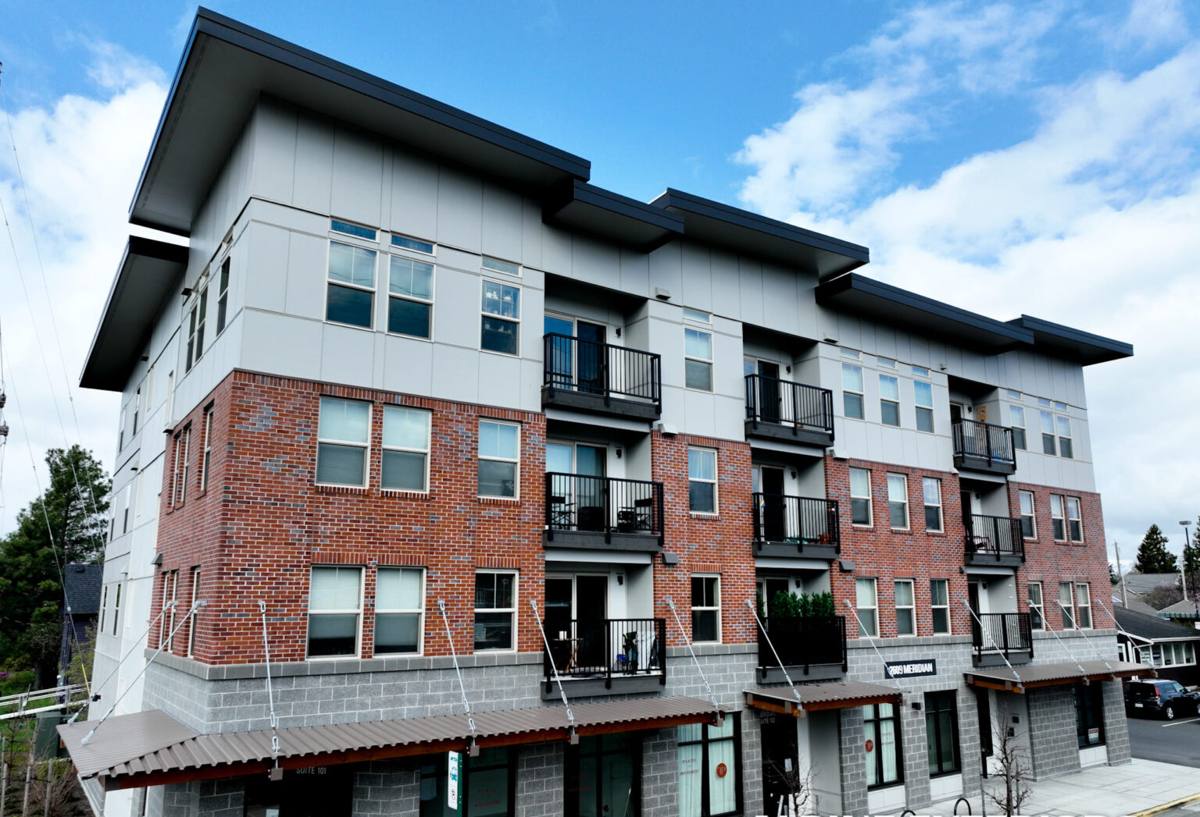
Signs a Temple Terrace Home Needs Replacement, Not Just Repair
Not every siding problem calls for a full tear-off. But there's a point where patching individual boards or panels stops making financial sense and starts masking a bigger issue underneath. Homeowners in this area should treat the following as replacement signals, not repair-and-wait signals:
- Soft, spongy, or visibly bowed sections of siding — usually a sign moisture has reached the substrate
- Paint that won't hold no matter how often it's redone, especially on sun-exposed south and west walls
- Cracking, splitting, or warping that shows up repeatedly in the same areas after storms
- Gaps opening up at trim, corners, or window and door casings
- Visible mold, mildew, or staining that returns shortly after cleaning
- Siding that flexes or feels hollow when pressed, particularly near the bottom courses
- Any siding that was damaged in a prior storm and only partially repaired
If more than one of these shows up in different areas of the house, it's usually cheaper in the long run to replace the whole elevation than to keep chasing spot repairs on a material that's already failing broadly.
What a Correct Siding Replacement Actually Involves
Full Tear-Off and Substrate Inspection
A proper replacement starts by removing the old siding entirely, not installing over it. That's the only way to actually see the sheathing underneath — and in a humid climate like Tampa Bay's, hidden rot or water staining behind old siding is common enough that it should be assumed possible, not treated as a surprise. Any compromised sheathing gets replaced before anything new goes up. Skipping this step is the single most common shortcut that leads to problems five or ten years later.
Weather-Resistive Barrier and Flashing
Behind the siding, a correctly installed weather-resistive barrier and properly lapped flashing around every window, door, and penetration is what actually keeps wind-driven rain out of the wall assembly. Siding itself is not fully waterproof — it's a rain screen, and the barrier and flashing behind it are what stop the water that inevitably gets past it. This detail work is where a lot of cut-rate installations fail, because it's invisible once the siding goes up and it's the part that's tempting to rush.
Fastening and Installation to Spec
The siding itself has to be installed to the manufacturer's specifications and to Florida Building Code wind-load requirements for our zone — correct fastener type and spacing, correct nailing pattern, correct clearances at grade and roof lines. Manufacturer warranties are conditioned on installation being done to spec, so cutting corners here doesn't just risk performance, it can void the coverage the homeowner is paying for.
Why We Install Only James Hardie Fiber Cement
We get asked regularly why we don't offer vinyl, LP SmartSide, or other fiber cement brands as options. The honest answer is that after years of doing this work in Hillsborough County's climate, we standardized on James Hardie because it holds up to the specific combination of UV, humidity, and wind this area sees better than the alternatives, and because its factory-applied ColorPlus finish and product warranty are structured in a way we can stand behind.
| Material | Heat & UV Behavior | Moisture Behavior | Wind/Impact Resistance | Long-Term Upkeep |
|---|---|---|---|---|
| Vinyl siding | Can soften, warp, or fade in sustained direct sun and heat | Doesn't rot, but relies heavily on gaps/laps staying intact to shed water | Lighter material; more prone to cracking or blowing off in high wind | Low maintenance but color fades and isn't repaintable to original spec |
| LP SmartSide (engineered wood) | Holds paint reasonably well | Wood-based core; vulnerable to swelling and rot if the finish is breached | Solid when installed correctly | Requires ongoing caulk and paint maintenance to protect the wood core |
| Other fiber cement brands | Generally stable | Similar core material to Hardie, but finish quality and climate-specific engineering vary by manufacturer | Comparable to Hardie when specs are similar | Varies; warranty terms and factory finish quality are the real differentiators |
| James Hardie (HZ product lines) | Engineered specifically for hot, humid, high-UV climates like ours | Non-combustible fiber cement core; doesn't rot or swell with moisture | Dense, heavy board holds up well to wind-driven debris | ColorPlus factory finish resists fading; repainting isn't required on the same schedule as wood-based products |
Vinyl isn't a bad product in every climate — it's inexpensive and low-maintenance in milder conditions. But in a market with our UV intensity and hurricane exposure, we've seen it underperform enough that we don't put it on homes we're standing behind. LP SmartSide and other engineered-wood products can be installed well and last if maintained diligently, but that maintenance burden — keeping every cut edge, seam, and fastener point sealed against moisture — is a real ongoing cost we'd rather homeowners not have to carry. Hardie's fiber cement core and factory finish shift that burden away from the homeowner.
Our Siding Replacement Process for Temple Terrace Homes
- On-site evaluation — we walk the exterior, check the current siding and substrate condition, and measure for material.
- Product and profile selection — lap, shingle, or panel Hardie profile and ColorPlus color, matched to the home and any HOA guidelines that apply.
- Full tear-off — removal of existing siding and trim down to the sheathing.
- Substrate repair — any water-damaged or compromised sheathing is replaced before moving forward.
- Weather barrier and flashing installation — new house wrap and properly lapped flashing at every window, door, and penetration.
- Hardie siding installation — installed to manufacturer spec and local wind-load requirements.
- Trim, caulking, and detail work — corners, trim boards, and joints sealed and finished.
- Final walk-through and cleanup — job site cleared, debris hauled, and the finished work reviewed with the homeowner.
What Affects the Cost of a Siding Replacement
Every home is priced individually, but the same handful of factors drive most of the variation we see on Temple Terrace jobs:
| Cost Factor | Why It Matters |
|---|---|
| Home size and elevations | More square footage of wall area means more material and labor |
| Siding profile | Lap siding, shingle-style, and panel systems differ in material and install time |
| Substrate condition | Rot or water damage found during tear-off adds repair work before new siding goes up |
| Trim and accent detail | Corner boards, window trim, and accent bands add labor beyond flat wall coverage |
| Story height and access | Second-story or hard-to-access walls take longer and require more equipment |
| Tear-off complexity | Multiple existing layers or brittle old material slow demolition |
We won't quote a number without seeing the house, but we're upfront that the biggest swing factor is almost always what we find once the old siding comes off — which is exactly why the tear-off and inspection step isn't optional.
Permits and Local Requirements in Hillsborough County
A full siding replacement in Temple Terrace requires a permit through Hillsborough County, and the installation has to meet Florida Building Code wind-load requirements for our region. If the home is in a community with an HOA, there may also be color or material approval steps to go through before work starts. We handle the permitting process as part of the job rather than leaving it to the homeowner to navigate — it's a routine part of doing this work correctly in this county, not an extra service.
Why Hiring a Crew That Already Works in Temple Terrace Matters
Siding installation quality comes down to details — flashing laps, fastener spacing, clearances, how trim gets sealed — and a crew that works this area regularly has already seen how those details hold up (or don't) against Tampa Bay's specific combination of heat, humidity, wind, and salt air. That's different from general installation experience in a milder or drier climate. Local familiarity also means faster turnaround on permitting, a working knowledge of common HOA requirements in the area, and a crew that's reachable if a question comes up after the job is finished — not a name that only shows up for storm-chasing work after a hurricane and disappears afterward.
Caring for Hardie Siding After Installation
Correctly installed Hardie siding is genuinely low-maintenance, but "low-maintenance" isn't "zero-maintenance." A little attention keeps it performing for its full service life:
- Rinse the exterior periodically to clear salt residue, pollen, and grime buildup — a garden hose is usually enough
- Inspect caulking at trim and joints annually and re-seal any cracked or separated areas
- Keep shrubs, irrigation spray, and mulch beds from staying in direct contact with the siding
- After any major storm, walk the exterior and look for impact damage, loose trim, or dislodged panels
- Avoid pressure washing directly against seams and edges at close range, which can force water behind the siding
If you're weighing a siding replacement on a Temple Terrace home and want a straight answer on condition, options, and cost, we're glad to come take a look. The estimate is free, there's no pressure attached to it, and you'll get a clear read on what your home actually needs — just fill out the form below to get started.