 Tampa Siding
 Ybor City's Siding Challenge
Ybor City sits close to the water on Tampa's east side, in Hillsborough County, which means homes here take a harder hit from the weather than siding manufacturers assume in their general product testing. The neighborhood's mix of century-old homes and newer infill construction share the same problem: siding that isn't matched to this climate fails faster than homeowners expect, usually in ways that aren't obvious until moisture has already gotten behind it. A siding job done right here has to account for heat, humidity, wind, and salt air working on the exterior at the same time, every day of the year.
We install fiber cement siding on homes throughout the Tampa Bay area, and Ybor City comes with its own set of considerations — older wall assemblies, tight lot spacing in some blocks, and a housing stock where a fair number of homes have already been re-sided once or twice with products that didn't hold up. This page covers what fiber cement siding needs to do in this specific area, what a correct installation actually involves, and why we only install one product line to get there.
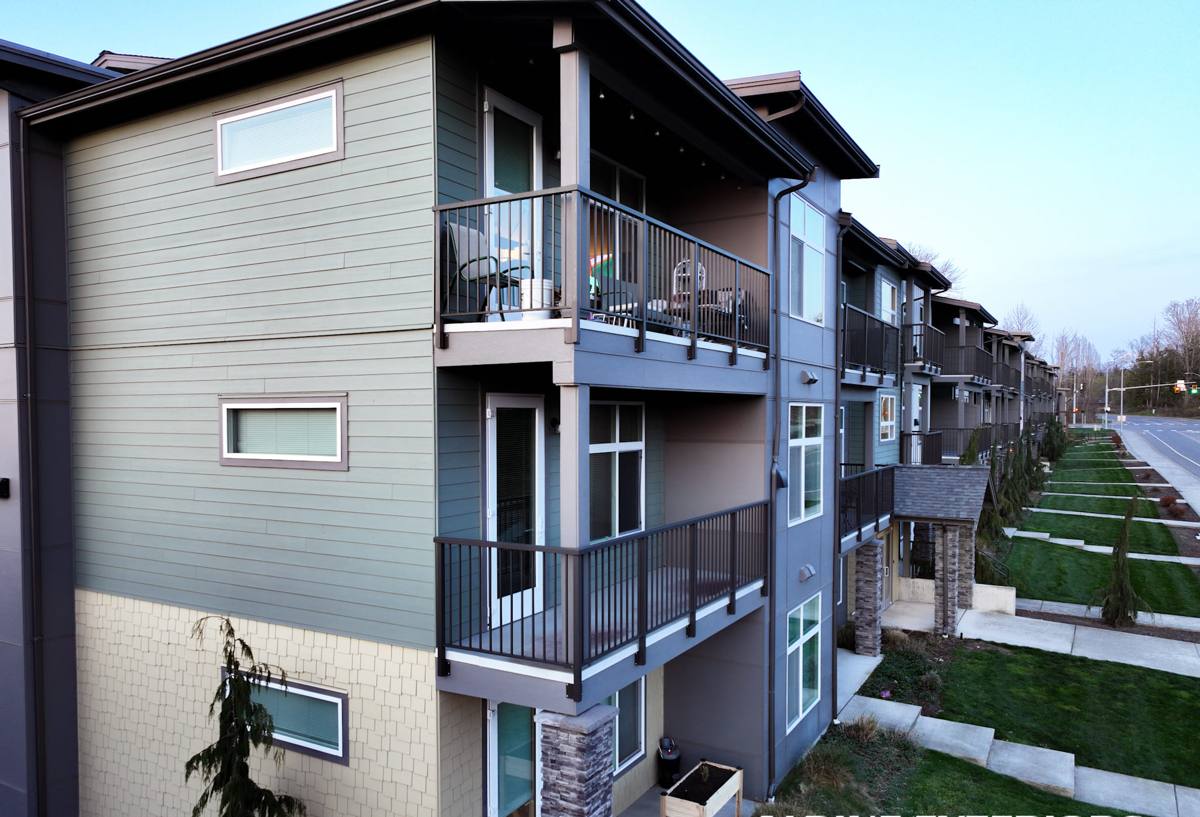
What Tampa's Climate Actually Does to Siding
It helps to be specific about the forces at work, because they don't all attack siding the same way.
UV Exposure
Florida gets more direct sun hours per year than almost anywhere else in the continental U.S. On siding, that shows up as fading, chalking, and — on products with a painted or laminate surface rather than a true factory finish — early breakdown of the coating itself. A finish that isn't formulated to resist UV will visibly wash out well before the substrate underneath is anywhere near end of life.
Wind-Driven Rain
Tampa's storms don't just drop rain straight down — they push it sideways, into laps, seams, and any gap in the weather barrier. Siding systems that rely on caulk alone to keep water out, or that don't shed water correctly at the laps, let moisture behind the cladding. Once that happens repeatedly, sheathing and framing take the damage, not just the siding face.
Salt Air
Ybor City is close enough to Tampa Bay that airborne salt is a real factor on fasteners, trim, and any metal components in the wall system. Salt accelerates corrosion in fasteners and flashing that aren't rated for coastal exposure, which is one of the more common hidden causes of early siding failure in this part of Florida.
Hurricane-Force Wind
Hillsborough County isn't inside Florida's official High-Velocity Hurricane Zone (that designation is limited to Miami-Dade and Broward), but design wind speeds here are still substantial, and every named storm season puts real wind load on exterior walls. Siding that isn't fastened to spec, or that uses a fastening pattern rated for a calmer climate, is the first thing to come loose in a bad storm.
Why We Only Install James Hardie Fiber Cement
We made a decision early on to install one siding product, not a menu of options: James Hardie fiber cement. We don't install vinyl, LP SmartSide, primed wood, cedar, or other fiber cement brands like Cemplank or Allura. That's a deliberate standard, not a sales default, and it comes down to how those products behave over years of Tampa Bay weather versus how Hardie's product line is engineered.
Fiber cement itself — a mix of cement, sand, and cellulose fibers — is non-combustible and dimensionally stable in heat and humidity in a way that wood-based and vinyl products aren't. Within fiber cement, James Hardie is the manufacturer we've standardized on because of three things specifically: their ColorPlus factory finish (baked-on, not field-applied, so it resists UV fade far better than site-painted siding), their HardieZone engineering (products formulated by climate zone, including a version specifically for hot, humid, high-moisture regions like Florida's Gulf Coast), and a transferable warranty structure that holds up when the installation itself meets their specifications. That last part matters as much as the product — a good product installed wrong doesn't get you a good result.
Why We Don't Install the Alternatives
This isn't about running down other products — each has legitimate uses. Vinyl is inexpensive and easy to install, but it softens and can warp under sustained direct sun, and it has no real resistance to wind-driven debris impact. LP SmartSide is an engineered wood product with a resin-treated strand core; it performs reasonably in many climates, but wood-based substrates are inherently more sensitive to sustained moisture exposure than cement-based ones, which matters in a climate as humid as Tampa's. Primed wood and cedar require a maintenance schedule — regular repainting and caulking — that most homeowners underestimate, and any lapse accelerates decay. Other fiber cement brands may be chemically similar to Hardie's, but they don't carry the same factory finish system or climate-zone engineering, and warranty terms vary. We'd rather install one product we can stand behind completely than several we'd have to caveat.
What a Correct Fiber Cement Installation Involves
Fiber cement siding fails in the field almost exclusively because of installation shortcuts, not product defects. The material itself is forgiving of Florida's climate; a rushed or off-spec install is not. A correct job includes:
- A code-compliant weather-resistive barrier installed and lapped correctly before the first piece of siding goes up
- Manufacturer-specified starter strip at the base of every wall, set to the correct reveal
- Flashing at every penetration — windows, doors, hose bibs, light fixtures, vents — not just caulk over the gap
- Fasteners rated for coastal/high-corrosion exposure, placed at the spacing and depth James Hardie specifies for this climate zone
- Correct clearance between the bottom of the siding and grade, roofing, decks, and patios so water can't wick up into the material
- Factory-cut edges re-sealed in the field per manufacturer instructions wherever a panel is trimmed on-site
- Caulking used only where Hardie's install guide calls for it — not as a substitute for proper flashing and overlap
- Expansion gaps left where panels meet trim and at butt joints, so the material isn't force-fit tight
Skipping any one of these doesn't usually cause an immediate, visible problem. It shows up two, five, or eight years later as a soft spot, a stain, or a section that's pulling away — long after the crew that installed it is gone.
Siding Options for Ybor City Homes: How They Compare
| Siding Type | Upfront Cost | Wind/Storm Performance | Moisture & Humidity Behavior | Ongoing Maintenance |
|---|---|---|---|---|
| James Hardie Fiber Cement | Moderate to higher | Engineered and rated for high-wind regions | Cement-based; not moisture-sensitive at the core | Occasional wash; repaint only if not ColorPlus finish |
| Vinyl Siding | Lower | Prone to cracking/blow-off in high wind | Doesn't rot, but can trap moisture behind panels | Low, but fades and can warp in direct sun |
| LP SmartSide (engineered wood) | Moderate | Reasonable when installed to spec | Wood-based core sensitive to sustained moisture | Requires attentive caulk/paint upkeep |
| Other Fiber Cement Brands | Moderate | Varies by product line | Similar core material to Hardie | Varies; finish systems differ from ColorPlus |
| Wood/Cedar Siding | Higher | Weak against wind-driven rain intrusion | Most moisture-sensitive of the group | Regular repainting/sealing required |
None of this means the alternatives are unusable everywhere — it's why we build our business around the one product line that matches what this specific climate demands.
Our Process for a Ybor City Siding Job
- On-site assessment. We look at the current siding, wall assembly, and any existing moisture or trim issues before quoting anything.
- Scope and product selection. We walk through the right James Hardie profile (lap, panel, or shingle style) and ColorPlus color for the home.
- Tear-off and inspection. Removing the old siding lets us check sheathing condition and address any hidden rot or damage before it's covered back up.
- Weather barrier and flashing. This step gets done to spec, every time — it's the part that determines whether the wall stays dry for the next 30 years.
- Installation to manufacturer spec. Correct fasteners, spacing, clearances, and expansion gaps, following James Hardie's installation instructions for this climate zone.
- Final walkthrough. We go over the finished job with the homeowner and cover care and warranty registration.
Permits and Local Code Considerations
Siding replacement in Hillsborough County typically requires a permit, and inspections check that the weather barrier, flashing, and fastening meet Florida Building Code wind-load provisions for this area. Skipping the permit step is a shortcut some contractors take to move faster, but it leaves the homeowner with no independent verification that the work meets code — which matters both for safety and for insurance and resale purposes down the line. We pull permits and schedule inspections as a standard part of the job, not an add-on.
Maintenance Expectations After Installation
One of the practical advantages of James Hardie's ColorPlus finish is how little upkeep it asks for compared to painted siding. A rinse with a garden hose a couple of times a year to clear off pollen, salt residue, and general grime is typically enough. Caulked joints and trim should get a visual check annually, especially after hurricane season, since caulk is the one component in the system that does wear out and need occasional touch-up. Because the color is baked into the panel at the factory rather than sprayed on-site, homeowners aren't looking at a repaint cycle the way they would with wood or field-finished siding.
Why a Crew That Already Works in Ybor City Matters
Fiber cement installation is not a generic skill that transfers evenly from one region to another. A crew that mostly works inland, drier climates can install Hardie siding perfectly correctly by the book and still miss the details that matter specifically here — coastal-rated fasteners, the flashing details that hold up under sideways rain, and realistic expectations about how a Tampa Bay hurricane season will test the job. Crews that regularly work Ybor City and the surrounding Tampa neighborhoods have already seen what goes wrong with siding in this specific environment, and build the fix into the install the first time instead of learning it from a callback.
If you're weighing a siding replacement in Ybor City, we're glad to come take a look and give you a straightforward, no-pressure estimate — no obligation, just an honest read on what your home needs.