 Tampa Siding
 Why Clearwater Roofs Take a Different Kind of Beating
Clearwater sits on the Gulf side of the Tampa Bay area, which means homes here deal with a combination of stresses that inland roofs never see. Hurricane-force wind events are a real possibility every storm season, not a hypothetical. Salt-laden air moves in off the Gulf and settles on every exposed metal surface, accelerating corrosion on fasteners, flashing, and panel edges that weren't specified for coastal exposure. Add in nearly year-round, high-intensity UV exposure and the sudden, wind-driven downpours that show up with little warning, and you have a roofing environment that punishes shortcuts fast. A roof that would hold up fine forty miles inland can fail years early in Clearwater if it wasn't built for this specific mix of conditions.
Metal roofing, done correctly, is one of the strongest answers to that combination. It's not automatically storm-proof just because it's metal — the system, the fasteners, the coatings, and the installation details all have to be matched to a coastal Pinellas County property. That's the standard we hold every Clearwater metal roofing job to.
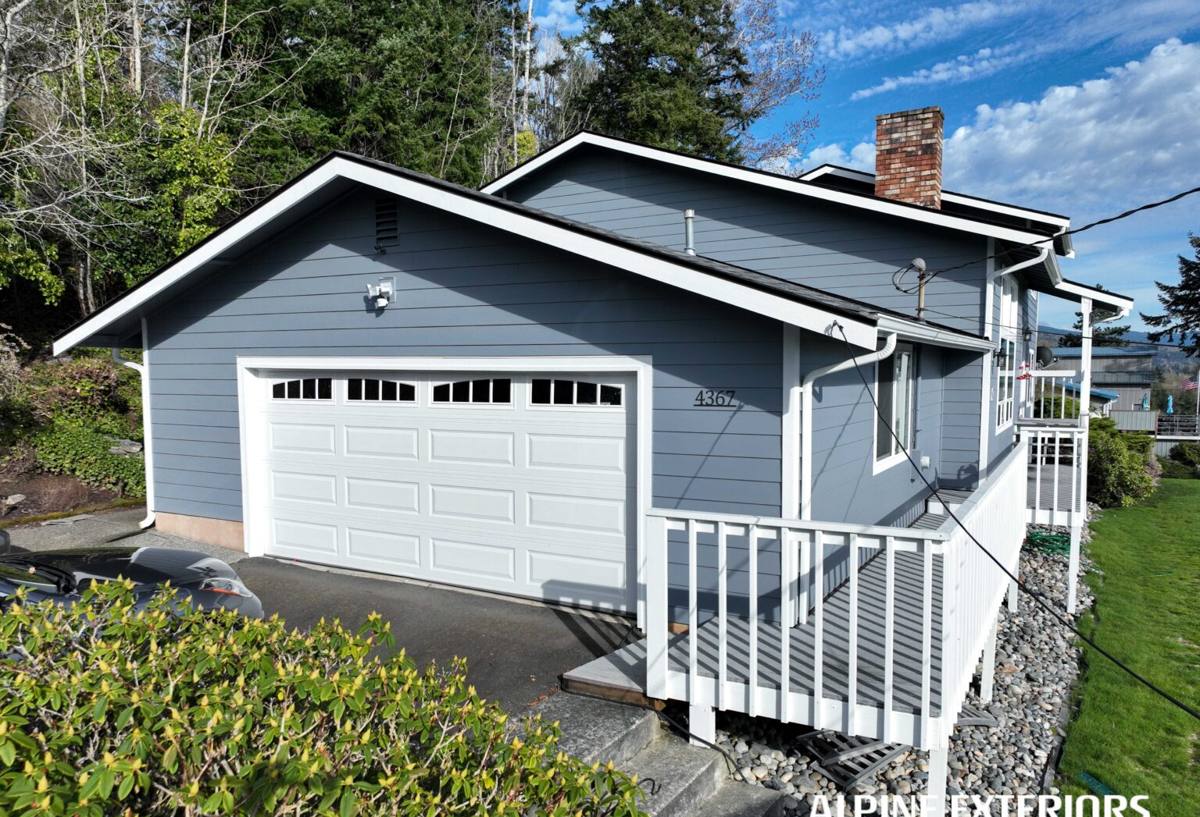
What a Coastal Metal Roof Actually Needs to Get Right
Wind Resistance Starts at the Fastening System
A metal roof's wind performance has almost nothing to do with the metal itself and almost everything to do with how it's attached. Panel gauge, seam type, clip spacing, and fastener pull-out strength all factor into what wind uplift a roof can actually resist. On a home this close to the water, we don't treat manufacturer minimums as the finish line — we look at the specific exposure of the property (open water view, tree cover, roof height, roof pitch) and adjust fastening accordingly.
Salt Air Attacks Metal at Its Weakest Points
Corrosion rarely starts on the flat field of a panel. It starts at cut edges, fastener heads, flashing seams, and anywhere two dissimilar metals touch each other and start a galvanic reaction. A roof installed with the wrong fastener alloy, unsealed cut edges, or mismatched trim metal can show rust streaks within a couple of storm seasons, even though the panels themselves are rated for decades. Coastal installation is as much about protecting the details as it is about the panels.
UV Exposure Breaks Down Coatings Before It Breaks Down Metal
Florida sun is hard on painted and coated finishes. Lower-quality paint systems chalk, fade, and lose their reflective properties years ahead of schedule, which matters both for curb appeal and for the roof's ability to shed heat. We spec finish systems rated for sustained UV exposure rather than the cheapest coating that technically qualifies for a warranty.
Metal Roofing Systems We Install
Not every metal roof is the same product wearing a different color. The systems differ in how they're fastened, how they handle water, and how they hold up to wind and salt exposure over time.
| System | How It's Fastened | Best Fit |
|---|---|---|
| Standing seam | Concealed clips, no exposed fasteners on the field | Homes wanting the strongest wind and water performance, longer service life |
| Metal shingles / tile-profile panels | Interlocking panels, some exposed fastener at overlaps | Homeowners wanting a traditional shingle or tile look with metal's durability |
| Exposed-fastener corrugated panels | Screws driven through the panel face into the deck | Budget-conscious projects, secondary structures, lower-exposure roof planes |
Exposed-fastener systems cost less upfront, but every fastener penetration is a future maintenance point — gaskets age, screws back out, and in a salt-air environment those exposed heads are the first thing to corrode. Standing seam avoids that problem entirely by hiding the attachment under the seam, which is why we lean toward it for full roof replacements on Clearwater homes with real Gulf exposure. We'll walk you through the honest trade-offs for your specific property rather than pushing one system on everyone.
What a Correct Installation Actually Involves
Deck Inspection Before Anything Goes Down
Metal roofing is only as good as what it's fastened to. Before any panel goes on, we check the decking for soft spots, moisture damage, and proper thickness. Skipping this step is one of the most common ways a metal roof fails prematurely — the panels can be flawless and the roof still leaks or loosens because the deck underneath couldn't hold the fasteners.
Underlayment Built for Wind-Driven Rain
Wind-driven rain doesn't just hit a roof from above — it drives sideways and can work its way under panel laps during a real storm. A high-temperature, self-adhering underlayment gives the roof a true secondary water barrier, which matters far more in Clearwater than in a climate with occasional light rain.
Flashing at Every Penetration and Transition
Valleys, wall transitions, pipe boots, and skylight curbs are where most roof leaks actually originate, metal or otherwise. Custom-fabricated flashing that matches the panel profile, properly lapped and sealed, is not an optional upgrade — it's the difference between a roof that sheds water for decades and one that leaks within a few years.
Fastening Pattern Matched to Wind Exposure
As covered above, clip and fastener spacing should reflect the actual wind exposure of the roof plane, not just a generic code minimum. Corners and eaves typically need tighter spacing than the rest of the field because that's where wind uplift concentrates first.
Our Process for a Clearwater Metal Roofing Project
- On-site inspection. We walk the roof, check the deck condition where accessible, note exposure factors specific to the property, and measure for an accurate estimate — not a rough guess.
- Written proposal. You get a clear breakdown of the system, materials, and scope before any work starts, so there are no surprises mid-project.
- Tear-off or overlay decision. In most full metal roof installations we recommend a clean tear-off so the deck can be properly inspected and repaired — overlaying onto existing roofing hides problems rather than solving them.
- Installation. Deck repair as needed, underlayment, flashing, and panel installation in sequence, with attention to the coastal-specific details above.
- Final walkthrough and cleanup. We review the finished roof with you and make sure the site is left clean.
Signs a Clearwater Roof Needs Attention
Metal roofing failures are usually gradual and show warning signs well before a leak actually appears indoors. Watch for:
- Rust streaking at seams, fasteners, or panel edges
- Visible fading or chalking of the painted finish
- Loose or lifted panels after a windstorm
- Oil-canning (visible waviness) across large flat panel areas
- Water stains on ceilings or in the attic after heavy rain
- Corroded or missing fastener caps on exposed-fastener systems
- Gaps or separation at flashing around chimneys, walls, or vents
Catching these early is almost always cheaper than waiting for interior water damage to show up.
What Drives Metal Roofing Cost in the Clearwater Area
| Factor | Why It Matters Here |
|---|---|
| Panel system chosen | Standing seam runs higher than exposed-fastener panels but reduces long-term maintenance in salt air |
| Roof complexity | Valleys, dormers, and multiple roof planes increase flashing work and labor time |
| Deck condition | Rot or soft decking found during tear-off adds repair cost but is essential to address before installing |
| Fastener and coating spec | Coastal-grade fasteners and UV-rated finishes cost more than generic hardware but last far longer near the Gulf |
| Wind exposure of the property | Open exposure toward the water may call for tighter fastening patterns, adding labor |
We don't quote a number without seeing the roof — pitch, square footage, current condition, and system choice all move the price. What we can promise is a proposal that spells out exactly what you're paying for, not a vague lump sum.
Why a Crew That Already Works in Clearwater Matters
Coastal Pinellas County properties come with permitting and wind-code requirements that differ from inland jobs, and a crew that handles this work regularly knows what inspectors are looking for before the job ever gets scheduled. Familiarity with local wind exposure categories, common deck conditions in older Clearwater homes, and the realities of working around salt air isn't something you get from a crew that occasionally drives out from another market. It shows up in fastener choices, flashing details, and a system spec that's actually appropriate for a Gulf-facing roof rather than a generic installation.
It also matters after the job is done. A local crew is reachable if a question comes up after a storm, and stands behind the workmanship on a roof they can actually get back to without a long drive.
Protecting the Investment After Installation
Metal roofing is low-maintenance compared to most roofing materials, but "low-maintenance" isn't "no-maintenance," especially in a salt-air environment. A simple annual visual check — looking for loose fasteners, debris buildup in valleys, or early rust spots — catches small issues while they're still small. After any major storm, a quick inspection is worth the time before assuming everything is fine.
If you're weighing metal roofing for a Clearwater home, we're happy to take a look and give you a straight answer about what your roof actually needs. Reach out for a free, no-pressure estimate using the form below.