 Tampa Siding
 What Davis Islands New Construction Demands From Windows
Davis Islands sits right on Tampa Bay, and that waterfront position means the homes going up there face a harder environment than a typical inland Hillsborough County lot. Salt-laden air moves off the water and settles on every exposed surface, year-round UV runs stronger and longer than most of the country ever sees, and storm season brings both wind-driven rain that finds any weak seam and, on the worst days, hurricane-force gusts that load a window frame in ways calm-weather products were never built to handle. New-construction windows on Davis Islands aren't a cosmetic choice — they're one of the first lines of defense the house has once the walls go up.
Getting this right starts before the window ever ships. It means picking frame materials, glass packages, and fastening methods that were actually engineered for a coastal Tampa exposure, and it means installing them correctly while the opening is still raw framing, not patched-in years later around finished walls.
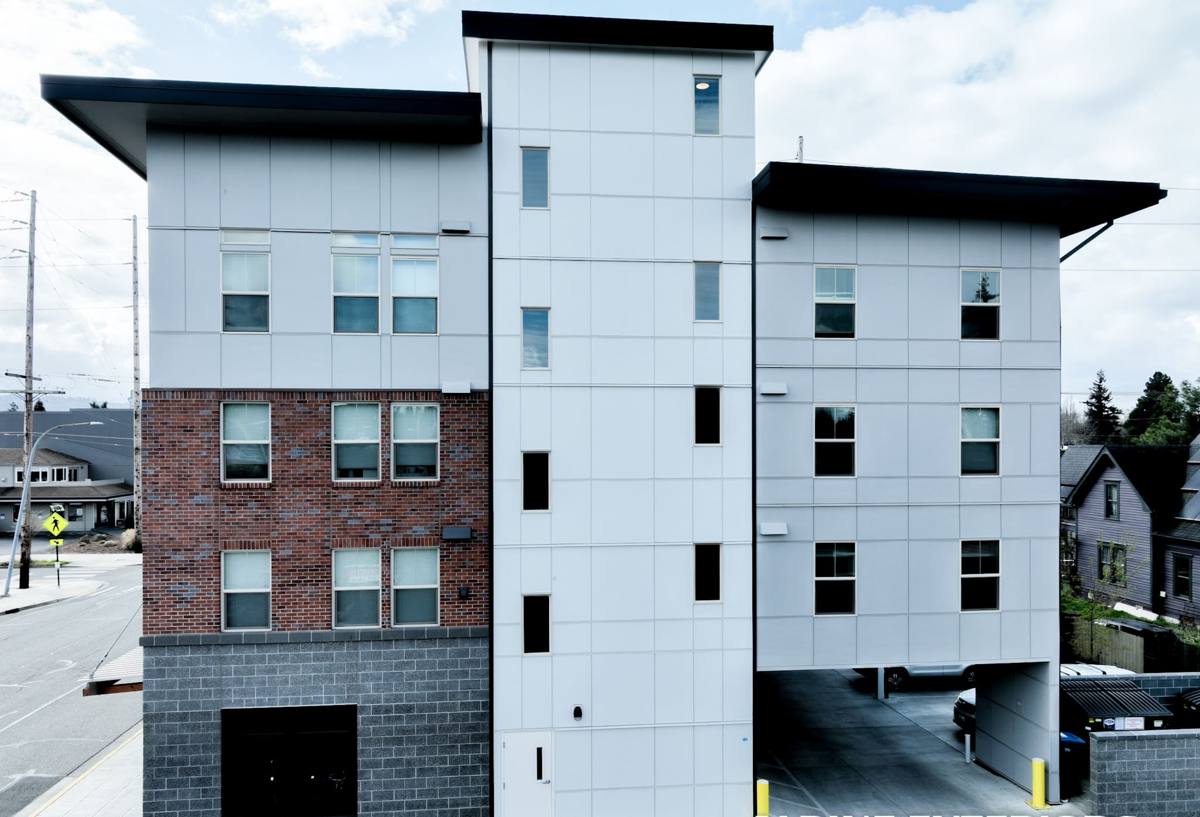
New Construction vs. Replacement: Why the Install Method Matters
New-construction windows are built with a nailing fin around the perimeter of the frame. That fin gets fastened directly to the sheathing and integrated with the house wrap and flashing before siding, stucco, or brick veneer closes the wall up. This is different from a replacement or "pocket" install, which fits a new frame inside an existing opening after the exterior finish is already in place. Each method has its own correct sequence, and mixing them up — for example, treating a new-construction window like a retrofit — is one of the more common ways a water leak gets built into a house before it's even finished.
Nail-Fin Integration During the Build
On a new build, the window installer is working alongside framers, the house wrap crew, and eventually the siding or stucco trade. The window has to go in at the right point in that sequence — opening framed square and to size, weather-resistant barrier lapped correctly above and around the rough opening, and the window itself set, shimmed level and plumb, and fastened before the wall is closed up. Once siding covers the fin, any mistake underneath is hidden until it shows up as a stain, soft trim, or a leak during the next heavy rain.
Florida Building Code, Wind Zones, and Impact Requirements
Hillsborough County's coastal exposure — and Davis Islands' waterfront position in particular — puts many new builds here inside Florida's wind-borne debris region under the Florida Building Code. In practice, that changes what a code-compliant window looks like: the frame and glazing have to carry a rated design pressure for the site's wind exposure, and the opening needs either impact-rated glass or an approved method of opening protection. None of this is optional on new construction; it gets checked at permit and inspection, and it's far easier to get right the first time than to retrofit later.
A window's design pressure rating also isn't one-size-fits-all across a neighborhood. A home with open exposure toward the water typically needs a higher-rated window than a similarly sized home shielded by other structures. Part of doing this correctly is matching the product to the specific lot, not just installing whatever rating was used on the last job.
Material and Glass Choices for Salt Air and UV
The frame material and glass package matter as much as the installation itself once salt air and constant sun enter the picture. Here's how the common options generally compare for a Davis Islands build:
| Option | Salt-Air / Corrosion Resistance | UV & Heat Performance | Maintenance | Typical Cost Position |
|---|---|---|---|---|
| Vinyl frame, impact glass | Very good — won't pit or corrode | Good with modern Low-E coatings | Low | Moderate |
| Aluminum frame, impact glass | Good if properly finished; watch fastener and hardware quality | Good, especially with thermally broken frames | Low to moderate | Moderate to higher |
| Fiberglass/composite frame | Very good — dimensionally stable in heat and salt exposure | Very good | Low | Higher upfront |
| Standard (non-impact) glass + shutters | Depends on shutter hardware; more exposed metal to maintain | Fair — often needs separate solar coatings | Higher (shutters need upkeep and deployment) | Lower window cost, added shutter cost |
Whatever the frame material, the glass package deserves equal attention. Low-E coatings cut down on the heat gain that drives up cooling bills in a Tampa summer, and impact laminated glass adds a layer of protection standard glass simply doesn't have. Hardware finish matters too — stainless or coated fasteners and hinges hold up far better than bare steel once salt air gets into the mix, and that's a detail that's cheap to spec correctly up front and expensive to fix later.
Our Installation Process on Davis Islands Builds
The sequence we follow on a new-construction job is built around getting water management right before the window is ever visible from the street.
- Rough opening check. We verify the opening is square, level, and sized correctly against the manufacturer's specs before anything gets fastened.
- Sill pan and flashing. A sloped sill pan and properly lapped flashing tape route any water that gets past the window back out, not into the wall cavity.
- House wrap integration. The weather-resistant barrier is sequenced so water sheds over the flashing in the correct shingle-style order, top piece over the one below it.
- Setting the window. The unit is shimmed level and plumb, fastened through the nail fin per the manufacturer's schedule, and checked for square before it's locked in.
- Sealant and inspection. Compatible sealant is applied at the specified points — not everywhere, since over-sealing can trap water instead of shedding it — and the install is checked before siding or stucco closes the wall.
Every step is documented so it holds up at inspection and so there's a clear record of how the opening was built, which matters if any question comes up years down the road.
Why a Crew That Already Works Davis Islands Matters
A window crew that installs across Tampa but rarely works Davis Islands specifically is starting from scratch on things a local crew already knows. That includes coordinating with the City of Tampa's permitting and inspection process, working cleanly alongside general contractors on an active new-construction site without slowing the schedule, and recognizing that a waterfront lot on the island can call for a different design-pressure window than a similarly sized home a few blocks inland. It also means understanding how exposed a given lot really is — proximity to open water changes wind loading and salt exposure even within the same small neighborhood.
None of that is exotic knowledge, but it's the difference between a crew that has to re-learn the local requirements on your job and one that already builds to them as a matter of habit.
Common Mistakes We See on New Construction Window Installs
Most of the water and wind problems that show up in coastal Tampa homes trace back to a short list of avoidable mistakes:
- Skipping or shortcutting the sill pan, relying on sealant alone to keep water out
- House wrap lapped in the wrong order, so water runs behind the barrier instead of over it
- Fastening schedule not followed, leaving the window under-anchored for its rated wind load
- Using a window rated for a lower design pressure than the lot's actual exposure requires
- Over-sealing the exterior, which traps moisture instead of letting it drain
- Installing before the opening is verified square and to size, causing the frame to rack out of true
Homeowner and Builder Checklist Before Windows Go In
If you're a homeowner working with a builder, or a builder bringing in a window crew, these are worth confirming before installation day:
- Windows are rated for the correct design pressure for your specific lot's wind exposure
- Glass package meets Florida Building Code opening-protection requirements for the site
- Frame material and hardware finish are appropriate for a salt-air environment
- Installer will document flashing and sill pan work before it's covered by siding or stucco
- Fastening schedule matches the manufacturer's requirements for the rated wind load
- Sequencing with the house wrap and siding trades is planned in advance, not figured out on site
Getting Started
New-construction windows are one of those parts of a build that are cheap to get right and expensive to fix once the walls are closed. If you're planning a build or addition on Davis Islands, or anywhere in the greater Tampa area, we're glad to walk the plans, talk through window selection for your specific lot, and give you a straightforward, no-pressure estimate using the form below.