 Tampa Siding
 Building a Deck That Actually Holds Up in Westchase
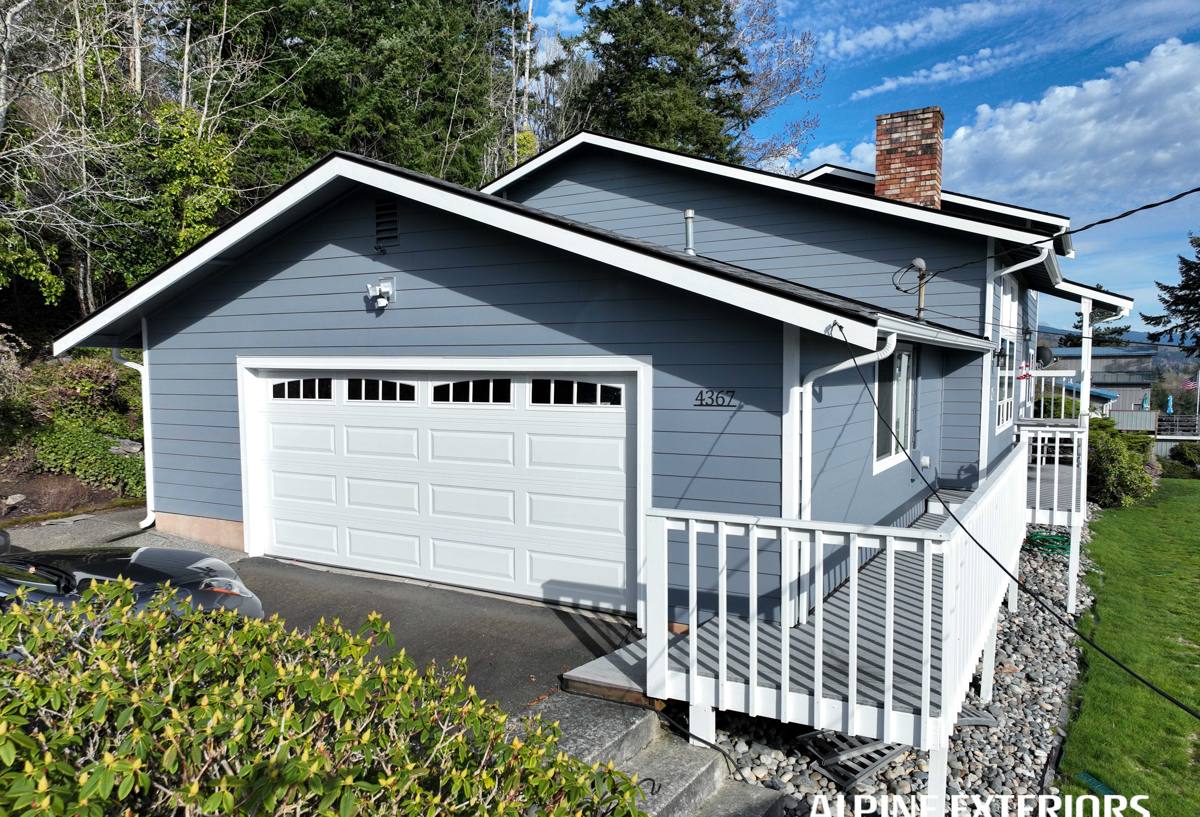
Westchase homeowners ask us for decks more often than you'd think for an inland Tampa neighborhood. A deck extends the living space of a house, and in this climate it gets used almost year-round. The problem is that most deck failures we get called out to inspect aren't design failures — they're climate failures. A deck built the way you'd build one in Ohio or Pennsylvania simply doesn't survive Hillsborough County weather. Between the UV load, the humidity, the wind-driven rain that comes sideways off summer storms, and the occasional hurricane-force gust, a deck here needs to be built differently from day one, not repaired differently later.
This page covers what a correctly built deck looks like specifically for a Westchase property, what our process involves, and why a crew that already knows this neighborhood tends to produce a better result than one learning the area on your job.
What Tampa's Climate Actually Does to a Deck
UV and Heat
Florida gets some of the most intense year-round UV exposure in the continental U.S. On wood decking, that means surface graying, checking, and splintering well ahead of the timeline you'd see up north — often within a couple of seasons if the deck isn't sealed and maintained on schedule. On composite decking, UV resistance varies a lot by product line and by the quality of the cap layer, which is one reason we're selective about what we install and where.
Humidity and Moisture Cycling
Tampa's humidity doesn't just make wood swell — it keeps framing lumber and ledger connections damp longer than they'd stay damp elsewhere, which is exactly the condition rot and fastener corrosion need. A deck that dries out fully between rain events ages very differently than one that stays humid at the framing level, and framing is usually hidden, so this damage isn't visible until it's advanced.
Wind-Driven Rain and Storm Exposure
Wind-driven rain during Tampa's storm season drives water into joints, fastener holes, and ledger connections that would stay dry in a straight-down rain. Combined with periodic hurricane-force wind events, this means a deck's structural connections — not just its surface — have to be engineered for lateral load and water intrusion at the same time.
Salt Air
Westchase isn't beachfront, but Tampa Bay's salt air still reaches inland neighborhoods, especially with onshore wind patterns. Salt air accelerates corrosion on fasteners and metal connectors, which is why fastener spec matters more here than it would inland in a non-coastal state.
What a Correctly Built Deck Involves
A deck that's going to last in this environment isn't just about picking a nice-looking decking board. The parts nobody sees are what determine whether the deck is still solid in ten years.
- Ledger board flashing that fully sheds water away from the house rim joist — this is the single most common failure point we find on older or poorly built decks
- Corrosion-resistant, code-rated fasteners and structural connectors rated for the actual load and exposure, not generic hardware-store screws
- Footings sized and depth-set for Hillsborough County soil conditions and local wind load requirements, not a one-size-fits-all footing spacing
- Joist spacing and beam sizing engineered for the actual decking material chosen, since composite and wood have different span ratings
- Proper ventilation and clearance under the deck so framing can dry out between rain events instead of staying damp
- Railing and stair connections built to current code, not just "looks sturdy"
Skip any one of these and the deck may look fine for a year or two before problems show up — usually right around the ledger board or the footings, which are the most expensive parts to fix after the fact.
Decking Material Comparison for a Westchase Backyard
There's no single "best" decking material — it's a trade-off between upfront cost, maintenance commitment, and how the material behaves in heat, humidity, and UV. Here's how the common options actually compare for this climate:
| Material | Upfront Cost | Maintenance | How It Handles Tampa Climate |
|---|---|---|---|
| Pressure-treated pine | Lowest | Sealing/staining every 1-2 years | Prone to graying, checking, and splinter under intense UV if maintenance lapses |
| Tropical hardwood (e.g., ipe) | Highest | Periodic oiling to maintain color | Very durable and rot-resistant, but demanding to fasten correctly and dense enough to challenge standard hardware |
| Capped composite | Mid-to-high | Occasional wash, no sealing | Strong UV and moisture resistance from the cap layer, but quality varies significantly by product line |
| Uncapped composite (older-style) | Mid | Some cleaning to manage moisture absorption | Can absorb moisture and fade faster than capped products in high-humidity climates like ours |
Our standard is to steer homeowners toward capped composite or well-maintained pressure-treated framing with hardwood or quality composite decking on top, based on budget and how much upkeep they actually want to commit to. We'll walk through the honest trade-offs for your specific project rather than pushing whatever has the best margin.
Our Process on a Westchase Deck Project
- On-site assessment: we look at grade, drainage, house structure at the ledger point, and sun/wind exposure before recommending anything
- Design and material selection: we walk through decking, railing, and framing options with honest cost and maintenance trade-offs
- Permitting: we handle the Hillsborough County permitting process and, where applicable, coordinate with HOA design requirements
- Framing and structural work: footings, framing, and ledger flashing get built to the standard above, not the minimum that passes inspection
- Decking, railing, and finish work: installed to manufacturer spec so warranties stay valid
- Final walkthrough: we go over care and maintenance specific to the material you chose
Permitting and HOA Considerations Specific to Westchase
Most deck construction in unincorporated Hillsborough County requires a building permit, and inspections happen at multiple stages — footings, framing, and final. Skipping permitting isn't just a legal risk; it also means nobody with code authority ever verified your footings or ledger connections, which matters a great deal in a climate this demanding on structures.
Westchase is also a deed-restricted, HOA-governed community, and many of its sections have design review requirements covering things like decking material, color, and height before construction can start. If your property is part of an HOA, we recommend confirming approval requirements early — we're used to working within that process and can help make sure your plans are ready for review rather than finding out mid-project that something needs to change.
Why an Established Local Crew Matters Here
A deck built by a crew that's never worked in Tampa's climate can still pass inspection and still look good on installation day. The difference shows up two or three years later, when ledger flashing that wasn't detailed for wind-driven rain starts letting moisture into the rim joist, or fasteners that weren't rated for salt air exposure start rusting and staining the decking. We've built and repaired decks throughout the Tampa area long enough to know which details matter here specifically, which is different from what matters in a drier or less humid market.
Working the same neighborhoods repeatedly also means we're familiar with the permitting patterns and, where relevant, the HOA process — which usually means fewer surprises and a smoother timeline for your project.
Cost Factors to Expect
Every deck is priced on its own specifics, but the main cost drivers are consistent across projects:
| Factor | Why It Moves the Price |
|---|---|
| Deck size and footprint | More square footage means more framing, footings, and decking material |
| Decking material choice | Composite and hardwood cost more upfront than pressure-treated pine but need less ongoing maintenance |
| Height and stairs | Elevated decks need more substantial framing, railing, and stair engineering |
| Site access and grade | Sloped yards or limited equipment access add labor time |
| Railing style | Cable, glass, and custom railing systems cost more than standard baluster railing |
| Permit and HOA requirements | Additional design review or engineering can add time and cost to the front end of a project |
Small pressure-treated decks tend to run at the lower end of the market, while larger composite decks with upgraded railing run considerably higher. We'll give you a specific number after seeing the site — broad brochure pricing rarely reflects what your actual yard and design will cost.
Maintenance That Actually Matters in This Climate
Whatever material you choose, a few habits make the biggest difference in how long a Tampa-area deck lasts:
- Keep gutters and downspouts directed away from the deck footings so water isn't pooling at the base
- Clear leaves and debris from between deck boards so moisture doesn't sit trapped against the framing
- Check ledger flashing and fastener heads for rust or staining once a year, ideally before storm season
- Reseal wood decking on schedule — don't wait for visible graying, since UV damage starts before it's visible
- After major storms, do a quick visual check of railing connections and stair stringers
Get an Honest Assessment for Your Property
If you're planning a new deck in Westchase or want a second opinion on an existing one, we're happy to walk the site with you and give you a straightforward assessment — no pressure, no inflated scare tactics about problems that aren't there. Fill out the form below for a free estimate.