 Tampa Siding
 Brandon Sits in One of Tampa Bay's Toughest Climate Zones for Siding
Brandon homes take a beating that a lot of siding products were never designed to handle. Hillsborough County sees months of triple-digit heat index days, intense year-round UV that breaks down cheap coatings, wind-driven rain that finds every gap in a poor installation, and hurricane season winds that test every fastener and seam. Even well inland from Tampa Bay itself, the salt-laden air that moves through the region accelerates corrosion on fasteners, trim, and anything not rated for a coastal-adjacent climate. None of this is unique to Brandon, but it's a real, ongoing load on exterior materials that a lot of homeowners underestimate until their siding starts failing five or ten years earlier than it should.
That combination — heat, UV, humidity, wind, and salt air, stacked on top of each other for most of the year — is exactly why we standardized on James Hardie fiber cement and stopped installing vinyl, LP SmartSide, or wood-based products. It's not a marketing preference. It's what holds up in this specific climate when it's installed correctly.
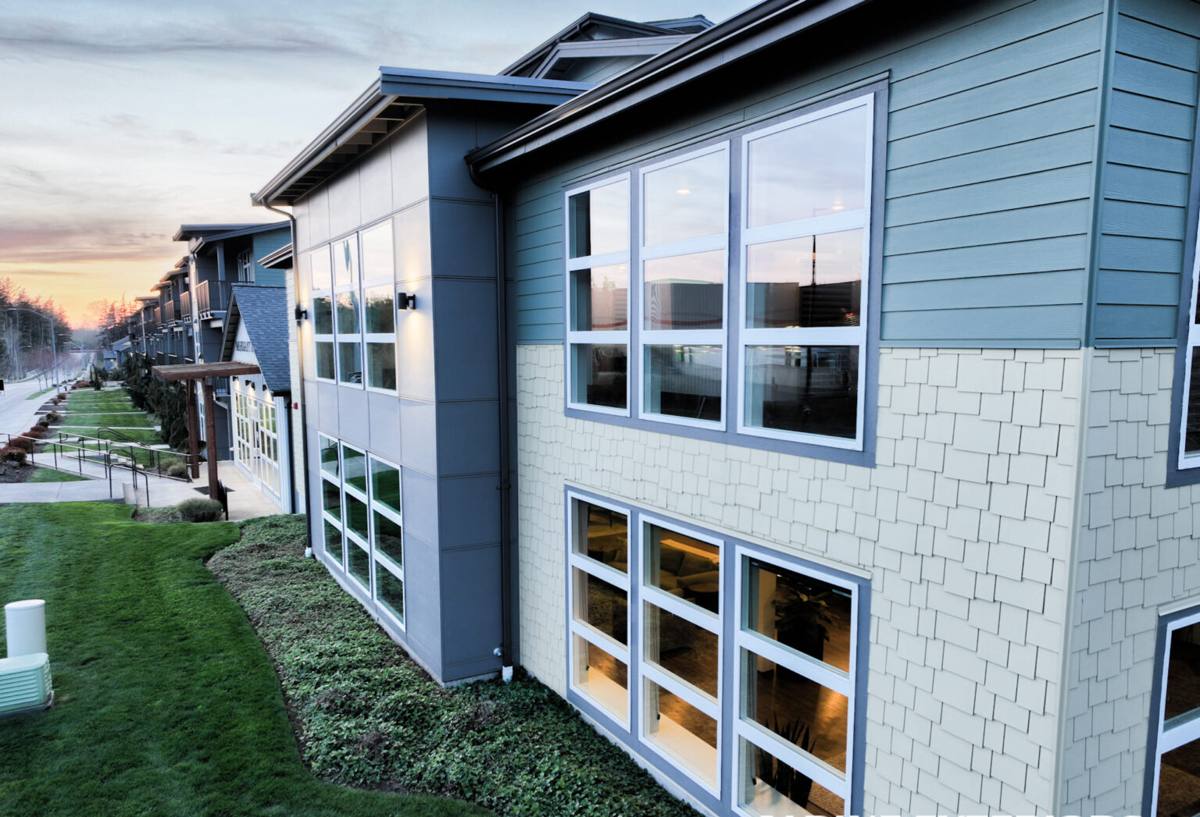
What "James Hardie Siding" Actually Means
Fiber Cement, Not a Coating or a Plastic Panel
James Hardie siding is fiber cement — a mix of cellulose fiber, sand, and Portland cement, cured into a dense, rigid board. It doesn't melt in direct summer sun the way vinyl can, it doesn't rot, and it's non-combustible, which matters for insurance underwriting as much as for safety. It holds paint and factory finish far longer than wood-based siding because it isn't absorbing and releasing moisture the way organic materials do.
HardieZone HZ10: Engineered for Climates Like Ours
James Hardie builds its products to different regional specifications through what it calls the HardieZone system. Homes in Florida and along the Gulf Coast fall under the HZ10 engineering, which is formulated specifically for high-humidity, high-moisture climates — different from the HZ5 formulation used in drier, colder parts of the country. That distinction matters. A board engineered for the Southeast holds up differently than one engineered for the Midwest, and it's part of why we only order and install the product line that's actually rated for Hillsborough County conditions.
What a Correct Installation Involves in Brandon
Fiber cement siding is only as good as the installation behind it. Most of the "Hardie siding failed" stories you hear trace back to installation shortcuts, not the product itself. A correct job in this climate means:
Moisture Management Comes First
Proper house wrap, correctly lapped and sealed flashing around every window, door, and penetration, and a drainage plane that lets any incidental moisture escape instead of getting trapped behind the siding. In a climate with this much humidity and wind-driven rain, the flashing details matter more than the siding brand.
Fastening Patterns Built for Wind
Fiber cement has to be fastened according to manufacturer specifications for the wind exposure of the specific home — fastener type, spacing, and placement all change based on how exposed the wall is. Skipping or guessing on this is one of the most common corner-cutting mistakes we see when we're asked to look at a botched install.
Clearances That Prevent Rot at the Edges
Siding needs proper clearance from the roofline, grade, decks, and patios — usually measured in inches, not touching. Get this wrong and you create a spot where water sits against the bottom edge of the board, which is where problems start even on a good product.
Caulking and Joint Treatment Done Right
Butt joints, corners, and trim intersections need to be treated correctly — the wrong sealant, or sealant applied to a joint that should be left to breathe, causes more callbacks than almost anything else in this trade.
Signs a Brandon Home's Siding Is Already Behind
A lot of homeowners in Brandon are living with siding that's quietly failed for a while before it becomes obvious. Common warning signs we see on older homes in the area include:
- Visible warping, bubbling, or soft spots, especially on wood or engineered wood siding
- Chalking or fading paint that no longer sheds water evenly
- Cracked or brittle panels after repeated summer heat cycles
- Gaps opening up at seams, corners, or trim after storm season
- Rising utility bills that point to a wall assembly no longer sealing the home properly
- Visible rust streaking from fasteners, a sign of corrosion working from the inside out
Any one of these is worth a look. Left alone through another hurricane season, minor issues turn into sheathing and framing repairs, which is a much bigger job than a siding replacement.
Our Installation Process for Brandon Homes
- On-site assessment. We look at the current siding, the substrate underneath, and any moisture or rot issues before quoting anything — you can't price a correct job without knowing what's behind the existing wall.
- Product and profile selection. HardiePlank lap siding, board-and-batten, or shingle-style panels, in the HZ10 formulation, matched to the home's style and your color preference.
- Tear-off and substrate prep. Removing the old siding is when hidden rot or water damage shows up — we address it before anything new goes on the wall, not after.
- House wrap and flashing. This is the step that determines whether the siding lasts fifteen years or fifty. We don't skip it and we don't rush it.
- Installation to manufacturer wind-load and fastening specification. Fastener spacing and placement set for the specific exposure of your home, not a generic pattern.
- Trim, joints, and final detailing. Proper caulking, corner treatment, and finish work around windows, doors, and rooflines.
- Final walkthrough. We go over the finished job with you before we consider it done.
Cost Factors on a Brandon James Hardie Project
Every home is different, and we don't quote sight-unseen, but these are the factors that actually move the number on a Brandon job:
| Cost Factor | What Drives It Locally |
|---|---|
| Home size and story count | More square footage and second-story access both add labor time |
| Condition of existing siding and sheathing | Storm or moisture damage found during tear-off often needs repair before new siding goes on |
| Product line and profile | Lap siding, board-and-batten, and shingle-style panels carry different material and labor costs |
| Color choice | Factory-applied ColorPlus finish vs. field-painted after installation affects both cost and long-term durability |
| Trim and accessory work | Fascia, soffit, and window trim replacement done alongside siding adds scope but avoids a mismatched patchwork later |
| Site access | Landscaping, fencing, or tight lot lines around the home can affect crew efficiency |
Why a Crew That Already Works in Brandon Matters
Brandon isn't a stop on the way to somewhere else for us — it's an area we already work in regularly, and that shows up in ways homeowners notice. We're familiar with Hillsborough County permitting requirements for exterior work, we know how the housing stock in the area was typically built and what tends to be hiding behind the old siding on homes of a certain age, and we're not learning the local wind and moisture conditions on your project. A crew that's installed Hardie siding on other homes in the same area brings that experience to your job instead of starting from scratch.
It also means faster response for material lead times, follow-up, or warranty questions after the job is done — you're not waiting on a contractor who has to drive across the region to get back to you.
ColorPlus Finish, Warranty, and What Maintenance Actually Looks Like
James Hardie's ColorPlus technology is a factory-applied, baked-on finish that resists fading and chipping far better than a job-site paint job, which matters in a climate that gets this much direct UV exposure year-round. It comes backed by a finish warranty separate from the product's substrate warranty, and the color is engineered to hold up to the kind of sun exposure Tampa Bay homes see for most of the year.
Maintenance on a correctly installed Hardie system is modest: periodic rinsing to clear salt residue and pollen buildup, a visual check after major storms for any impact damage or lifted trim, and re-caulking joints on the manufacturer's recommended schedule. It's a fraction of the upkeep wood siding demands and doesn't carry the heat-related failure risk vinyl does in direct summer sun.
Checklist: What to Ask Before You Hire a Siding Contractor in Brandon
- Are they installing the HZ10 product formulation specified for Florida, not a generic version?
- Will they show you the fastening and flashing plan before work starts, not just after?
- Do they handle the permitting process for Hillsborough County exterior work?
- What's included in writing — trim, tear-off, disposal, and any substrate repair?
- Who's actually on the crew doing the install, and how much fiber cement experience do they have?
- What does the warranty cover, and is it transferable if you sell the home?
If your Brandon home's siding is showing its age, or you're planning ahead of the next storm season, we're happy to take a look and put together a straightforward, no-pressure estimate — no obligation, just an honest read on what your home actually needs.