 Tampa Siding
 Metal Roofing Built for Land O' Lakes Conditions
Land O' Lakes has grown fast over the last decade, and a lot of that growth means roofs that were specified for a builder's budget, not for the decades of Tampa Bay weather they'll actually face. When homeowners here start looking at metal roofing, it's usually for one of two reasons: their asphalt shingles are aging out faster than expected, or they're tired of re-doing repairs after every storm season. Metal is a legitimate long-term answer to both problems, but only when it's specified and installed correctly for this specific area. A metal roof cut and fastened the same way you'd do it in a drier, calmer climate will underperform here — sometimes within a few years.
This page covers what a metal roof actually needs to hold up on a Land O' Lakes home, what a correct installation looks like from the deck up, and why local installation experience isn't just a marketing line — it changes how the job gets built.
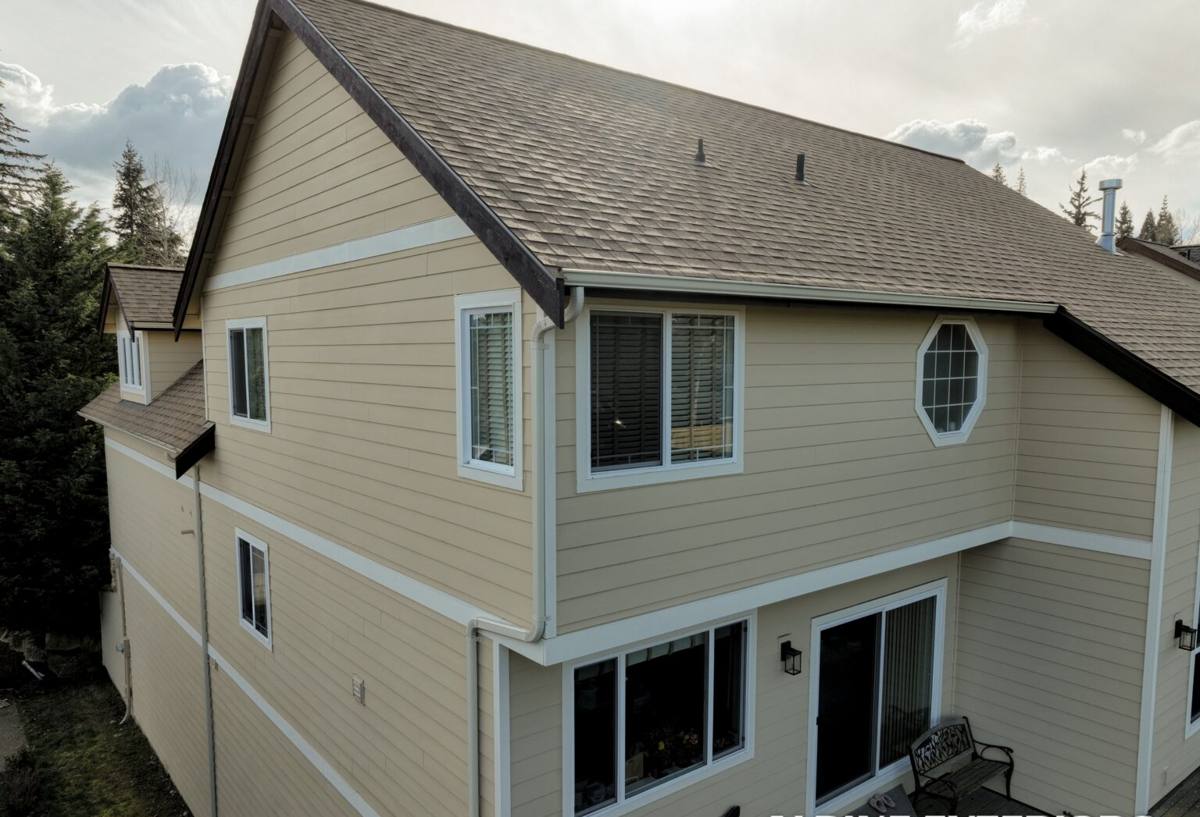
What Tampa Bay Weather Does to a Roof Over Time
Land O' Lakes sits in the broader Tampa Bay region, and that means the roof over your head is dealing with several stressors at once, year-round, not just during a named storm.
Hurricane-Force and Straight-Line Wind
Wind is the single biggest threat to a roof system here, and most wind failures don't start with the panels — they start at the edges, the flashing, and the fastener pattern. Uplift pressure is highest at ridges, eaves, and rakes, which is exactly where a rushed installation cuts corners.
Intense, Year-Round UV
Florida sun doesn't take a season off. UV exposure breaks down sealants, degrades paint finishes, and accelerates aging on any roofing material that isn't rated for it. Cheaper coil coatings chalk and fade noticeably faster under this kind of sun load.
Wind-Driven Rain
It's not the rain itself that causes most leaks — it's rain being pushed sideways and upward under panels and flashing during a storm. A roof that sheds water fine in a calm, straight-down rain can still leak badly in a wind-driven event if the underlayment and flashing details weren't built for it.
Salt Air
Land O' Lakes is inland relative to the coast, but Tampa Bay's salt air still travels on prevailing winds and affects fastener corrosion, panel coatings, and any exposed metal hardware over the life of the roof. It's a slower process than on a beachfront home, but it's real, and it's one more reason to spec quality fasteners and finishes rather than the cheapest available option.
What a Correct Metal Roof Installation Actually Involves
A metal roof is only as good as what's underneath it and how it's attached. Here's what we consider non-negotiable on every metal roofing job we do in this area.
Deck Inspection and Repair
Before any panel goes down, the roof deck gets inspected for soft spots, rot, and delamination — especially around old vent penetrations and valleys. Panels installed over a compromised deck will eventually telegraph that problem back to the surface, and fasteners won't hold properly in weak wood.
Underlayment Selection
We use synthetic or self-adhered underlayment rated for high-heat, high-humidity climates, with extra attention to eaves, valleys, and any low-slope transitions where wind-driven rain is most likely to test the system.
Fastening Pattern and Uplift Rating
Fastener spacing isn't one-size-fits-all — it's determined by panel type, roof geometry, and the wind uplift rating required for this part of Florida. Ridges, hips, and edges get tighter fastening patterns because that's where wind load concentrates first.
Flashing and Penetration Details
Every chimney, vent stack, skylight curb, and wall transition is a place where two different materials meet, and that's where leaks actually start. Flashing has to be formed, layered, and sealed correctly — not just caulked and hoped for.
Ventilation
A metal roof performs better, and lasts longer, when the attic underneath it is properly ventilated. Poor ventilation traps heat and moisture, which works against the roof from the inside instead of the outside.
Comparing Metal Roofing Panel Types
Not every metal roofing system is built the same way, and the right choice depends on your roof's slope, your budget, and how long you want to go before any maintenance is needed.
| Panel Type | Best For | Maintenance Level | Typical Lifespan |
|---|---|---|---|
| Standing Seam | Most Land O' Lakes homes; hidden fasteners | Low | 40–70 years |
| Exposed Fastener Panels | Budget-conscious projects, outbuildings | Moderate (fastener checks every few years) | 25–40 years |
| Metal Shingles/Tiles | Homes wanting a traditional shingle or tile look | Low to moderate | 30–50 years |
Standing seam is what we recommend most often here specifically because its concealed fastener system removes the exposed screw heads that are the first thing salt air and UV go after. Exposed fastener panels cost less up front, but the visible fasteners need periodic inspection and eventual re-torquing or replacement of washers, which is worth knowing before you choose based on price alone.
What Drives the Cost of a Metal Roof
We won't quote a number without seeing the roof, but these are the factors that actually move the price, so you can ask informed questions when comparing estimates.
| Cost Factor | Why It Matters |
|---|---|
| Panel type and gauge | Heavier gauge and standing seam systems cost more but need less upkeep |
| Roof complexity | Valleys, dormers, and multiple roof planes add flashing and labor time |
| Deck condition | Rot or soft decking found during tear-off adds repair cost before installation |
| Underlayment quality | Better underlayment adds upfront cost but improves wind and water performance |
| Ventilation upgrades | Adding or correcting attic ventilation is often bundled into a re-roof |
As a general range, metal roofing typically runs higher than architectural shingles up front, but the gap narrows considerably when you factor in shingle replacement cycles versus the decades a well-installed metal roof can go without a full re-roof. We'll walk through the real numbers for your specific roof during the estimate — broad ranges online rarely mean much once your roof's actual size and complexity are factored in.
Our Process, Start to Finish
- On-site inspection: We walk the roof, check the deck where accessible, and look at existing flashing, ventilation, and any problem areas you've noticed.
- Honest scope and estimate: You get a clear breakdown of what's needed and why — not just a total number.
- Material selection: We go over panel type, gauge, and finish color based on your roof and your budget.
- Tear-off and deck repair: Old roofing comes off, the deck is inspected, and any soft or damaged sections are replaced before anything new goes down.
- Underlayment and flashing installation: This is the part that determines whether the roof actually resists wind-driven rain, done before a single panel is installed.
- Panel installation: Fastened to the pattern required for this area's wind exposure, with attention to ridges, hips, and edges.
- Final walkthrough and cleanup: We check every penetration and seam, do a magnetic sweep for stray fasteners, and clear the site.
Maintaining a Metal Roof in This Climate
Metal roofing is low-maintenance, not no-maintenance. A short annual check catches small issues before they become expensive ones.
- Visually inspect for loose or lifted panel edges after any major storm
- Check exposed fasteners (if applicable) for corrosion or backing out
- Clear leaves and debris from valleys and around penetrations
- Look for streaking or staining near flashing, which can signal a developing leak
- Confirm attic ventilation isn't blocked by insulation or debris
- Have a professional inspection after any storm with sustained high winds
Why Local Installation Experience Matters
Metal roofing manufacturers publish wind ratings and installation specs, but those specs assume correct execution — and execution is where quality varies most between contractors. A crew that regularly works roofs in Land O' Lakes and the surrounding Tampa Bay area already knows which fastening patterns hold up here, which underlayment choices actually perform in our humidity and heat, and where wind-driven rain tends to find weak points on the roof types common in this area. That's not something you can fully substitute with a spec sheet, and it's the difference between a metal roof that performs for decades and one that needs early repairs.
We're a Hillsborough County-based crew that works throughout the Tampa Bay area, including Land O' Lakes, and we stand behind our workmanship because we're the ones who'll be back if something needs attention.
Is Metal Roofing Right for Your Home?
Metal isn't automatically the right call for every roof or every budget, and we'll tell you honestly if a different approach makes more sense for your situation. Homes planning to stay put long-term, homes with frequent shingle repair issues, and homes wanting stronger wind and hail resistance tend to see the best return from metal. If you're weighing options or just want a clear-eyed second opinion, that's exactly what the inspection is for.
If you're considering metal roofing for your Land O' Lakes home, we're happy to take a look and give you a straightforward, no-pressure estimate — fill out the form below and we'll get in touch.