 Tampa Siding
 Roof Repair in Land O' Lakes: What Local Homes Are Up Against
Land O' Lakes sits in Pasco County, just north of Tampa and Hillsborough County, and the roofs out here take the same beating as anywhere in the Tampa Bay region — they just show it in slightly different ways depending on the age and style of the neighborhood. Between the intense, near-daily UV exposure, the wind-driven rain that comes through during summer storms and hurricane season, and the humidity that never really lets a roof dry out completely, Central Florida roofs age faster than most homeowners expect. A roof that would last 25 years in a milder climate can start showing real wear at 15 in this part of the state.
Roof repair here isn't just about patching a leak and moving on. It's about understanding why that spot failed first — UV breakdown of the shingle mat, a flashing detail that was never quite right, wind that lifted a tab just enough to let water in, or a roof-to-wall transition that's been fighting humidity for a decade. We've been doing repair work on Tampa-area roofs long enough to know that the fix has to address the cause, not just the symptom, or you're back up on that roof again in a year or two.
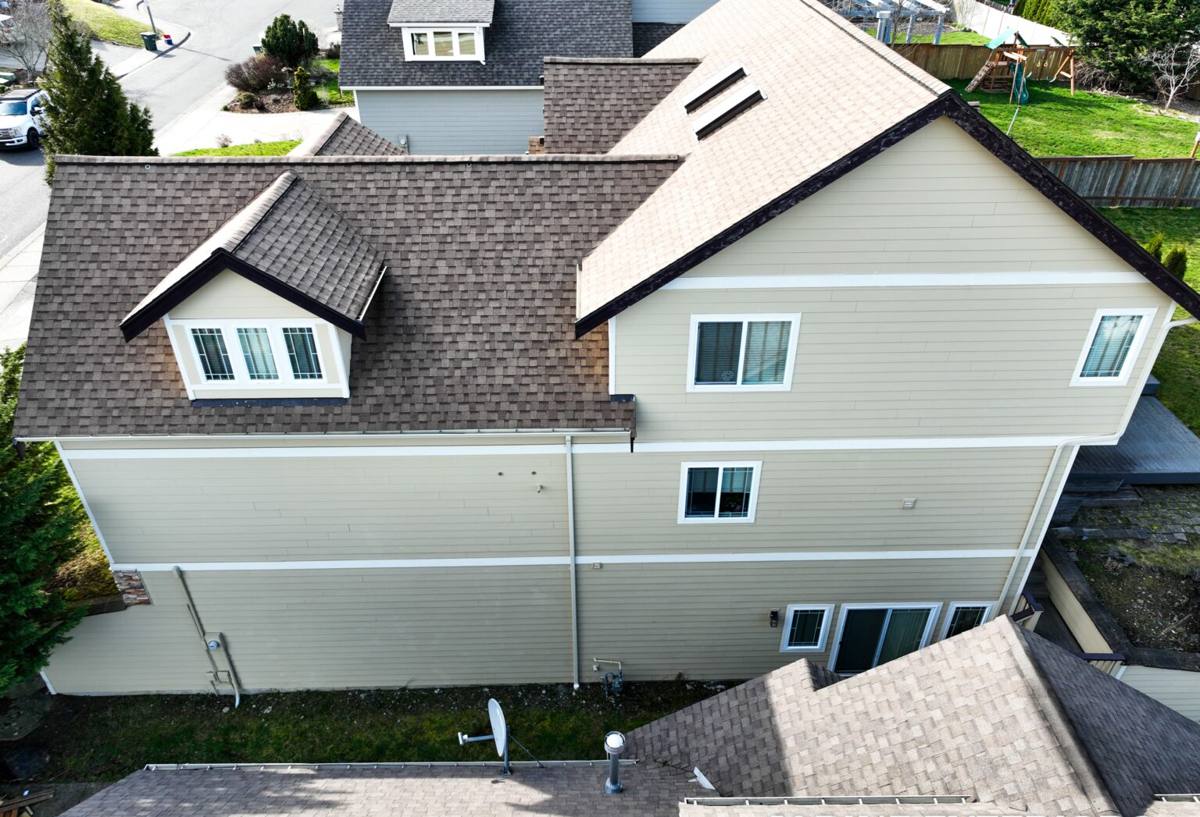
Common Roof Problems We See in Land O' Lakes Homes
Shingle Wear From Sun and Heat
Asphalt shingles lose their granules and get brittle faster under Florida's UV load than almost anywhere else in the country. Once a shingle mat starts cracking or curling, it's no longer doing its job even if the roof "looks fine" from the ground. Repair at this stage usually means replacing the affected shingles and checking the surrounding field for early signs of the same wear.
Flashing and Roof-to-Wall Failures
Most leaks we trace back aren't coming through the shingles or tiles themselves — they're coming through flashing around chimneys, skylights, plumbing vents, and roof-to-wall transitions. These are the details that get rushed on a lower-cost install, and they're the first thing to fail when wind-driven rain hits at an angle instead of falling straight down.
Wind and Storm Damage
Hurricane-force winds and the tropical storms that pass through most seasons can lift shingle tabs, crack or shift roof tiles, and tear at ridge caps and edge metal. Sometimes the damage is obvious after a storm. Just as often, it's a handful of lifted or displaced pieces that don't leak right away but leave an opening for the next round of wind-driven rain.
Tile Roof Issues
A lot of newer construction and HOA communities in the Land O' Lakes area use concrete or clay tile roofing. Tile itself holds up well, but the underlayment beneath it — the actual waterproofing layer — has a service life, and it's hidden. Cracked, slipped, or broken tiles are usually a quick fix; underlayment that's reached the end of its life is a bigger conversation, and we'll always tell you honestly which one you're dealing with.
Ventilation and Trapped Moisture
Poor attic ventilation traps heat and humidity against the underside of the roof deck, which accelerates shingle aging from below and can lead to deck rot you won't see until it's advanced. It's an easy thing to overlook during a repair, and an easy thing for us to check while we're already up there.
What a Correct Roof Repair Actually Involves
A repair done right starts with figuring out exactly where water is getting in — which isn't always where the stain shows up inside the house, since water can travel along the deck before it drips. From there, a proper repair means:
- Removing damaged shingles, tiles, or underlayment back to solid, dry material — not just covering over the problem spot
- Replacing flashing rather than re-sealing it with caulk or roofing cement as a permanent fix
- Matching shingle or tile material as closely as possible so the repair blends in and performs the same as the surrounding roof
- Checking and reattaching underlayment with correct overlap so water sheds the way it's designed to
- Securing everything to current wind-resistance standards, not just however it was originally installed
- Confirming the deck underneath is sound before anything goes back down
Sealant and roofing cement have their place, but they're a short-term patch, not a repair. If a crew's plan for a leak is "caulk it and see," that's a sign the underlying cause hasn't actually been identified.
Our Repair Process, Start to Finish
- Inspection. We get on the roof (or use a camera where access is limited) and trace the actual source of the problem, not just the visible symptom.
- Honest diagnosis. We'll tell you plainly whether this is a straightforward repair, a larger repair, or a sign the roof is closer to needing replacement — and explain why.
- Written estimate. You get a clear scope of work and price before anything happens, no vague verbal quotes.
- The repair. Materials matched, flashing done properly, deck checked, everything fastened to hold up against wind and rain.
- Cleanup and walkthrough. We clear debris and nails from the property and show you what was done.
- Documentation. You get records of the work — useful for your own files and often necessary if you ever file an insurance claim for storm damage.
Roof Repair vs. Roof Replacement: How We Help You Decide
Not every roof problem needs a full replacement, and we're not going to tell you it does. But there's a point where repeated repairs cost more over time than replacing the roof once. Here's generally how we think about it:
| Situation | Repair Usually Makes Sense | Replacement Worth Considering |
|---|---|---|
| Roof age | Under 12–15 years, single isolated issue | Nearing or past expected service life for the material |
| Extent of damage | Localized — one leak, one storm-damaged section | Widespread wear, multiple leak points, or granule loss across the field |
| Underlayment condition | Still sound; only the surface layer is affected | Deteriorated or original underlayment nearing end of life |
| Repair history | First or second repair on this roof | Repeated repairs to the same or nearby areas |
| Deck condition | Solid, dry decking under the damaged area | Soft spots or rot found during inspection |
We'll walk you through where your roof falls on that list and let you make the call with real information, not pressure.
Cost Factors for Roof Repair in Land O' Lakes
Every roof repair is priced based on what's actually needed, but the factors that move the number are pretty consistent. A small, accessible shingle repair might run in the low hundreds of dollars, while a repair involving flashing replacement, tile work, or extensive storm damage can run well into the thousands. The honest range depends on these variables:
| Factor | Why It Matters |
|---|---|
| Roof material | Tile and specialty materials generally cost more to source and work with than standard asphalt shingles |
| Size of the affected area | A single lifted shingle costs far less to fix than a wind-damaged section spanning multiple slopes |
| Roof pitch and accessibility | Steep or hard-to-reach roofs take more time and safety setup |
| Underlying deck condition | Rotted or soft decking has to be replaced before anything else goes back down |
| Flashing complexity | Repairs around chimneys, skylights, and multiple roof planes take more labor than open field repairs |
| Permitting requirements | Larger repairs may require a permit through Pasco County, which adds a step but protects you |
Why Hiring a Crew That Already Works in Land O' Lakes Matters
Roofing rules and permitting requirements vary by county, and Pasco County's process isn't identical to Hillsborough's next door. A crew that regularly works this area already knows what's required for a repair permit here, what inspectors are looking for, and how local wind-resistance codes apply to repair work versus new construction. That's not a small thing — getting it wrong can mean delays or a repair that doesn't hold up to code review.
There's also a practical side to being local. After a storm rolls through the Tampa Bay area, response time matters — a tarped roof left exposed for days invites more water damage than the original storm caused. A crew based nearby can get eyes on your roof faster and isn't juggling travel time across the region to reach you.
Finally, familiarity with the area's housing stock helps. Land O' Lakes has a mix of established homes and newer construction, shingle and tile roofing, and knowing what's typical for a given age of home or neighborhood helps us diagnose problems faster and avoid surprises mid-repair.
Keeping a Repaired Roof Ahead of Florida Weather
A good repair buys you time, but a little attention between storms buys you more. After any repair, and a couple of times a year generally, it's worth checking:
- Gutters and downspouts are clear, especially before hurricane season starts
- No shingles, tiles, or ridge caps look lifted, cracked, or out of place after a windy stretch
- Flashing around chimneys, vents, and skylights still looks sealed and intact
- Attic space smells and feels dry, with no signs of staining on the underside of the deck
- Tree limbs near the roofline are trimmed back so they can't scrape or drop on the surface
- Any granule buildup in gutters is noted — heavy shedding can mean shingles are aging faster than expected
Catching a small issue during a quick check is a lot cheaper and easier than dealing with interior water damage after it's been going on unnoticed.
If you're dealing with a leak, storm damage, or just want an honest read on where your roof stands, we're happy to take a look. Reach out for a free, no-pressure estimate using the form below — we'll tell you straight what we find and what it would take to fix it right.