 Tampa Siding
 Why Siding Choice Matters More in Riverview Than in Most Places
Riverview sits in Hillsborough County, close enough to Tampa Bay that homes here deal with the full range of what Gulf Coast weather can throw at an exterior: long stretches of intense UV exposure, heavy summer humidity, wind-driven rain that finds every gap in a wall system, and periodic hurricane-force winds that test every fastener and seam. Siding in this area isn't just a cosmetic choice — it's the first line of defense for the wall assembly behind it. A product or installation that would hold up fine in a milder climate can fail here in a fraction of the time.
This page focuses on one thing: what it takes to do James Hardie fiber cement siding correctly on a Riverview home, and why that's the only siding system we install, anywhere in the Tampa area.
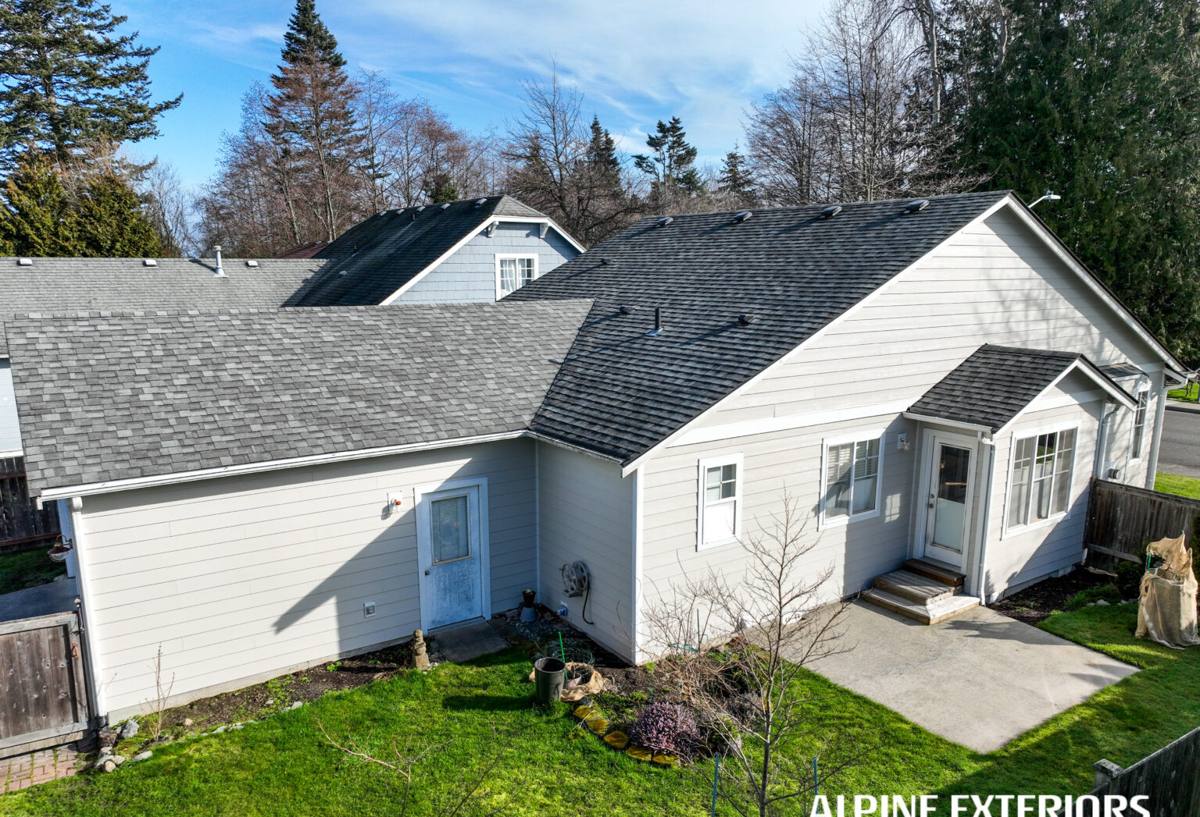
What Tampa Bay's Climate Actually Does to Siding
Heat and UV
Florida sun is relentless, and it's not just about fading. Constant UV and thermal cycling — hot days, cooler nights, repeated expansion and contraction — stresses paint film, seams, and any material that isn't dimensionally stable. Products that rely on a surface coating rather than a factory-cured finish tend to chalk, fade unevenly, or crack at the seams years before a homeowner expects to repaint.
Humidity and Moisture
Hillsborough County's humidity doesn't let up for months at a time. Any siding material that absorbs moisture — or any installation that traps it behind the cladding — sets up conditions for rot, mold, and swelling. This is as much about installation detail (housewrap, flashing, drainage gaps) as it is about the siding material itself.
Wind and Wind-Driven Rain
Riverview isn't directly on the coast, but it's well within range of hurricane-force winds during tropical systems, and wind-driven rain during those events gets pushed sideways into walls, not just down from above. Fastening patterns, joint treatment, and flashing details that would pass in a calmer climate aren't adequate here.
Salt Air
Even away from the immediate coastline, Tampa Bay's proximity means airborne salt reaches inland communities like Riverview, especially after storms. Salt accelerates corrosion on fasteners and trim and degrades finishes that aren't built to resist it.
Why We Install Only James Hardie Fiber Cement
We don't install LP SmartSide, vinyl, Cemplank, Allura, or primed wood siding. That's a deliberate standard, not an oversight. James Hardie is a fiber cement product — a mix of cement, sand, and cellulose fibers — which means it doesn't absorb water the way wood-based products can, and it's non-combustible, which matters in a state where lightning and wildfire risk are both real considerations. For Riverview specifically, we specify Hardie's HZ5 climate-engineered formulation, built for the moisture and humidity conditions of the Gulf and Southeast.
The other piece is the finish. Hardie's ColorPlus technology is a factory-applied, baked-on finish, not a field-applied paint coat. That matters in a UV-heavy climate: a factory finish resists fading and chalking far longer than site-applied paint, and it comes with its own finish warranty backed by the manufacturer. Combined with Hardie's product warranty on the siding itself, homeowners get coverage that's transferable if the home sells — a real consideration in a fast-growing area like Riverview where turnover is common.
What a Correct James Hardie Installation Involves
Fiber cement siding is only as good as the installation behind it. Hardie publishes detailed installation instructions, and following them — not "close enough" — is what makes the difference between siding that performs for decades and siding that causes problems in five years.
Water Management First
Before a single board goes up, the wall needs a proper weather-resistive barrier, correctly lapped and taped, with flashing at every window, door, and penetration. In a climate with wind-driven rain, this layer is doing as much work as the siding itself.
Clearances and Gaps
Hardie specifies minimum clearances from roof lines, decks, and grade, and gaps at butt joints to allow for expansion. Skipping these is one of the most common corner-cutting mistakes we see, and it's a direct cause of moisture intrusion and premature paint failure.
Fastening
Corrosion-resistant fasteners, correct placement, and correct penetration depth all matter — especially given salt air exposure. Under-driven or over-driven nails compromise wind resistance and can crack the board.
Joint and Seam Treatment
Caulking, joint flashing, and proper board overlap keep wind-driven rain from working its way behind the siding during storms. These are small details that are easy to rush and expensive to fix later.
| Installation Detail | Done to Spec | Common Shortcut |
|---|---|---|
| Weather barrier | Fully lapped, taped, flashed at all penetrations | Stapled loosely, gaps left at seams |
| Board clearance | Manufacturer minimums maintained at grade, roofline, deck | Boards run tight to grade or roofing |
| Fasteners | Corrosion-resistant, correct depth and spacing | Standard fasteners, inconsistent depth |
| Joints | Properly gapped and sealed per spec | Butted tight with no expansion allowance |
Our Process for a Riverview Siding Project
The process is the same discipline on every job, adjusted for the specific home:
- On-site evaluation of the existing exterior, wall condition, and any moisture or rot issues found once old siding comes off.
- A written estimate that specifies the Hardie product line, profile, and color — no vague allowances.
- Removal of old siding and inspection/repair of sheathing before anything new goes on.
- Installation of the weather-resistive barrier and flashing details first, since this is what actually keeps water out.
- Hardie board installation to manufacturer spec, including fastening, clearances, and joint treatment.
- Final trim, caulking, and a walkthrough before we consider the job done.
James Hardie Product Lines That Fit This Area
Most Riverview homes work well with one of a few Hardie configurations, chosen based on the home's style and existing trim:
- HardiePlank lap siding — the most common choice, available in multiple exposure widths and textures, and the closest match to traditional horizontal siding.
- HardiePanel vertical siding — often used as an accent on gables or modern-style facades.
- HardieShingle — for homes wanting a shingle-style accent look without the maintenance of wood shingles.
- HardieTrim — matched trim boards so the whole exterior is a consistent, non-combustible fiber cement system rather than mixing materials.
All of these are available in ColorPlus factory finishes, which for this climate is the difference between a repaint in a few years and a finish that holds its color for a long time with minimal upkeep.
Cost Factors for a Riverview Siding Project
Every home is different, but the main variables that move the price are consistent:
| Factor | Why It Matters |
|---|---|
| Home size and wall complexity | More corners, gables, and dormers mean more cutting, flashing, and labor |
| Condition of existing sheathing | Rot or water damage found during tear-off adds repair scope |
| Product line and profile | Plank, panel, and shingle profiles carry different material costs |
| Trim scope | Full HardieTrim packages cost more than matching only what's necessary |
| Color and finish | Standard ColorPlus color range vs. custom or premium finishes |
We give a written, itemized estimate before any work starts, so homeowners know exactly what they're paying for and why.
Why It Matters to Hire a Crew That Already Works in Riverview
A crew that regularly works in this part of Hillsborough County already knows the local permitting requirements, the wind-load and code expectations that apply here, and the kinds of wall conditions common to homes in the area. That familiarity shortens the guesswork on inspections and reduces the chance of surprises mid-project. It also means we're not learning Florida's building code and wind-zone requirements on someone's home for the first time — those requirements exist specifically because of the storm exposure this region deals with, and they're not optional details.
Caring for Hardie Siding After Installation
One advantage of fiber cement over wood-based or vinyl alternatives is how little ongoing maintenance it needs when installed correctly. Still, a few habits keep it performing well through Tampa Bay's weather cycles:
- Rinse the exterior periodically to clear salt residue and airborne debris, especially after storms.
- Keep gutters and downspouts clear so water isn't overflowing onto the siding.
- Trim vegetation back from walls to maintain airflow and reduce moisture buildup.
- Inspect caulking at trim and joints every year or two and re-caulk if it's cracking or pulling away.
- Address any impact damage promptly rather than letting a cracked board sit exposed to moisture.
If you're planning a siding project in Riverview and want a straight answer on what your home actually needs, we're happy to take a look and put together a free, no-pressure estimate — no obligation either way.