 Tampa Siding
 Riverview's Climate Is Hard on Siding — Here's What That Means for Your Home
Riverview sits inland from Tampa Bay but still takes the full brunt of Central Florida's weather cycle: months of intense, direct UV exposure, sudden downpours that drive rain sideways into wall assemblies, and the threat of hurricane-force wind gusts every storm season. Add in the humidity that never really lets up and the salt-laden air that carries inland from the Gulf on prevailing winds, and you have a climate that punishes any siding product with a weak point. Homes here don't fail because owners neglected them — they fail because the siding, the flashing, or the installation wasn't built for this specific combination of stressors.
That's the lens we bring to every siding installation job in Riverview. It's not a generic exterior upgrade — it's a system that has to keep water out during a summer squall, hold its color under a Florida sun that bleaches cheaper paint jobs in a few years, and stay fastened to the wall when a tropical system rolls through Hillsborough County.
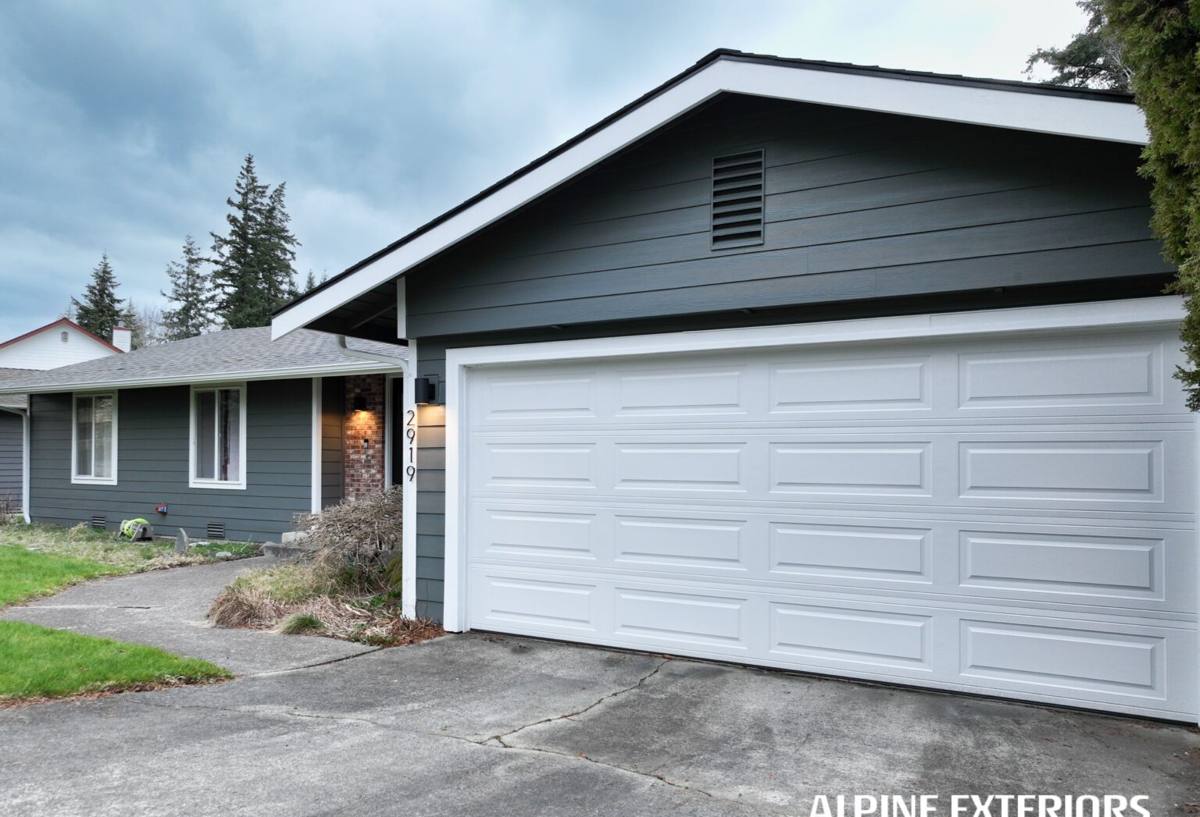
What Correct Siding Installation Actually Involves
A siding job that looks right from the curb can still be wrong underneath. The board is only one layer of a multi-part water management system, and in a wet, wind-driven climate like ours, the layers you can't see matter as much as the ones you can.
The Water-Resistive Barrier
Every wall gets a continuous, correctly lapped weather-resistive barrier before a single piece of siding goes up. Seams are taped, penetrations are sealed, and the barrier is integrated with window and door flashing so water has nowhere to go but down and out — never behind the wall assembly.
Flashing at Every Penetration
Windows, doors, hose bibs, light fixtures, dryer vents — anything that punches through the siding is a potential entry point for wind-driven rain. Each one gets proper flashing, installed in the correct shingle-lap order, so water sheds outward at every transition instead of pooling against the substrate.
Fastening Built for Wind Load
Hillsborough County's wind-load requirements exist for a reason. Fastener type, spacing, and embedment depth all have to match the manufacturer's engineering specs for our wind zone — not a generic "close enough" pattern. Under-fastened siding is one of the most common causes of storm damage we see, and it's completely preventable.
Clearance and Ventilation
Siding installed too close to grade, a patio slab, or roofline traps moisture against the bottom edge of the board and invites rot at the substrate, regardless of how good the siding itself is. Correct clearances and back-ventilation where called for keep the wall assembly able to dry out between storms.
Why We Install Only James Hardie Fiber Cement
We made a deliberate decision as a company to install one product line — James Hardie fiber cement — and nothing else. Not vinyl, not LP SmartSide, not Cemplank or Allura, not primed spruce or cedar. That's not a marketing angle; it's a standard we hold because of what we've seen happen to other products in exactly this climate.
Vinyl siding softens, warps, and can pull away from fasteners under sustained high heat and direct sun — the same conditions Riverview gets for most of the year. Engineered wood products like LP SmartSide perform well in drier climates but are more sensitive to sustained moisture exposure, and Florida's humidity and wind-driven rain give them fewer chances to fully dry out between wet cycles. Other fiber cement brands make a reasonable product, but we've standardized on Hardie specifically because of its ColorPlus factory-applied finish (baked-on color that resists Florida UV fade far longer than field-applied paint), its HZ5 product line engineered for exactly this humidity and moisture profile, and a warranty structure that's stronger and more consistently honored than most alternatives.
Fiber cement itself is also non-combustible, resists wind-driven rain intrusion far better than vinyl's overlapping-panel design, and doesn't attract the wood-destroying insects that remain a year-round concern in this part of Florida. When we say we only install Hardie, we mean we've looked at the trade-offs across every major siding product on the market and concluded this is the one that holds up on Riverview homes for decades, not years.
Our Installation Process, Start to Finish
- On-site assessment. We inspect your existing siding, sheathing, and any problem areas — soft spots, past water intrusion, poor flashing — before quoting anything.
- Tear-off and substrate check. Old siding comes off and we inspect the sheathing underneath. Any rot or damage gets addressed before new material goes up — covering a bad substrate just hides the problem.
- Weather-resistive barrier installation. A continuous, correctly lapped barrier goes on with all seams and penetrations sealed.
- Flashing integration. Windows, doors, and all penetrations are flashed in proper shingle-lap sequence.
- Hardie installation to manufacturer spec. Fastener pattern, spacing, and clearances follow James Hardie's published specifications for our wind zone and climate zone — not a shortcut version.
- Trim, caulking, and final inspection. Joints are sealed with a product rated for exterior exposure, and we walk the finished job looking for anything that isn't right before we call it done.
Signs Your Riverview Home May Need New Siding
- Visible warping, buckling, or panels that have pulled away from the wall
- Soft or spongy spots when you press on the siding, especially near the bottom edge
- Paint that's peeling, bubbling, or fading unevenly across the wall
- Cracks or gaps around window and door trim
- Rising energy bills with no other explanation — poor siding and weak barriers let conditioned air escape
- Visible mold, mildew, or persistent moisture staining on exterior walls
- Siding that's more than 20-25 years old, especially if it's never been fully inspected
Any one of these on its own isn't necessarily an emergency, but in combination — or left unaddressed through a few more storm seasons — they compound quickly in this climate.
What Drives the Cost of a Siding Installation
Every home is different, so we won't quote a number without seeing the house, but these are the main factors that move the price up or down:
| Factor | Why It Matters |
|---|---|
| Home size and wall complexity | More square footage and more corners, gables, and dormers mean more cutting, fitting, and flashing detail |
| Substrate condition | Rotted or damaged sheathing found during tear-off adds repair work before new siding can go up |
| Siding profile and trim selection | Lap width, shake-style panels, and trim board choices affect both material cost and install time |
| Color and finish | ColorPlus factory finishes vs. field-applied paint carry different upfront costs and long-term maintenance |
| Access and site conditions | Multi-story sections, tight lot lines, or landscaping that limits staging area affect labor time |
| Tear-off scope | Full removal of old siding down to the sheathing vs. a simpler re-side affects both cost and timeline |
Why It Matters That We Already Work in Riverview
A crew that's worked other Riverview homes already knows the housing stock here — the common construction eras, the typical substrate conditions we tend to find under older siding, and the drainage and grading patterns that show up repeatedly in this area. That familiarity shortens the assessment phase and means fewer surprises once tear-off starts. It also means we're not learning Hillsborough County's permitting and wind-load requirements on your project — we already work within them.
Beyond the technical side, there's a practical benefit to hiring locally established crews for exterior work: we're not driving in from out of the region for a one-off job and then disappearing if a warranty question comes up later. We're positioned to stand behind the work because we're still going to be working in this area next year and the year after.
Maintenance After Installation
Correctly installed James Hardie siding is low-maintenance, not no-maintenance. A rinse with a garden hose a couple of times a year clears off pollen, salt residue, and general grime. It's worth a visual walk-around after major storms to check caulking at trim joints and confirm nothing has come loose. Because the ColorPlus finish is baked on at the factory rather than field-applied, you're not looking at a repaint cycle every few years the way you would with some other siding materials — that's one of the practical reasons the long-term cost of ownership tends to compare favorably even though the upfront material cost is higher than vinyl.
Get a Straight Answer About Your Siding
If you're weighing whether your Riverview home needs a full re-side, a partial repair, or just an honest inspection to know where you stand, we're glad to come take a look. There's no pressure and no upsell script — just a clear assessment of what your home's siding and substrate actually need. Fill out the form below to schedule a free estimate.