 Tampa Siding
 Why Land O' Lakes Roofs Age Differently Than Roofs Up North
A roof in Land O' Lakes doesn't fail the way a roof in a cooler, drier climate does. It's not one big storm that does the damage — it's the daily grind. Intense, nearly year-round UV bakes shingle oils out of asphalt and turns brittle sealant strips to dust. Afternoon thunderstorms drive rain sideways under ridge caps and around vent boots. Tropical systems and the occasional direct hurricane test every fastener and every seam at once. And because we're close enough to the Gulf for salt-laden air to travel inland on the wind, exposed metal fasteners, flashing, and hardware corrode faster here than they would fifty miles inland in a drier state.
None of that means Land O' Lakes homes need exotic materials. It means the details — underlayment choice, fastening pattern, flashing, and ventilation — matter more here than they do in milder climates, because this roof is doing more work, more often, for longer stretches of the year.
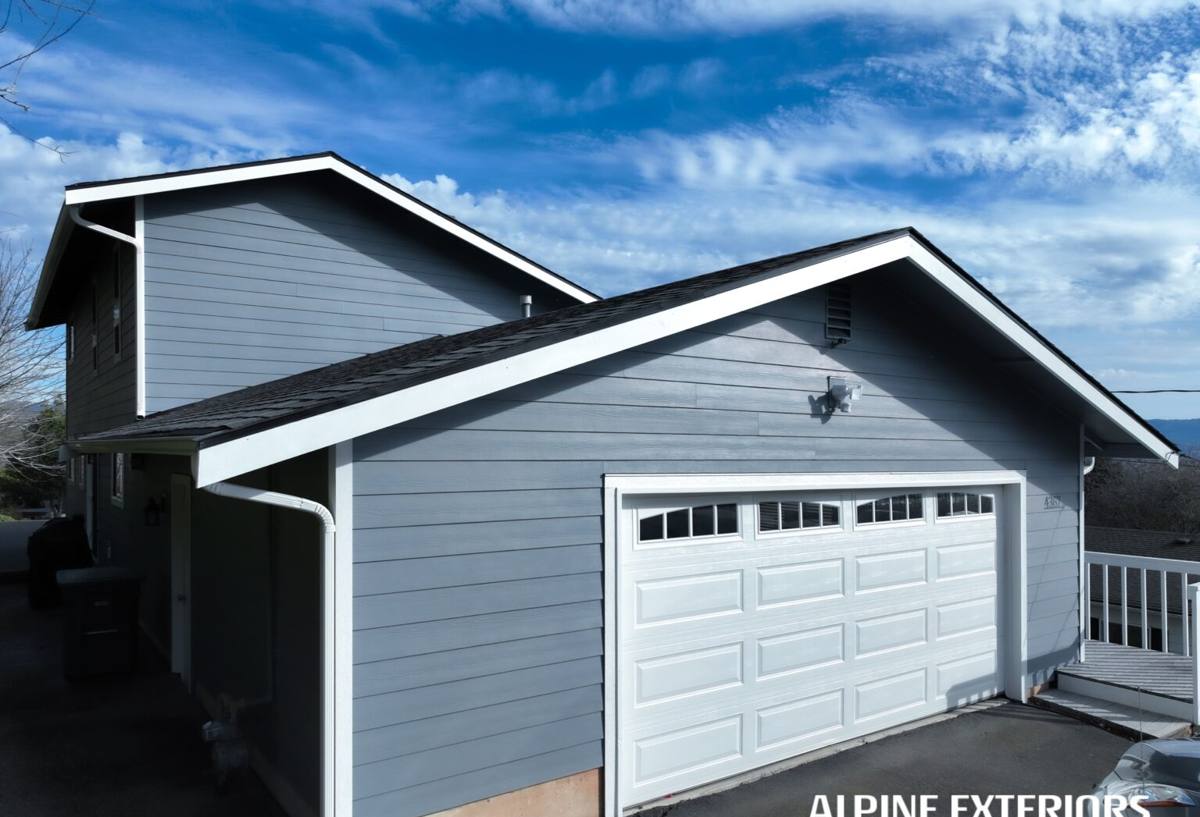
Signs a Roof Needs Replacement, Not Another Repair
Roofing contractors make money either way, so it's worth understanding the honest dividing line between "patch it" and "replace it."
- Shingles are curling, cupping, or losing granules in patches rather than just around one flashing detail
- The roof is past or near the manufacturer's expected service life for the material and local exposure
- You've had two or more separate leak repairs in different areas within a couple of years
- Decking feels soft or spongy underfoot in the attic, or daylight is visible through the roof deck
- Previous storm repairs used mismatched shingles or patch materials that stand out and don't seal properly
- Your insurer is flagging the roof's age during a renewal or wind-mitigation inspection
If the issue is a single damaged flashing detail or a handful of blown-off shingles after a storm, repair is usually the right call. If the roofing material itself is failing broadly across the surface, repair becomes a losing game — you're spending real money to buy a little time on a roof that's already past its useful life.
Choosing a Roofing System for This Climate
There's no single "best" roofing material — there's a best fit for your home, your budget, and how long you plan to own it. Here's how the common options actually perform under Tampa Bay conditions, without the marketing spin.
| Material | Typical Lifespan Here | Wind Performance | Trade-Offs |
|---|---|---|---|
| Architectural asphalt shingle | 18–25 years | Good, when rated and installed correctly for high-wind zones | Most affordable upfront; UV and heat shorten life faster than in cooler climates |
| 3-tab asphalt shingle | 12–18 years | Fair; lower wind rating than architectural | Lowest cost, but we generally steer homeowners toward architectural shingles for this climate |
| Standing seam metal | 40–50+ years | Excellent when properly fastened | Higher upfront cost; needs an installer experienced with metal-specific flashing details |
| Concrete or clay tile | 30–50 years | Very good, tile itself is heavy and durable | Underlayment (not the tile) is usually the failure point; requires periodic underlayment renewal |
Tile looks great on Florida homes and lasts a long time, but the underlayment beneath it is doing the actual waterproofing — the tile is mostly wind and impact protection. We always talk homeowners through what's under the surface material, not just the surface material itself, because that's what determines whether the roof actually keeps water out for its full expected life.
A Note on Underlayment
In a climate with wind-driven rain, a single layer of standard felt underlayment leaves gaps. We favor self-adhering, high-wind-rated synthetic or peel-and-stick underlayment at eaves, valleys, and penetrations — the areas where wind pushes rain uphill or sideways instead of letting gravity do the work. It costs more than basic felt, and it's worth it here.
What a Correct Roof Replacement Actually Involves
A roof replacement is more than stripping old shingles and nailing down new ones. Done right, it includes:
- Full tear-off to bare decking — never a roof-over, which traps moisture and hides deck damage
- Deck inspection and repair or replacement of any soft, delaminated, or water-damaged plywood
- Correct underlayment system for the material and the home's wind exposure
- New flashing at every penetration — chimneys, plumbing stacks, skylights, and wall transitions — rather than reusing old flashing
- Proper fastening pattern and nail placement matched to the material's wind rating, not just "enough nails"
- Balanced attic ventilation (intake at the eaves, exhaust at the ridge) so heat and moisture don't build up under the new roof
- Drip edge and starter strip installed correctly along all edges, not just the eaves
Skipping any one of these doesn't show up on day one. It shows up two, five, or ten years later as a leak, a soft spot, or shingles lifting off in a storm that a correctly built roof would have shrugged off.
Our Roof Replacement Process
1. Inspection and Honest Assessment
We get on the roof, check the attic from the inside, and tell you straight whether you need a replacement, a repair, or can reasonably wait. We're not going to sell a full replacement to a roof that has a few good years left in it.
2. Material and Scope Walkthrough
We go over material options, what each one costs and lasts, and what your existing roof deck and flashing situation looks like, so the estimate reflects your actual roof rather than a generic number.
3. Permitting
Roof replacements require a building permit and inspections in Land O' Lakes and throughout the surrounding jurisdictions. We handle the permit application and schedule the required inspections as part of the job — this isn't optional paperwork, it's what protects you if there's ever a warranty or insurance question later.
4. Tear-Off and Deck Repair
Old roofing comes off down to the deck. Any damaged decking gets replaced before anything new goes down — you can't correctly waterproof over rotten wood.
5. Installation
Underlayment, flashing, and the finished roofing material go on in that order, with attention to the details that matter most in this climate: sealed penetrations, correct nailing, and edge treatment that resists wind uplift.
6. Final Inspection and Cleanup
We walk the finished roof with you, confirm the permit inspection is scheduled or complete, and clean the property — magnetic sweep for stray nails included.
What Drives the Cost
| Factor | Why It Matters |
|---|---|
| Roof size and pitch | More surface area and steeper pitches take more material and labor time |
| Number of layers to remove | Roofs with a prior roof-over have more tear-off work than a single-layer roof |
| Deck condition | Rotted or water-damaged decking adds repair cost that isn't known until tear-off |
| Material choice | Asphalt, metal, and tile carry very different material and labor costs |
| Roof complexity | Valleys, dormers, skylights, and multiple penetrations all add flashing labor |
| Wind-rated underlayment and fastening | Upgraded systems cost more upfront but reduce long-term risk and can affect insurance |
We won't quote a number without seeing the roof — anyone who does is guessing. What we will say is that the cheapest bid on paper is often the one that skips tear-off, underlayment upgrades, or proper flashing, and those are exactly the corners that cost homeowners the most later.
Insurance and Wind Mitigation
A properly documented roof replacement can affect your homeowner's insurance, since many insurers in this region offer credits for wind-mitigation features like the type of roof deck attachment, secondary water barrier, and roof-to-wall connections. We provide the documentation you need to give your insurance agent or a wind-mitigation inspector after the job, since that paperwork is often what determines whether you actually see a premium credit.
Why Hiring a Crew That Already Works in Land O' Lakes Matters
A roofer who works this area regularly already knows the local permitting office's requirements, has relationships with area inspectors, and has seen firsthand which flashing and underlayment choices hold up to a full Florida wet season versus which ones show problems within a year or two. That local track record matters more than a low bid from a crew that isn't familiar with the wind exposure and building codes specific to this part of the Tampa Bay area. It also means faster response if a storm does cause damage — we're not driving in from across the state.
Simple Maintenance Checklist Once Your New Roof Is On
- Have gutters and downspouts cleared at least twice a year so water isn't backing up under the eaves
- Trim back overhanging branches that drop debris or scrape shingles in wind
- Walk the yard after major storms and look up for missing or lifted shingles, not just visible leaks
- Check the attic once or twice a year for daylight, staining, or musty odor
- Keep any roof-related paperwork (permit, warranty, wind-mitigation report) together for insurance purposes
- Schedule a professional inspection every few years even if nothing looks obviously wrong
If your roof is showing its age or you just want an honest read on whether repair or replacement makes sense for your Land O' Lakes home, we're glad to take a look. The estimate is free, there's no pressure, and you'll get a straight answer either way — just fill out the form below to get started.