 Tampa Siding
 Tampa Bay Weather and What It Actually Does to a Deck
A deck in Seminole Heights sits outside year-round in conditions that are harder on lumber, hardware, and finishes than most homeowners realize. Hurricane-season wind gusts put real uplift and racking force on railings, posts, and the connections that tie a deck to the house. Tampa's UV load is intense almost every month of the year, which breaks down wood fibers and fades or chalks finishes faster than in milder climates. Wind-driven rain doesn't just fall straight down here — it gets pushed sideways and upward into ledger boards, fastener heads, and joint gaps where standing water and rot get started. And across the broader Tampa Bay region, humidity and salt-laden air accelerate corrosion in any hardware that isn't rated for it, even on properties that aren't directly on the water.
None of this means a deck can't hold up well in Hillsborough County — plenty do, for decades. It means the materials, fasteners, and construction details have to be chosen with this specific climate in mind, not copied from a plan built for a drier, calmer part of the country.
What Seminole Heights' Older Homes Mean for a New or Rebuilt Deck
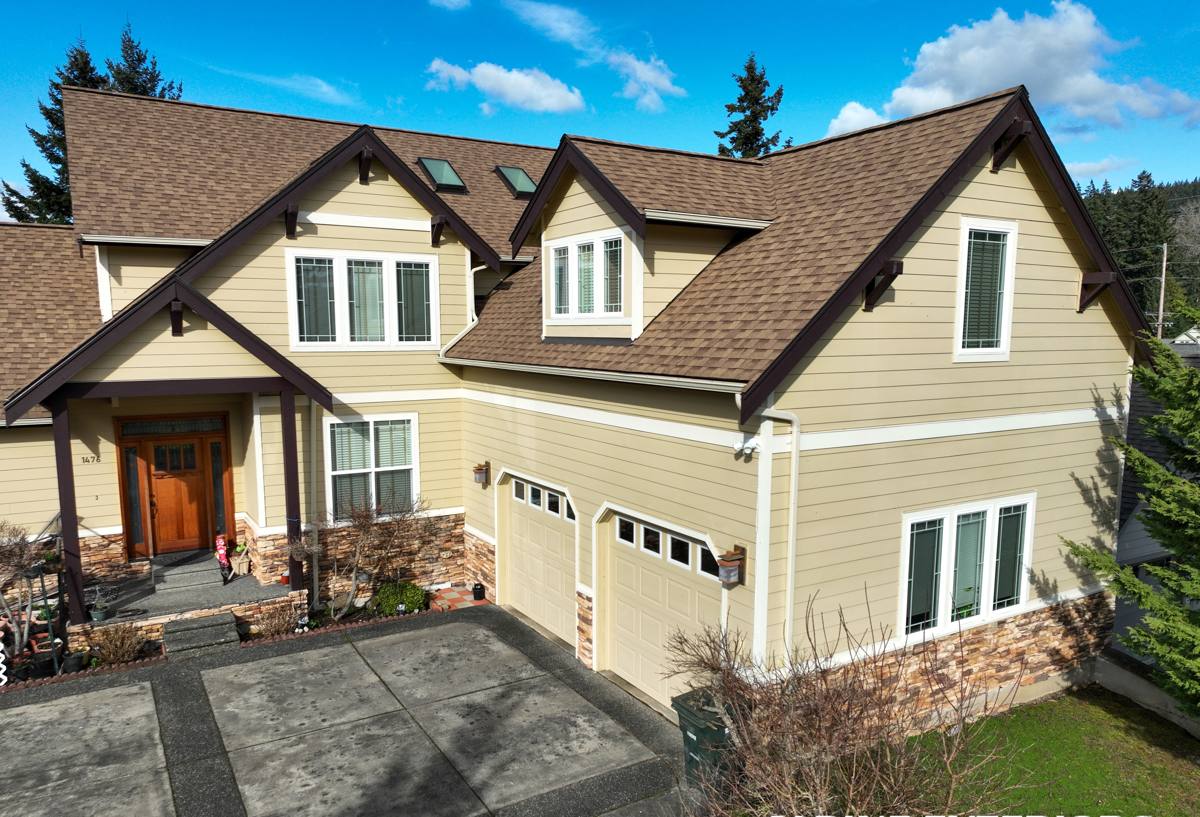
Seminole Heights is one of Tampa's older, established neighborhoods, and that history shapes what a deck project actually involves. Many homes here were built decades before modern deck framing and connection standards existed, so the house framing a new deck ties into — band joists, foundation walls, or pier-and-beam construction — often needs to be evaluated and sometimes reinforced before a ledger board or post base can be attached safely. Older siding and trim details also affect how a ledger is flashed and sealed against the house; a detail that works on new construction may need to be adapted on a house with original wall assemblies.
The neighborhood's mature tree canopy is another factor that's easy to underestimate. Shade keeps a deck cooler and reduces UV exposure on the wood, but it also means more leaf litter collecting between boards, slower drying after rain, and a higher chance of mold or algae growth on the deck surface and understructure. Lot sizes and setbacks in older sections of the city can also be tighter than in newer subdivisions, which affects how large a deck can be and where it can go relative to property lines and existing structures.
Choosing a Decking Material That Holds Up Here
Pressure-Treated Wood
Pressure-treated pine is still the most common decking and framing material in this market because it's affordable and structurally proven. In Tampa's climate, its long-term performance depends heavily on fasteners rated for treated lumber, proper drainage so boards aren't sitting in standing water, and a homeowner willing to keep up with sealing or staining. Left unmaintained, treated wood will gray, check, and eventually cup under repeated sun and rain cycles.
Composite Decking
Composite boards trade a higher upfront cost for less ongoing maintenance — no annual sealing, better resistance to moisture-driven warping, and consistent color that holds up better under sustained UV than an unfinished wood surface. The trade-off is that composite still needs a properly built and vented substructure underneath, since trapped moisture and poor airflow can cause problems regardless of what the surface boards are made of.
Tropical Hardwoods
Dense hardwoods offer strong natural rot and insect resistance and a premium look, but they're heavier, harder to fasten without pre-drilling, and require periodic oiling to keep their color from silvering out in Florida sun. They're a good option for homeowners who want a natural-wood look and are comfortable with the maintenance commitment.
Aluminum and PVC Framing
For the structural frame underneath any of the above decking types, aluminum or PVC-capped substructure components are worth considering in coastal-influenced climates because they don't rot, swell, or attract wood-boring insects. They cost more than treated lumber framing but remove one of the most common long-term failure points in older wood-framed decks.
| Material | Upfront Cost | Maintenance | How It Handles Tampa's Climate |
|---|---|---|---|
| Pressure-treated wood | Lowest | Annual sealing/staining recommended | Good if maintained; prone to checking and graying if neglected |
| Composite decking | Mid to higher | Occasional cleaning, no sealing | Strong UV and moisture stability with a properly built substructure |
| Tropical hardwood | Higher | Periodic oiling | Naturally rot-resistant; needs upkeep to keep its color |
| Aluminum/PVC framing | Higher (framing only) | Minimal | Doesn't rot or corrode; strong long-term value under any decking type |
What a Correctly Built Deck Actually Involves
Footings and Posts
Every post needs a footing sized for the soil and load conditions at that specific site, set deep and wide enough to resist both the vertical load of the deck and the wind uplift and lateral loads that come with Florida storms. Post bases should be mechanically connected to the footing, not just resting on it, so the deck can't shift or lift in high wind.
Ledger Board and Flashing
The ledger is the board that attaches the deck directly to the house, and it's the single most common source of hidden rot on older decks in this area. It has to be bolted (not just nailed) to solid framing and properly flashed so wind-driven rain can't work its way behind the board and into the house wall over time. This is a detail that's easy to get wrong and expensive to fix once it fails, since the damage is usually hidden until the wood is already soft.
Fasteners and Connectors
Given the humidity and salt-influenced air across the Tampa Bay region, we use fasteners, joist hangers, and structural connectors rated for coastal or treated-lumber exposure — typically hot-dip galvanized or stainless steel — rather than standard hardware that corrodes and stains within a few seasons.
Beams, Joists, and Spacing
Beam and joist sizing has to account for actual span and load requirements, not just what "looks about right." Joist spacing also affects how much a deck surface flexes underfoot and how well it drains, which matters more here than in drier climates because standing water between boards is where rot and mold problems start.
Railings and Guards
Railings need to be attached to structural framing, not just to the decking surface, and built to resist the lateral force a person can put on them — plus the added wind load Florida guard systems are expected to withstand.
Permits and Code Requirements in Tampa and Hillsborough County
Most attached and elevated decks in the City of Tampa and unincorporated Hillsborough County require a building permit, and for good reason — permitted work gets inspected at the footing and framing stages, which catches problems before they're buried under decking. Larger or more complex elevated decks may also require engineered plans. Skipping the permit process might save time upfront, but it removes the inspection checkpoints that catch a lot of the mistakes described above, and it can create real problems later when the home is sold and unpermitted work has to be disclosed or addressed.
We handle the permitting process as part of the job rather than leaving it to the homeowner, because navigating local requirements correctly the first time avoids delays that come from rejected plans or missed inspections.
Our Process, Start to Finish
1. Site Visit and Design
We look at the existing house framing, grade, drainage, and tree cover on the property, and talk through decking material, size, and layout based on how the space will actually be used.
2. Plans and Permitting
We prepare and submit what's needed for permit approval, including engineering if the design requires it, and handle the back-and-forth with the permitting office.
3. Construction
Footings, framing, ledger attachment and flashing, decking, and railings are built in that order, with structural elements inspected before they're covered by finish materials.
4. Final Walkthrough
We walk the finished deck with the homeowner, cover basic care for the specific material installed, and make sure everything passes final inspection.
Keeping a Tampa Deck in Good Shape Year After Year
How long a deck lasts in this climate has as much to do with upkeep as it does with how it was built. A short seasonal routine catches most problems while they're still cheap to fix.
- Sweep leaf litter and debris out from between boards regularly, especially under tree canopy
- Rinse pollen, dirt, and mildew film off the surface a few times a year
- Check fastener heads and visible hardware for rust or corrosion staining
- Inspect the ledger board area and flashing for soft spots or discoloration
- Reseal or restain wood decking on the schedule the product calls for, not just when it looks faded
- Trim back overhanging branches to reduce moisture retention and debris buildup
- Confirm railings and stair connections are still tight after storm season
Why a Crew That Already Works Seminole Heights Matters
A deck built here isn't a generic project — it has to work with the age and construction of the specific house it's attached to, the shade and drainage patterns of an established, tree-lined lot, and the permitting realities of the City of Tampa and Hillsborough County. A crew that already builds and repairs decks in this neighborhood has seen how older ledger connections, pier-and-beam foundations, and tight setbacks actually play out on real jobs, rather than working from assumptions that fit a newer subdivision better. That local familiarity shows up in fewer surprises during the project and a deck that's built for the conditions it will actually sit in for the next fifteen or twenty years.
If you're planning a new deck or need an older one evaluated for repair versus replacement, we're happy to take a look and give you a straightforward, no-pressure estimate using the form below.