 Tampa Siding
 New-Construction Windows in a Neighborhood Like Seminole Heights
Seminole Heights sits close to the Hillsborough River, with a mix of older bungalow-style homes and newer infill construction going up on the same blocks. That mix matters when it comes to windows. A full gut renovation, a room addition, or a ground-up new build all call for what the trade calls new-construction windows — units installed with a nailing fin directly into the framed wall opening, sealed and flashed as part of the building envelope, rather than fitted into an existing frame. That's a different job than a retrofit replacement, and it needs to be done right the first time, because once the siding and trim go back on, the flashing details underneath are hidden for good.
Whether you're building new or opening walls down to the studs, the window install is one of the few moments where you get direct access to the rough opening, the sheathing, and the water-management layer behind the wall. Get it right here and the window will perform for decades. Get it wrong and you won't know until water starts showing up somewhere it shouldn't.
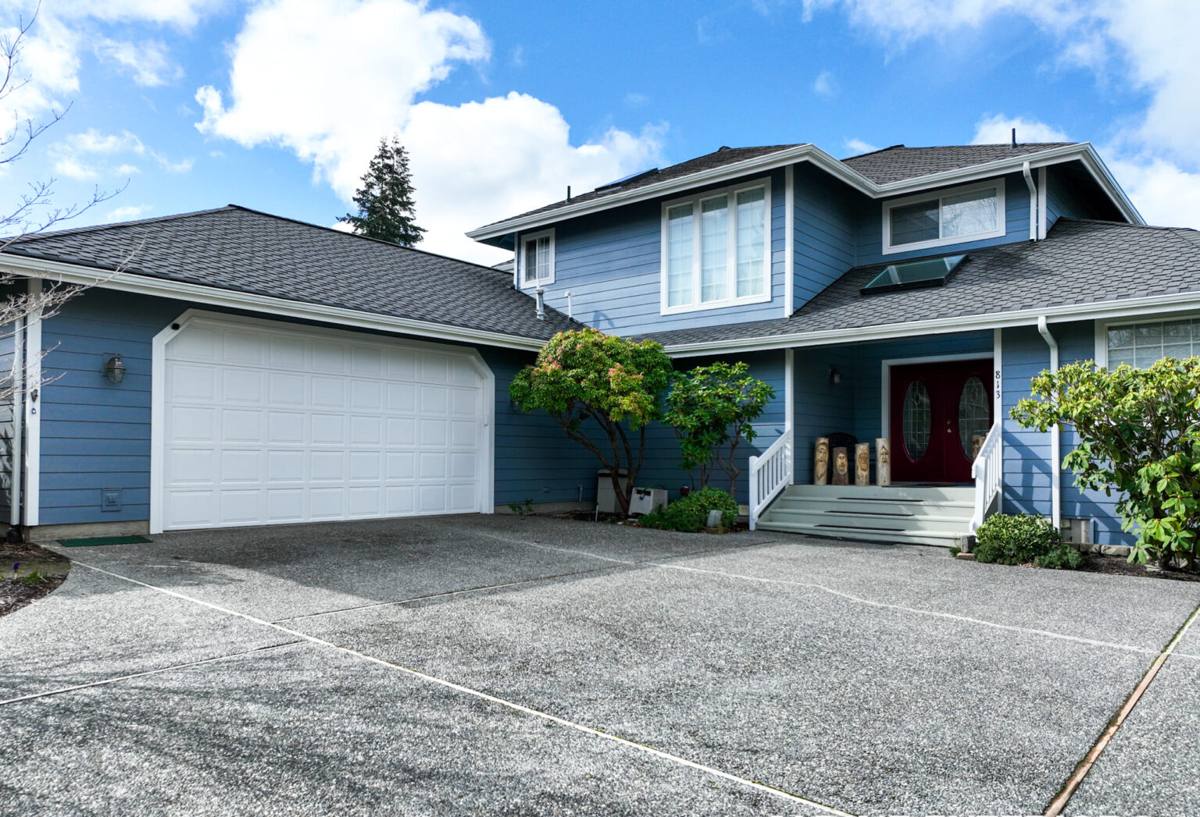
What Tampa's Climate Demands From a New-Construction Window
Hillsborough County homes take a beating that inland construction never has to deal with. Four things drive how we spec and install every window on a Seminole Heights job:
- Hurricane-force wind loads — the window and its attachment to the framing have to resist both direct wind pressure and the pressure changes that come with a storm passing through.
- Intense, year-round UV exposure — Florida sun breaks down cheap vinyl, degrades seals, and yellows frames faster than it does in most of the country.
- Wind-driven rain — Tampa storms don't just fall straight down; they drive rain sideways into wall assemblies, which is why flashing and sealant detail matter more here than almost anywhere else.
- Salt-influenced, humid air — with the river and Tampa Bay nearby, hardware, fasteners, and frame materials all see more corrosion pressure than they would inland.
A window that's correctly rated and correctly installed handles all four. A window that's rated correctly but installed poorly will still fail — usually at the flashing, not the glass.
Building Code Basics You Should Know
Florida Building Code sets minimum wind-load and impact requirements based on where your home sits relative to the coast and the wind-borne debris region. Hillsborough County enforces those requirements through permitting, and every new-construction window install on a code-covered project needs a product with a valid Florida Product Approval or Miami-Dade NOA rated for the design pressure your home requires. We pull permits and handle those documents as part of the job — you shouldn't have to chase that paperwork yourself.
New-Construction vs. Retrofit: Why the Distinction Matters
| Factor | New-Construction Window | Retrofit / Pocket Window |
|---|---|---|
| Installation method | Nailing fin fastened to framing; full flashing integration | Fits inside existing frame; existing frame stays in place |
| Best used for | New builds, additions, gut renovations, or when the frame is damaged | Existing home with a sound, square frame you want to keep |
| Water management | Flashed into the wall's weather-resistive barrier directly | Relies on the sealant and the existing frame's condition |
| Labor involved | More — removes down to the rough opening, ties into sheathing/wrap | Less — no siding or trim disturbance needed |
| Long-term result | Cleanest, most durable water seal when done correctly | Faster and less invasive, but only as good as the old frame |
If you're building new, doing an addition, or already have walls open, new-construction windows are the right call — you get the chance to do the flashing correctly instead of working around what's already there.
What a Correct New-Construction Window Install Actually Involves
This is where most of the long-term performance is won or lost. It has less to do with the window brand and more to do with the sequence the crew follows around the opening.
- Rough opening checked for square, level, and correct size before the window ever gets set
- Weather-resistive barrier (house wrap or felt) cut and prepped with the correct flashing pattern — bottom, sides, then top, in that order, so water always sheds outward and down
- Sill pan flashing installed at the base of the opening to catch and direct any water that gets past the primary seal
- Window set plumb, level, and square, then fastened through the nailing fin per the manufacturer's and the product approval's fastener schedule
- Corrosion-resistant fasteners used throughout, given the salt-air exposure common across the Tampa Bay area
- Sealant applied at the fin and jambs using a product compatible with both the window material and the wall assembly — not just whatever caulk is on the truck
- Interior and exterior trim reinstalled without covering or compromising the flashing underneath
- Final check of operation, weep paths (for units that have them), and a visual water-test where practical before the job is called done
Skip or rush any one of those steps and the window can look perfect for years before a leak shows up — usually during the exact kind of wind-driven storm Tampa gets every summer.
Choosing the Right Window for a Seminole Heights Home
Frame Material
Vinyl, aluminum, and fiberglass all show up in new-construction projects around Tampa. Each has real trade-offs — vinyl is affordable and low-maintenance but can flex under heavy wind loads if not reinforced; aluminum is strong and slim-profile but conducts heat and needs a thermal break to perform well in Florida's heat; fiberglass holds up well to UV and temperature swings but costs more upfront. We'll walk through what fits your budget, your home's style, and the wind pressures your specific lot faces rather than pushing one material as a default.
Glass Package
Impact-rated glass (laminated glass that stays intact when struck) is one path to meeting wind-borne debris requirements without shutters. Non-impact windows paired with code-compliant shutters or panels are the other. Impact glass also cuts down on outside noise and blocks most UV transmission, which matters given how much direct sun Seminole Heights homes get through the day. We'll show you both options and the real cost difference between them.
Cost Factors on a New-Construction Window Project
| Factor | How It Affects Cost |
|---|---|
| Number and size of openings | More and larger windows mean more material and labor |
| Frame material | Vinyl is typically the entry point; aluminum and fiberglass run higher |
| Impact vs. non-impact glass | Impact-rated glass adds cost but removes the need for separate storm protection |
| Wall condition | Sound, accessible framing keeps labor down; rot or out-of-square openings add time |
| Permitting and inspection | Built into most Hillsborough County jobs; included in our estimates, not an add-on surprise |
| Trim and finish work | Matching existing exterior or interior trim profiles can add labor on renovation projects |
We give straightforward, itemized estimates so you can see exactly what's driving the number — no vague lump sums.
Our Process on a Seminole Heights Project
- On-site walkthrough to measure openings, check wall assembly access, and talk through frame and glass options
- Written estimate that separates material, labor, and permitting so you know what you're paying for
- Permit pulled through Hillsborough County before any work begins on covered projects
- Removal down to the rough opening (new-construction jobs) with the opening inspected and prepped before the new window goes in
- Installation following the flashing and fastening sequence above, window by window
- Final walkthrough and inspection sign-off so you have a clean paper trail for insurance and resale
Why Local Experience in Seminole Heights Actually Matters
A crew that regularly works in and around Seminole Heights already knows what Hillsborough County inspectors look for, understands the mix of older bungalow framing and newer construction common in the area, and isn't guessing at how the neighborhood's homes are built. That familiarity shows up in fewer surprises mid-project — framing quirks get spotted early instead of discovered after demo, and permitting doesn't stall the job. It also means we're not learning the local wind-load and flashing requirements on your dime; that's baseline knowledge before we ever show up.
Tampa's climate doesn't give a poorly installed window a slow fade — it finds the weak point fast, usually during the first real storm. A correct install, done by a crew that treats the flashing details as seriously as the window itself, is what actually holds up against Hillsborough County's wind, sun, and rain year after year.
If you're planning a new build, an addition, or a full window replacement down to the studs in Seminole Heights, we're happy to walk the property and give you a straightforward, no-pressure estimate. Use the form below to get started.