 Tampa Siding
 New Roof Installation in Plant City, Florida
A roof in Plant City works harder than a roof almost anywhere else in the country. It sits under some of the most intense UV exposure in the continental United States for most of the year, then has to survive wind-driven rain and the occasional direct hit from a tropical system or hurricane. Add the humidity that never really goes away and the sandy, storm-soaked soil conditions common through this part of Hillsborough County, and it's easy to see why roofs here age faster than the same materials would in a drier, cooler climate. When a roof is past patching and it's time for a full replacement, the installation itself is what determines whether the next roof lasts 10 years or 25.
This page covers what a correct new roof installation looks like for a Plant City home, what our process involves from first call to final inspection, and why local experience with this specific climate and this specific building stock matters more than most homeowners realize.
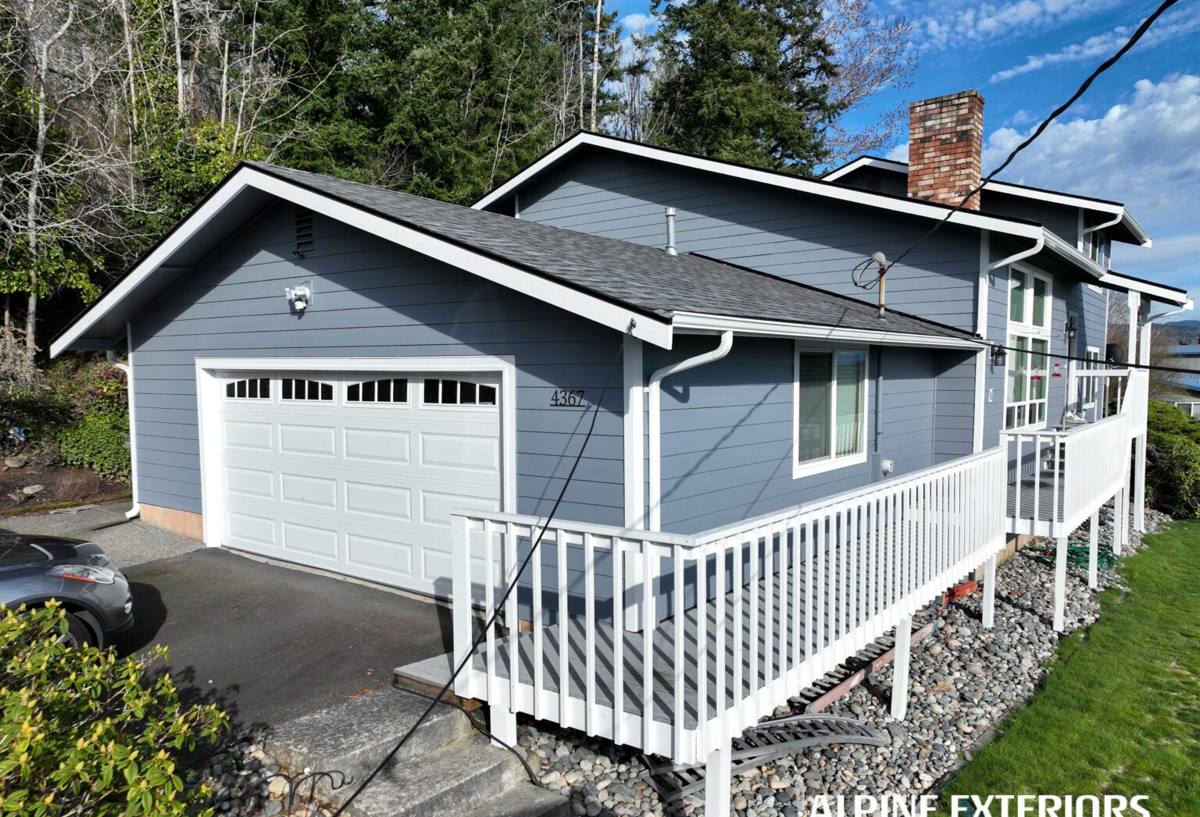
What Plant City's Climate Actually Does to a Roof
Before talking about materials or process, it helps to understand the forces a Plant City roof is actually up against, because that's what should drive every decision in the installation.
Sun and Heat
Florida sun breaks down roofing materials from the top down. Asphalt shingles lose their protective granules over time, oils in the asphalt dry out and become brittle, and dark-colored roofing surfaces can run significantly hotter than the surrounding air on a summer afternoon. That heat cycle — hot days, cooler nights, repeated for years — is what eventually causes cracking, curling, and premature aging, especially on a roof that wasn't installed with proper ventilation.
Wind and Wind-Driven Rain
Hillsborough County sits well within Florida's hurricane exposure zone, and even in years without a direct hurricane strike, Plant City sees strong thunderstorm winds and tropical-storm-force gusts. Wind doesn't just push on a roof — it creates uplift at the edges, corners, and ridge, which is exactly where a poorly fastened or improperly flashed roof fails first. Once wind gets under even one shingle or panel edge, wind-driven rain follows, and that's how a roof leak starts.
Humidity and Moisture
Even away from the coast, Central Florida's humidity keeps roof decking and attic spaces damp more of the year than most of the country. Without proper ventilation and underlayment, that moisture works into wood decking, promotes rot, and shortens the life of the materials sitting directly on top of it.
Signs a Plant City Roof Needs Full Replacement, Not Another Repair
Not every roof problem calls for a full tear-off. But there's a point where repairs stop being cost-effective and start being a way to spend money without actually solving anything. Signs it's time to talk about replacement instead of another patch:
- Shingles that are cracked, curling, or missing granules across large sections rather than one isolated spot
- Multiple past repairs in different areas of the roof within a few years
- Visible sagging anywhere in the roofline
- Daylight visible through the roof deck from inside the attic
- Consistent leaks after wind-driven rain, even with no obvious storm damage
- A roof approaching or past the manufacturer's expected service life for this climate
- Rising energy bills tied to poor attic ventilation or failing insulation under the roof
If a roof is showing two or more of these, a full replacement is usually the more honest recommendation than another round of spot repairs.
What a Correct New Roof Installation Includes
A new roof is more than shingles or panels nailed to a deck. In a climate like this one, the layers underneath the visible surface are what actually keep water and wind out.
Tear-Off and Deck Inspection
We remove the old roofing material down to the deck rather than layering over it. This lets us actually see the plywood or OSB decking underneath and identify any soft, rotted, or water-damaged sections before they get covered up and forgotten for another 15 years.
Deck Repair
Any damaged decking gets replaced, not patched over. Installing new roofing over a compromised deck is one of the most common ways a "new" roof ends up leaking within a few years.
Underlayment
This is the waterproof layer between the deck and the visible roofing surface, and it matters enormously here. A synthetic or self-adhering underlayment rated for high-wind, high-moisture climates gives the roof a real second line of defense if wind ever drives water under the top layer.
Flashing
Flashing around chimneys, vents, skylights, and roof-to-wall transitions is where the majority of real-world leaks start on an otherwise sound roof. New flashing, properly integrated with the underlayment and the new roofing material, is not optional on a correctly done replacement.
Fastening for Wind Resistance
Nail pattern and fastener count matter more in Hillsborough County than in most of the country. We install to meet Florida Building Code wind requirements for this region, which generally means more fasteners per shingle or panel than the manufacturer's bare minimum, particularly at eaves, rakes, and ridges where uplift is strongest.
Ventilation
Proper intake and exhaust ventilation keeps attic temperatures and moisture in check, which extends the life of the roofing material from underneath and helps with cooling costs.
Roofing Material Options for Plant City Homes
There's no single "best" roofing material for every home — it depends on the roof's slope, the home's style, budget, and how long the homeowner plans to stay in the house. Here's an honest comparison of the common options for this climate:
| Material | Typical Lifespan Here | Wind Performance | Notes for This Climate |
|---|---|---|---|
| Architectural asphalt shingles | 15–25 years | Good, with proper fastening and high-wind rated products | Most common choice; wide range of price points and colors |
| 3-tab asphalt shingles | 10–15 years | Fair | Lower upfront cost but shorter service life in intense UV and wind |
| Metal roofing (standing seam or panel) | 30–50 years | Excellent | Higher upfront cost, strong wind and heat performance, reflects sun well |
| Tile (concrete or clay) | 30–50+ years | Excellent when properly installed | Heavy — requires the structure to support the load; common on many Florida homes |
We'll walk through which of these actually makes sense for a specific roof's slope, structure, and budget rather than pushing one product across every home.
Our New Roof Installation Process
- Inspection and estimate. We assess the current roof, the deck condition where visible, and the home's specific exposure, then provide a clear written estimate.
- Material selection. We go over the realistic options for the home's structure and budget, including honest trade-offs between them.
- Permitting. New roof installations in Hillsborough County require a permit; we handle that process rather than leaving it to the homeowner.
- Tear-off. Old roofing is fully removed and hauled away.
- Deck inspection and repair. Any damaged decking is identified and replaced before anything new goes down.
- Underlayment and flashing. The waterproofing layer and all flashing points are installed correctly the first time.
- Installation. The new roofing material is installed to Florida Building Code wind standards for this region.
- Final walkthrough and inspection. We review the completed work with the homeowner and coordinate any required county inspection.
Why Local Experience in This Area Matters
Hillsborough County's building code requirements, permitting process, and wind-zone standards are specific to this region, and a crew that works here regularly knows them without having to look them up mid-project. Just as important is knowing how homes in and around Plant City are actually built — the roof pitches, deck materials, and age of housing stock common to this part of the county — so there are fewer surprises once tear-off begins. A crew that's done this work repeatedly in this climate also knows which underlayment and fastening choices hold up here versus which ones are fine in a milder climate but underperform once real Florida wind and rain hit them.
What Affects the Cost of a New Roof
Every roof is different, and a legitimate estimate has to be based on the actual roof, not a phone-quoted number. That said, the main factors that move the price are worth understanding upfront:
| Factor | How It Affects Cost |
|---|---|
| Roof size and complexity | More square footage, valleys, and roof planes mean more labor and material |
| Material choice | Asphalt shingles are generally the lowest upfront cost; metal and tile cost more but last longer |
| Deck condition | Rotted or damaged decking found during tear-off adds repair cost not visible before the job starts |
| Roof pitch and accessibility | Steep or hard-to-access roofs require more time and safety equipment |
| Permitting and code requirements | Wind-rated fastening and underlayment required by code add material and labor cost versus minimum-standard installs |
Questions to Ask Before Hiring a Roofing Contractor
- Are you licensed to do roofing work in Florida, and can you provide that license number?
- Do you carry liability insurance and workers' compensation coverage?
- Will you pull the required permit, or is that left to me?
- What underlayment and fastening method will you use, and does it meet Hillsborough County's wind requirements?
- What does your workmanship warranty cover, separate from the manufacturer's material warranty?
- Will old roofing material and debris be fully removed and disposed of?
Any contractor who hesitates on these answers, or who wants to skip the permit "to save time," is a red flag — permits and inspections exist to confirm the work actually meets code, which matters most in a county that sees real hurricane exposure.
Ready for a Straight Answer on Your Roof?
If your Plant City home's roof is showing its age or you're planning ahead of the next storm season, we're happy to take a look and give you a clear, honest assessment — no pressure, no scare tactics. Fill out the form below to request a free estimate.