 Tampa Siding
 Why South Tampa Windows Wear Out Differently
South Tampa sits closer to open water than most of Hillsborough County, and that changes what a window has to survive day to day. Homes here deal with salt-laden air off the bay, near-constant summer humidity, intense UV exposure most of the year, and the real possibility of hurricane-force wind and wind-driven rain during storm season. None of that is unique to South Tampa on its own, but the combination — and the frequency of it — is harder on windows than what you'd see in a drier, more inland climate.
A window replacement here isn't just a cosmetic upgrade. It's a chance to correct whatever the original installation got wrong and put in a product and installation method that's actually built for this specific exposure. We focus this page on window replacement in South Tampa specifically because the right answer for a bayfront or near-bay home is often different from what we'd recommend a few miles further inland.
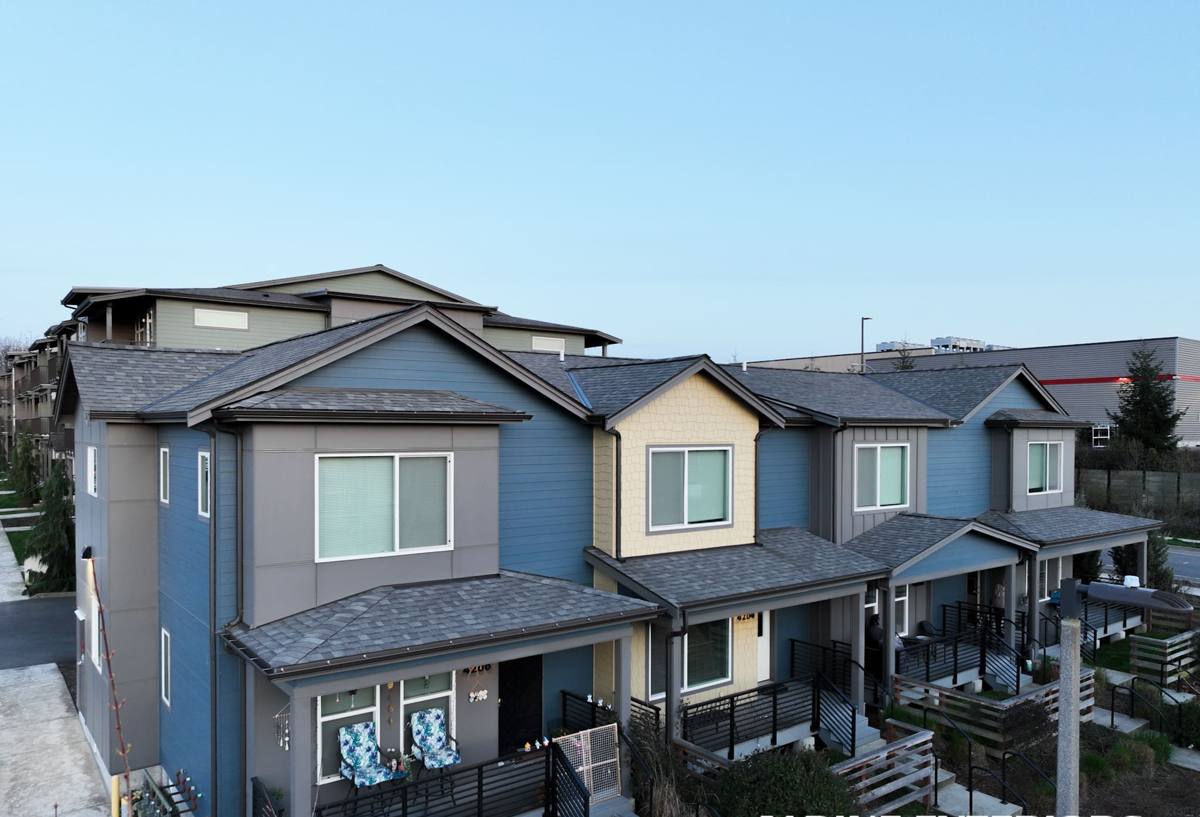
What the Climate Actually Does to a Window Over Time
Salt Air and Metal Components
Salt air accelerates corrosion on anything metal — hinges, balance systems, screws, and older aluminum frames in particular. On homes closer to the water, we see corrosion-related hardware failure and frame pitting well before a window's glass or seals would normally need attention. This is one of the biggest reasons frame material selection matters more here than it would in a landlocked market.
UV and Seal Breakdown
Florida's UV load is high nearly year-round, and it's hard on the sealants and gaskets that keep a window airtight and watertight. Once those seals degrade, you start losing energy efficiency and, eventually, get water intrusion during heavy rain — even if the glass itself is fine.
Wind and Wind-Driven Rain
During tropical storms and hurricanes, wind doesn't just push on glass — it drives rain sideways under pressure, which finds any gap in flashing or sealant. A window that was installed correctly, with proper flashing and sealant detail, sheds that water. One that wasn't will leak, sometimes for years, before the damage shows up inside a wall.
Humidity and Condensation
Constant humidity means any window with failing seals or poor glass performance will fog between panes or sweat on the interior, both signs the unit is no longer doing its job.
Signs Your South Tampa Home Needs Window Replacement
- Fogging or moisture visible between the panes of a double-pane window (the seal has failed)
- Windows that are hard to open, close, or lock — often a sign of frame warping or corroded hardware
- Visible daylight or a draft around the frame when the window is closed
- Soft, discolored, or bubbling drywall or wood trim near a window after heavy rain
- A noticeable jump in cooling costs with no other explanation
- Chalky, pitted, or corroded aluminum frames, especially on windows facing the water or prevailing wind
- Single-pane glass with no impact rating in a home that's never been upgraded
Any one of these on its own might not mean full replacement is necessary — some can be repaired. But two or three together, especially on an older home, usually means the windows are past the point where repair makes financial sense.
Impact-Rated Glass, Wind-Borne Debris Rules, and What They Mean for You
Florida's building code sets wind and impact requirements based on where a property sits relative to the coast and its wind speed zone, and Hillsborough County enforces those requirements through its local permitting process. In practical terms, that means many South Tampa homes fall under wind-borne debris protection requirements, which can be met either with impact-rated windows or with approved shutters or panel systems paired with standard windows.
We don't guess at what your specific property requires — code requirements can vary by exact location, structure type, and whether you're doing a like-for-like replacement or a larger renovation. Part of our process is confirming what applies to your address before we ever quote a job, and pulling the correct permit through Hillsborough County or the City of Tampa, whichever has jurisdiction over your property.
Impact Glass vs. Standard Glass Plus Shutters
Both approaches can meet code. Impact-rated windows stay in place permanently and don't require you to do anything before a storm, which is why many homeowners prefer them despite the higher upfront cost. Shutters or panels cost less upfront but require deployment before every storm and storage the rest of the year. We'll walk through both honestly based on your budget and how the home is used.
What a Correct Window Replacement Job Actually Involves
A window replacement is only as good as the parts nobody sees once it's done. Here's what we consider non-negotiable on every job:
Proper Removal and Opening Inspection
Once the old window is out, we inspect the rough opening for rot, prior water damage, or framing issues before anything new goes in. Installing a new window over a compromised opening just hides the problem.
Flashing and Weatherproofing
This is the step that determines whether a window leaks during the next tropical storm. Correct flashing integration with the home's existing water management layer — not just caulk around the frame — is what actually keeps wind-driven rain out.
Correct Fastening and Shimming
Windows need to be plumb, level, and square, fastened per the manufacturer's and code's structural requirements, especially for impact-rated units where fastening schedule affects the actual wind rating.
Sealant Compatible With Coastal Exposure
Not all sealants hold up the same way to sustained UV and salt air. We use products rated for the exposure, not whatever's cheapest.
Interior and Exterior Finish Work
Trim, caulking, and paint touch-up so the finished opening looks intentional, not patched.
Frame Materials: What Actually Holds Up Near the Water
| Frame Material | Salt Air Performance | Maintenance | Typical Trade-Off |
|---|---|---|---|
| Vinyl | Does not corrode; performs well near the coast | Low — occasional cleaning | Limited color options; can expand/contract with heat |
| Aluminum (marine-grade or coated) | Good if properly coated; standard aluminum corrodes faster in salt air | Moderate — coating needs to stay intact | Conducts heat more than vinyl unless thermally broken |
| Fiberglass | Excellent — very stable in coastal exposure | Low | Higher upfront cost |
| Wood-clad | Poor without diligent maintenance; moisture and salt accelerate rot | High — regular inspection and refinishing | We generally steer coastal-facing homes away from exposed wood frames for this reason |
We'll be direct about this: for a South Tampa home with real coastal exposure, we typically steer people away from bare or poorly coated aluminum and untreated wood frames, not because those materials are bad products everywhere, but because the maintenance burden and corrosion risk in this specific environment usually isn't worth what you save upfront.
Our Process, Start to Finish
- On-site assessment — we look at your existing windows, frames, and any signs of water intrusion, and confirm the wind/impact requirements for your specific address.
- Honest quote — options at different price points, explained in plain terms, with no pressure to upsell beyond what your home actually needs.
- Permit pulled — through Hillsborough County or the City of Tampa as applicable, before work starts.
- Removal and opening inspection — old units out, rough opening checked for hidden damage.
- Installation — proper flashing, fastening, and sealant detail, done to manufacturer spec and code.
- Final inspection and walkthrough — county/city sign-off where required, plus our own check that every window operates correctly and is sealed properly.
Why a Crew That Already Works South Tampa Matters
Window replacement done well requires knowing the local permitting process, the wind and impact requirements that apply to this specific area, and how coastal exposure actually behaves over years, not just on install day. A crew that works South Tampa regularly isn't guessing at any of that — we've been through the county's permitting process before, we know what inspectors are looking for, and we've seen firsthand how different frame materials and installation shortcuts hold up (or don't) a few years down the road in this exact environment.
That local familiarity also means fewer surprises during the job. We're not learning the county's requirements on your project, and we're not applying a generic installation approach that works fine inland but leaves gaps for wind-driven rain to find its way in near the water.
Cost Factors to Expect
We won't quote a price without seeing the home, but a few things reliably move the number:
| Factor | Effect on Cost |
|---|---|
| Impact-rated vs. standard glass | Impact glass costs more upfront but can eliminate the need for shutters |
| Number and size of windows | Larger openings and whole-house replacements have better per-unit pricing than one-off jobs |
| Frame material | Fiberglass and higher-grade vinyl generally cost more than basic vinyl or standard aluminum |
| Existing damage | Rot or water damage found in the rough opening adds repair work before the new window goes in |
| Permitting complexity | Historic districts or additional structural review can add time and cost |
Ready When You Are
If your windows are showing their age, or you just want an honest read on whether repair or replacement makes more sense for your South Tampa home, we're happy to take a look. There's no pressure and no obligation — just a straightforward assessment from a crew that knows this neighborhood's climate and code requirements. Use the form below to request a free estimate.