 Tampa Siding
 Building Decks That Actually Hold Up in Town 'n' Country
Town 'n' Country sits in one of the more demanding climates in the country for outdoor structures. A deck here isn't just a weekend carpentry project — it's an exterior structure that has to survive Hillsborough County's full weather cycle: intense year-round UV that bakes and dries out wood fibers, wind-driven summer storms that push moisture into every joint and fastener, hurricane-season wind loads that stress framing connections, and salt-laden air drifting in off Tampa Bay that accelerates corrosion on anything metal. Decks that aren't built with those specific stresses in mind don't fail dramatically — they fail slowly, with soft boards, loose railings, and rusted-through hardware that homeowners often don't notice until something gives way underfoot.
We build and rebuild decks for homes throughout this part of Tampa, and the patterns repeat: decks built with big-box lumber and standard fasteners tend to need major repair inside 5-8 years, while decks built to actually match local conditions can run 20+ years with normal upkeep. The difference isn't the crew's skill on install day — it's whether the material choices, fastener grade, and structural detailing were chosen for this climate specifically, rather than a generic national spec.
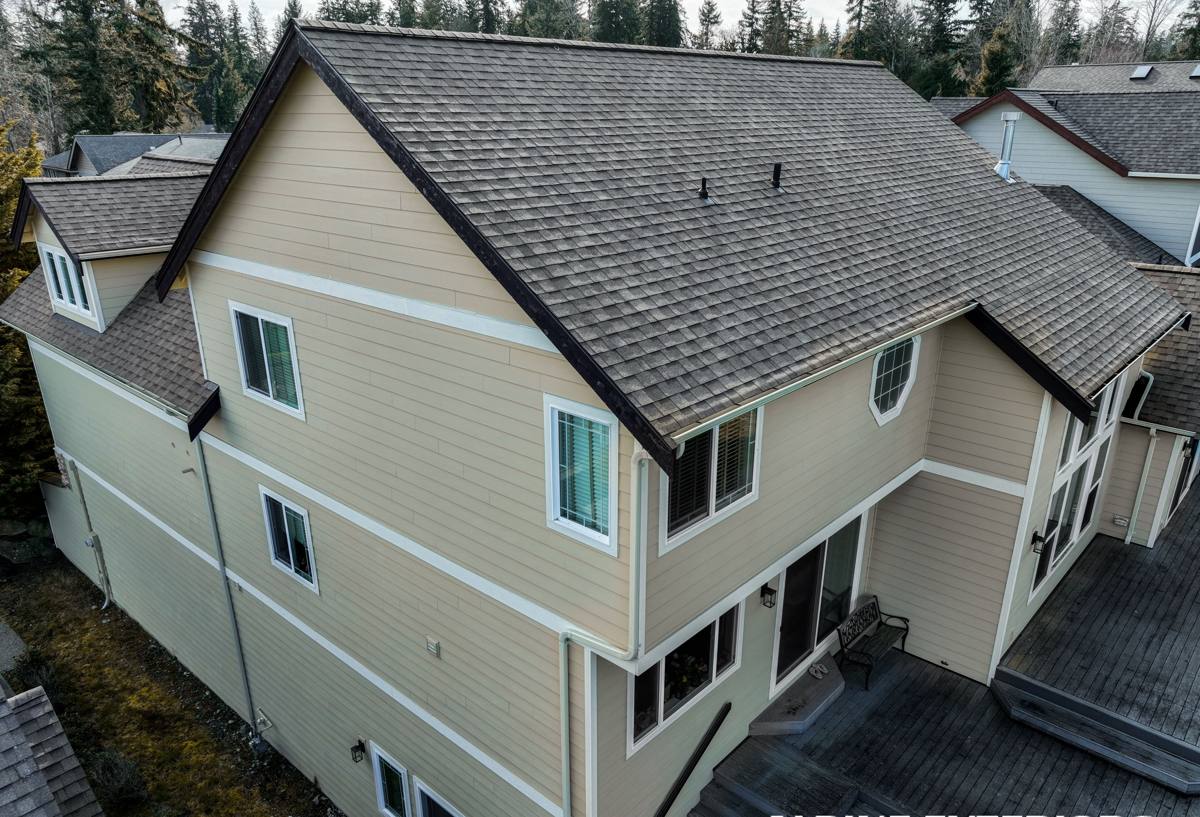
What Town 'n' Country Conditions Actually Demand From a Deck
UV and Heat
Tampa gets sun exposure most of the year, and unprotected wood decking loses its natural oils and starts graying, cupping, and splintering faster here than in most of the country. Even UV-treated composite boards vary in fade resistance, which matters when you're choosing a product for a deck that will sit in full sun.
Wind-Driven Rain and Humidity
Afternoon storms in this region don't fall straight down — wind pushes rain sideways and up under boards, into ledger connections, and around post bases. A deck built without proper drainage gaps, flashing, and ventilation underneath will trap moisture, and trapped moisture is what actually rots a deck, not rain itself.
Hurricane-Season Wind Loads
Even away from the coast, wind loads on an elevated structure like a deck are real during tropical storms and hurricanes. Railings, guardrail posts, and the connection between the deck and the house (the ledger board) all need to be engineered and fastened to resist uplift and lateral force, not just support static weight.
Salt Air Corrosion
Town 'n' Country isn't directly on the water, but Tampa Bay's salt air still reaches inland neighborhoods, especially with onshore winds. Standard zinc-coated screws and brackets corrode faster here than their ratings suggest. This is one of the most overlooked factors in deck longevity — the wood can be fine while the fasteners holding it together are quietly failing.
Choosing the Right Decking Material
There's no single "best" decking material — there's a best material for your budget, maintenance appetite, and how much sun and moisture your specific yard gets. Here's how the common options actually perform under Hillsborough County conditions:
| Material | UV/Fade Behavior | Moisture Handling | Maintenance | Typical Lifespan Here |
|---|---|---|---|---|
| Pressure-treated pine | Fades and grays without regular sealing | Prone to cupping/splitting if not sealed | Re-seal every 1-2 years | 10-15 years |
| Composite (capped) | Good resistance, varies by brand grade | Excellent — won't rot or splinter | Occasional wash, no sealing | 20-30 years |
| Tropical hardwood (e.g. ipe) | Fades to gray unless oiled regularly | Naturally dense and moisture-resistant | Annual oiling to hold color | 25+ years structurally |
| PVC decking | Very good, doesn't absorb moisture to fade | Fully moisture-proof | Low — occasional cleaning | 25-30 years |
Pressure-treated pine is the most affordable up front but demands the most upkeep in this climate — homeowners who skip yearly sealing see it warp and gray within a few seasons. Composite and PVC cost more initially but hold up to humidity and UV with far less maintenance, which is why we recommend them for most Town 'n' Country projects where the deck gets regular sun. Hardwoods look excellent and are genuinely durable structurally, but they're a real commitment to upkeep if you want to keep the rich color rather than let it silver naturally.
Structural Details That Matter More Than the Decking Itself
Homeowners tend to focus on the decking boards, but the framing underneath is what actually determines whether a deck is safe and long-lasting. A correct build includes:
- Footings sized and set below grade to local frost-free/soil-bearing requirements, not guessed at
- A properly flashed ledger board connection to the house, sealed to keep wind-driven rain from reaching the rim joist
- Joist spacing matched to the actual decking product's span rating — composite and PVC often require tighter spacing than wood
- Corrosion-resistant structural connectors (joist hangers, post bases, hurricane ties) rated for coastal or high-moisture exposure
- Guardrail posts through-bolted into framing, not just screwed to a rim board
- Ventilation gaps between boards and beneath the deck to let moisture escape rather than pool
We've replaced more than one deck in this area that looked fine on the surface but had a ledger board bolted straight into siding with no flashing at all — the kind of shortcut that causes hidden rot you don't see until the deck starts to sag.
Permitting in Hillsborough County
Most new deck construction and many major deck rebuilds in Hillsborough County require a permit and inspection, particularly when the deck is attached to the house or elevated more than a step or two off grade. Permitted work means the footings, framing, and railing heights get checked against current code before the decking goes down — which matters both for safety and for resale, since unpermitted decks can become a problem during a home sale inspection. We handle the permitting process as part of the job rather than leaving it to the homeowner to navigate.
Our Deck Building Process
- On-site assessment — we walk the yard, check grade, sun exposure, drainage, and how the deck will tie into the house
- Design and material selection — sizing, layout, and decking/railing material chosen for your budget and maintenance preference
- Permitting — plans submitted and permit pulled through Hillsborough County before any digging starts
- Footings and framing — footings poured, ledger flashed and fastened, joists set with corrosion-resistant hardware
- Decking and railing installation — boards, fascia, and rail system installed to the sightlines and gaps the material requires
- Final inspection and walkthrough — county inspection scheduled, then a walkthrough with you covering care and warranty
We don't skip the framing and permitting steps to move faster — that's exactly the part of the job that determines whether a deck is still solid a decade from now.
Fasteners and Hardware: The Part Nobody Sees
In a salt-air climate, the fasteners are often the weak link long before the boards are. We use stainless steel or heavy-duty coated fasteners rated for coastal exposure, along with structural connectors built for high-moisture environments — not the standard zinc hardware that's fine inland but corrodes faster here. It costs more up front and makes no visible difference on install day, but it's the single biggest factor in whether a deck's connections are still tight in year fifteen instead of loosening by year five.
Maintenance by Material
Every deck needs some upkeep — the question is how much and how often. A realistic maintenance checklist by material type:
- Pressure-treated wood: inspect and re-seal every 1-2 years; check for soft spots or splitting each spring
- Composite: wash with soap and water 1-2 times a year to prevent mildew buildup in humidity; no sealing needed
- Hardwood: oil annually to maintain color; can be left to weather naturally with less frequent care if gray patina is acceptable
- PVC: occasional rinse; check railing hardware periodically for tightness
- All materials: inspect fasteners and structural connectors for corrosion or looseness at least once a year, especially after hurricane season
Why Hiring a Crew That Already Works Town 'n' Country Matters
Deck building isn't identical everywhere — a crew used to building in a dry, low-humidity climate will make different (wrong) assumptions here about flashing, fastener grade, and drainage. Working regularly in Town 'n' Country and the surrounding Tampa area means we already know which details actually matter for this specific mix of sun, storms, and salt air, and we're a known, accountable local business if you ever need a warranty callback or a repair down the line — not a crew that pulled a permit and left town.
If you're planning a new deck or need an honest look at an aging one, we're happy to come out, walk the site, and give you a straightforward, no-pressure estimate using the form below.