 Tampa Siding
 Why Decks in Town 'n' Country Wear Out Faster Than the Rest of the House
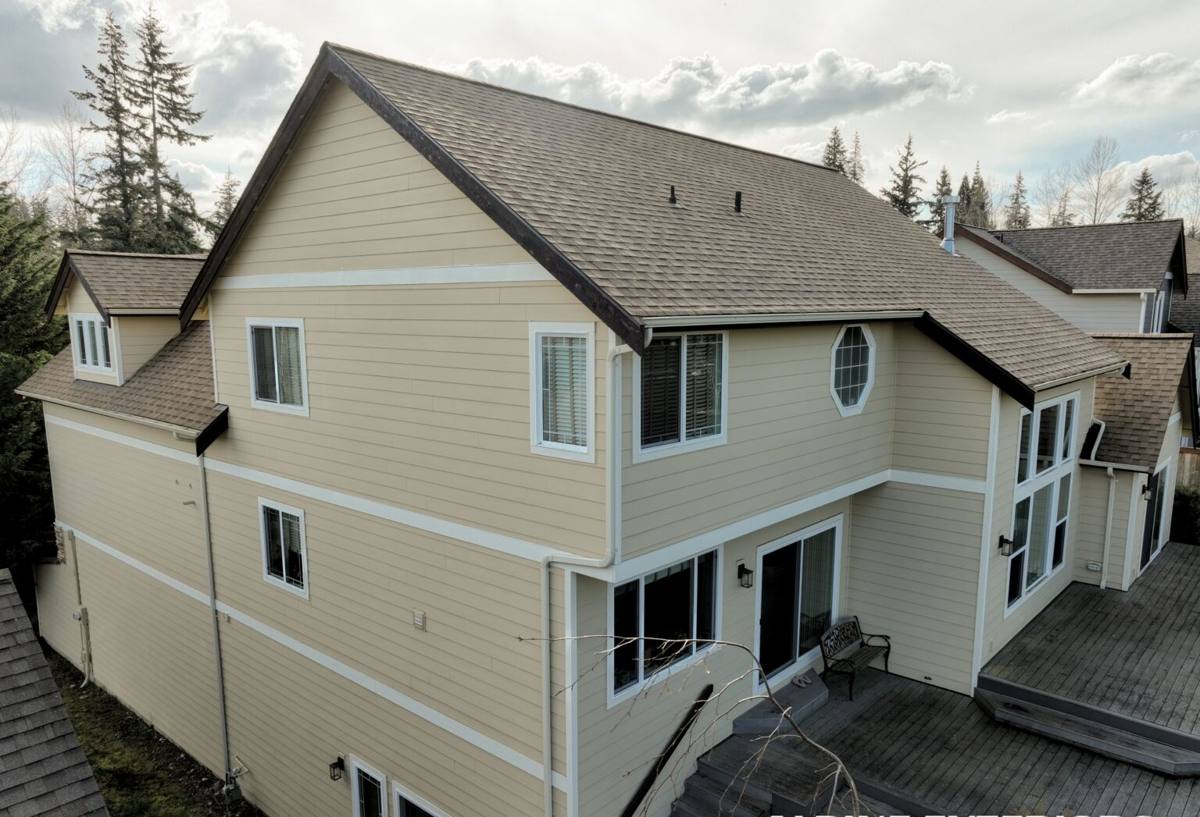
Town 'n' Country sits close enough to Old Tampa Bay and the Gulf that homes here take on a mix of conditions most inland Florida neighborhoods don't deal with at the same intensity: near-constant UV exposure, humid afternoons that turn to sudden downpours, salt-tinged air on breezy days, and the real possibility of hurricane-force wind during storm season. A deck is one of the most exposed structures on a property — it has no roof over it, it's built low to grade where moisture collects, and it takes direct sun for most of the day. That combination is why decks in this part of Hillsborough County tend to show their age years before decks built the same way in a drier, cooler climate.
None of that means a deck is a bad investment here. It means the materials, fasteners, and framing choices matter more than they would somewhere else, and a replacement done without those factors in mind will need to be replaced again sooner than it should.
What's actually attacking the structure
Three things do most of the damage, usually working together rather than one at a time. Constant UV breaks down the surface fibers and finish on wood decking, which is why boards gray, crack, and splinter even when the framing underneath is still sound. Wind-driven rain gets pushed sideways and up under boards and railings, soaking end grain and fastener holes that never fully dry out between storms. And salt air, even several miles inland, accelerates corrosion on hardware that isn't rated for it — you'll see this first at nail heads, joist hangers, and bolt threads.
Signs a Repair Won't Cut It Anymore
Homeowners often start by patching a board here or tightening a rail there. That's the right instinct early on, but past a certain point the smart money is a full replacement rather than another round of patchwork. Here's what tells us a deck has crossed that line:
- Soft, spongy, or spring-back decking when you walk across it, especially near the house or stairs
- Visible rot or crumbling wood at the ledger board (where the deck attaches to the house)
- Rusted, bleeding, or loose fasteners across multiple boards, not just one or two spots
- Posts or footings that have shifted, cracked, or are no longer plumb
- Railings that flex or wobble under normal hand pressure
- Persistent gaps, cupping, or checking across most of the decking surface, not isolated boards
- A deck older than 15–20 years that's never had the substructure inspected
If you're only seeing one or two of these, a repair may still make sense. If you're seeing several at once, especially anything involving the ledger or footings, that's a structural issue — patching the surface won't fix what's happening underneath.
What a Correct Deck Replacement Actually Involves
A deck replacement isn't just pulling up old boards and screwing down new ones. Done right, it starts below the surface.
The structure comes first
The ledger board, footings, and framing are what everything else depends on, and they're also what gets hidden once the new decking goes down. We check the ledger attachment and flashing (this is the single most common failure point on Florida decks — water gets behind it where it meets the house and rots the band board), confirm footing depth and condition, and inspect or replace joists as needed. In Hillsborough County, footing depth and structural connections are governed by local code and wind-load requirements, and this is not the place to cut corners on a coastal-influenced property.
Fasteners and hardware built for this environment
Standard galvanized hardware corrodes faster in salt-influenced air than most homeowners expect. We use stainless steel or coated fasteners and connectors rated for coastal or high-corrosion exposure, along with joist tape or flashing on framing members to keep moisture out of end grain and fastener penetrations. This is a small cost difference during a build and a large one to fix after the fact once corrosion has already started.
Decking material selection
What goes on top matters, but it's the last decision, not the first — the substructure and hardware choices have to be right regardless of what decking material you pick.
Decking Material Options for This Climate
There's no single "best" decking material — each has real trade-offs in maintenance, upfront cost, and how it holds up to sun and moisture. Here's how the common options compare for a Town 'n' Country property:
| Material | Upfront Cost | Maintenance | Sun & Moisture Behavior |
|---|---|---|---|
| Pressure-treated wood | Lowest | Annual sealing/staining recommended | Prone to graying, splintering, and warping under constant UV and humidity without upkeep |
| Composite (capped) | Mid to upper-mid | Occasional washing, no sealing | Resists fading and moisture well; quality varies significantly by brand and cap thickness |
| PVC / vinyl decking | Highest | Lowest — mostly washing | Fully moisture-resistant, doesn't absorb water, holds color well in intense sun |
| Tropical hardwood (e.g., ipe) | High | Periodic oiling to maintain color | Naturally dense and rot-resistant, but installation is fastener- and expansion-sensitive |
Our professional standard is to steer homeowners away from uncapped composite in this climate — the cap layer is what protects the board core from moisture intrusion and UV breakdown, and without it, the material doesn't hold up meaningfully better than treated wood despite costing more. We'll walk through the honest trade-offs of each option for your budget and how you actually use the space, rather than pushing whatever has the best margin.
Permits, Code, and Wind Load in Hillsborough County
Deck replacements in this area typically require a permit, and inspections will look at footing depth, ledger attachment, guardrail height and spacing, and stair construction. Because this part of Hillsborough County falls within hurricane-exposed wind zones, structural connections — hurricane ties, bolted (not just nailed) ledger attachment, proper post-to-footing anchoring — get held to a higher standard than in inland, low-wind regions. We pull permits, schedule inspections, and build to what the local code actually requires rather than the bare minimum that might pass elsewhere.
Our Process, Start to Finish
- On-site assessment. We look at the existing deck's framing, ledger, footings, and overall condition to confirm replacement is the right call versus a targeted repair.
- Design and material walkthrough. We go over layout, railing style, and decking material options with honest pros and cons for each, based on your budget and how the space gets used.
- Written estimate. Clear scope, materials, and price before any work starts — no surprise change orders for things we should have caught up front.
- Permitting. We handle the permit application and coordinate required inspections with Hillsborough County.
- Demolition and structural rebuild. Full removal of the old deck, correction of any footing or framing issues found, and rebuild to current code.
- Decking, railing, and finish work. Installed to manufacturer spec (fastener pattern, spacing, and expansion gaps matter more than they look like they should).
- Final walkthrough. We go over the finished deck together before calling the job done.
Why a Crew That Already Works Town 'n' Country Matters
Deck work in this neighborhood isn't identical to deck work forty miles inland. A crew that's already pulled permits through Hillsborough County knows the inspection expectations and doesn't lose a week to avoidable back-and-forth. A crew that's replaced decks on other homes in this same general exposure — close enough to the water for salt air, squarely in the path of Tampa's summer storm pattern — already knows which hardware and attachment details are worth the extra cost and which shortcuts show up as problems in three years instead of fifteen. That's not something you can fully substitute with a generic checklist; it comes from having actually done the work here before.
Keeping Your New Deck Sound Through Tampa's Seasons
A well-built deck still needs basic upkeep, and what it needs depends on the material:
- Rinse off pollen, salt residue, and organic debris every few months — buildup traps moisture against the surface
- Check railings and stair connections for looseness once or twice a year, particularly after a bad storm season
- For wood decking, plan on resealing or restaining on a regular schedule — UV exposure here breaks down finishes faster than in milder climates
- Keep gutters and downspouts directed away from the deck footings to avoid standing water at the base
- After any major storm, do a quick visual check of fasteners and ledger flashing before the next one rolls through
None of this is complicated, but skipping it is how a well-built deck ends up needing early repairs anyway.
Get a Straight Answer on Your Deck
If your deck is showing its age or you're planning a new one, we're happy to come take a look, tell you honestly whether you're looking at repair or replacement, and walk you through material options that make sense for your budget and this part of Tampa. Fill out the form below for a free, no-pressure estimate.