 Tampa Siding
 Why Valrico Roofs Take More of a Beating Than People Expect
Valrico sits inland from Tampa Bay, in Hillsborough County, and homeowners here sometimes assume that a few miles of distance from the coast means less roof stress. It doesn't work that way. Hurricane-force winds don't lose much strength by the time they reach Valrico, and the same storms that push wind-driven rain sideways along the coast do the same thing here. Add in Central Florida's year-round UV exposure and the humidity that never really lets up, and a roof in this area is working hard every single day, not just during storm season.
Salt air is a real factor too. Tampa Bay is close enough that airborne salt reaches inland neighborhoods, especially on breezy days, and it accelerates corrosion on fasteners, flashing, and any exposed metal components. A roofing system that isn't specified with that in mind will show it first at the metal — rusting nail heads, corroding drip edge, pitted flashing — years before the shingles themselves look worn.
None of this means Valrico needs an exotic roofing system. It means the details that get skipped on a rushed job — deck condition, fastening pattern, underlayment choice, flashing at every penetration — matter more here than they would in a milder climate. A new roof installed correctly for this area is built to handle sun, wind, and water working against it at the same time, not one at a time.
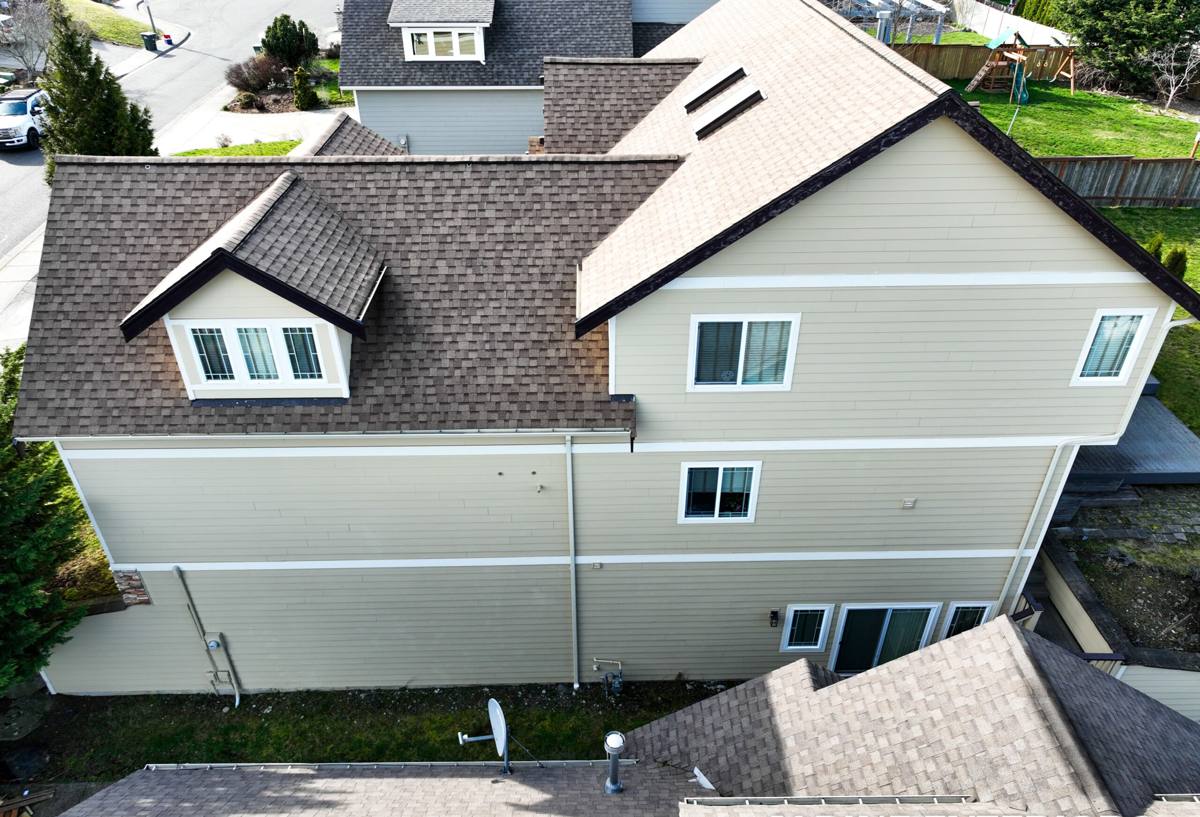
Signs a Valrico Home Needs a New Roof, Not Another Repair
Age and Material Lifespan
Most asphalt shingle roofs in this climate reach the end of their useful life somewhere between 15 and 25 years, depending on the shingle grade, the quality of the original installation, and how much direct sun exposure the roof gets. If your roof is in that range and you're calling about repairs more than once a year, you're usually past the point where patching makes financial sense.
Storm and Wind Damage
A single major wind event can knock 5-10 years off a roof's remaining life even if it doesn't cause an obvious leak right away. Lifted or creased shingles, granule loss showing up in gutters, and soft spots on the deck after a storm are all signals that the roof's ability to shed wind-driven rain has been compromised, even if nothing is visibly broken from the ground.
- Shingles curling, cracking, or missing granules across large sections of the roof
- Daylight visible through the roof deck from inside the attic
- Soft, spongy decking underfoot during an inspection
- Repeated leaks around the same penetration or valley despite prior repairs
- Visible sagging along the roofline
- Interior water stains that reappear after every heavy rain
What a Correct New Roof Installation Actually Involves
A new roof isn't just shingles laid on top of what's there. Done right, it's a system, and every layer has a job to do.
Deck Inspection and Repair
Once the old roof covering is removed, the plywood or OSB deck underneath gets inspected board by board. Any wood that's soft, delaminated, or water-damaged needs to be replaced before anything else goes on — installing a new roof over a compromised deck just hides the problem and guarantees an early failure.
Underlayment and Water Barrier
The underlayment is the roof's backup defense against wind-driven rain, and in this climate that backup layer matters more than in drier regions. Self-adhered synthetic underlayment at eaves, valleys, and other vulnerable areas gives the roof a sealed layer that can handle water intrusion even if wind lifts a shingle edge during a storm.
Flashing at Every Penetration
Chimneys, vents, skylights, and wall transitions are where most roof leaks actually start — not in the open field of shingles. Correctly formed and properly lapped flashing, tied into the underlayment in the right order, is what keeps water out at these transition points for the life of the roof.
Ventilation
A hot, poorly ventilated attic shortens shingle life from underneath, cooking the underlayment and adhesive from below while UV works on the shingles from above. Balanced intake and exhaust ventilation keeps attic temperatures in check and helps the whole system last as long as it's rated to.
Roofing Material Options for Valrico Homes
There's no single "best" material for every house — the right choice depends on budget, roof pitch, HOA rules where they apply, and how long you plan to own the home. Here's an honest comparison of the main options we install.
| Material | Typical Lifespan | Wind Performance | Maintenance |
|---|---|---|---|
| Architectural asphalt shingle | 20-30 years | Good, with proper nailing and rated products | Low; periodic inspection |
| Standing seam metal | 40-60 years | Excellent when properly fastened | Low; check fasteners and sealant over time |
| Concrete tile | 40-50 years | Excellent for the tile itself; underlayment is the weak point | Moderate; underlayment typically needs replacement before the tile does |
| 3-tab asphalt shingle | 15-18 years | Lower wind resistance than architectural shingles | Low, but shorter service life |
For most Valrico homes, architectural shingles rated for high wind offer the best balance of upfront cost, wind performance, and appearance. Metal is worth serious consideration for homeowners planning to stay long-term, since the higher initial cost is offset by decades of additional service life and lower long-term maintenance.
Our Installation Process, Start to Finish
- On-site inspection and honest assessment of whether you need a full replacement or targeted repairs
- Written estimate that breaks down material, labor, and any deck repair allowance
- Permitting through Hillsborough County before any work begins
- Tear-off and disposal of the old roofing material
- Deck inspection, with any damaged sections replaced and documented before covering
- Installation of underlayment, flashing, and the new roofing material to manufacturer and code specifications
- Ventilation check and correction if the attic system needs it
- Final walkthrough and cleanup, including a magnetic sweep for stray nails
We don't skip the deck inspection step to save time, and we don't quote a job without seeing the roof in person first. Roofs that look similar from the street can have very different decking, ventilation, and flashing conditions underneath, and pricing them sight unseen does homeowners a disservice.
Permits, Wind Mitigation, and Insurance in Hillsborough County
A full roof replacement in Hillsborough County requires a permit, and inspections are part of the process — that's not paperwork to work around, it's confirmation that the work meets Florida Building Code wind-load requirements for this area. Skipping permits to save time is a red flag for any contractor, since it usually means the work isn't being checked against code.
A new roof also gives you the opportunity to update your wind mitigation report, which insurance companies use to set premiums. Newer roofs installed to current code, with documented nailing patterns, sealed roof decks, and rated materials, often qualify for meaningful insurance discounts. It's worth asking your contractor for the documentation you'll need to give your insurer after the job is done.
Why Hiring a Crew That Already Works in Valrico Matters
Roofing code requirements, permitting steps, and typical storm exposure aren't identical from one Florida county to the next, let alone one state to the next. A crew that regularly works Hillsborough County jobs already knows the county's permitting process, the inspection expectations, and the wind-load specifications that apply here, so there's no learning curve at your home's expense.
Local experience also means we've seen how different products actually hold up under Tampa-area sun, humidity, and storm cycles over years, not just on a spec sheet. That's the difference between a roof that's technically installed to code and one that's installed with this specific climate in mind.
After Installation: Keeping Your New Roof Performing
A correctly installed roof still benefits from basic upkeep. None of this is complicated, but skipping it shortens the life of even a well-installed system.
- Have the roof inspected after any major storm, even if you don't see obvious damage
- Keep gutters clear so water isn't backing up under the roof edge
- Trim back tree limbs that overhang the roof to reduce abrasion and debris buildup
- Watch for granule buildup in gutters and downspouts as an early wear indicator
- Schedule a general roof inspection every couple of years, even with no known issues
- Address small leaks or flashing issues immediately rather than waiting
If you're weighing a repair against a full replacement, or you just want a straight answer on where your roof stands, we're glad to take a look. Reach out for a free, no-pressure estimate using the form below.