 Tampa Siding
 Why Composite Decking in Westchase Has to Be Built for This Climate
Westchase sits in northwest Hillsborough County, close enough to the Gulf that salt-laden air, tropical humidity, and hurricane-season wind all reach it directly. A deck out here isn't just outdoor furniture — it's an exterior structure that has to survive the same conditions that wear down siding, fascia, and roofing. Composite decking holds up better than wood in this environment, but only when the material, fastening, and framing are matched to what Tampa Bay actually throws at it. A deck installed the way it would be in a drier, cooler climate will show problems here years before it should.
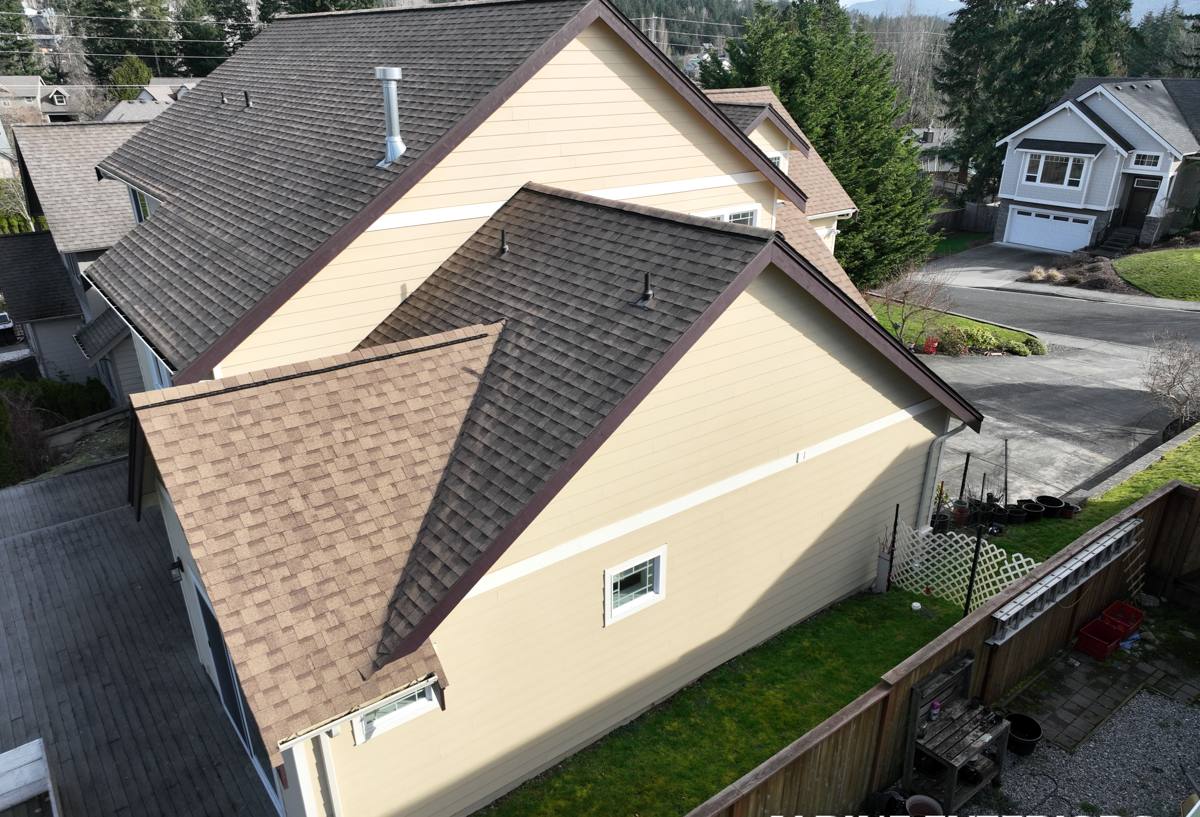
What Tampa's Climate Actually Does to a Deck Over Time
UV and Heat
Florida sun is intense and constant, not seasonal. Uncapped or low-grade composite boards can fade, chalk, or go brittle at the surface faster here than in northern markets. Dark colors also absorb more heat, which matters both for board temperature underfoot and for how much the boards expand and contract day to day.
Wind-Driven Rain and Humidity
Afternoon storms don't just fall straight down — wind pushes rain sideways into fastener holes, board gaps, and ledger connections. Combined with Hillsborough County's year-round humidity, any spot where water collects instead of draining becomes a long-term problem: trapped moisture behind boards, corrosion at hidden hardware, and the kind of slow rot that doesn't show until a board is already compromised.
Salt Air
Westchase isn't beachfront, but Tampa Bay's proximity still puts a fine salt content in the air, especially on windier days. Salt accelerates corrosion on any fastener, bracket, or connector that isn't rated for it. This is one of the most common places we see older decks fail first — not the boards themselves, but the hardware holding them together.
Hurricane-Force Wind
A deck attached to the house has to handle uplift and lateral load during named storms, not just support foot traffic on a calm day. Ledger attachment, post connections, and railing anchoring all need to be built to withstand real wind events, not just meet the minimum that gets a permit signed off.
Composite Decking Compared to the Alternatives
Homeowners in Westchase usually narrow it down to composite, pressure-treated wood, or PVC. Each has real trade-offs in this climate — none of them is a bad product across the board, but each behaves differently once it's outside in Florida weather year-round. The right choice usually comes down to how much ongoing maintenance a homeowner wants to take on versus how much they want to spend upfront.
| Factor | Composite | Pressure-Treated Wood | PVC / Vinyl |
|---|---|---|---|
| Moisture resistance | Strong; capped boards resist swelling and rot | Weakest; needs sealing and re-sealing to hold up | Strong; fully synthetic, no organic material to rot |
| UV / fade resistance | Good with a quality cap; color holds for years | Fades and grays quickly without upkeep | Good, though can show heat expansion issues |
| Maintenance | Low — periodic cleaning, no sealing or staining | High — annual sealing, sanding, staining | Low, similar to composite |
| Feel underfoot / look | Wood-like texture and grain patterns available | Natural wood look and feel | Smoother, more plastic appearance |
| Upfront cost | Mid to upper range | Lowest | Similar to or above composite |
| Long-term cost | Lower — little ongoing upkeep spend | Highest once sealing and repairs are added up | Low, but fewer color and texture options |
For most Westchase homeowners, composite hits the balance point: it doesn't demand the yearly upkeep wood does, and it's typically more budget-friendly than premium PVC systems while still holding up to sun, rain, and salt air. We'll walk through where wood or PVC might still make sense for a specific project, honestly, rather than push one product for every yard.
What a Correctly Installed Composite Deck Involves
Framing and Substructure
The composite boards get most of the attention, but the framing underneath is what actually determines whether a deck survives a hurricane season or comes loose at the ledger. We use fasteners and connectors rated for coastal, humid environments — not standard hardware that will corrode faster than the decking it's holding up.
Ledger Attachment
Where the deck ties into the house is the single most important structural connection on the whole project. It has to be flashed correctly to keep water out of the house structure and bolted to handle both the deck's live load and wind uplift during a storm.
Drainage and Ventilation
Composite boards need airflow underneath, not a sealed, damp cavity. We plan gapping and substructure ventilation so wind-driven rain that gets underneath the deck can actually dry out instead of sitting against joists and hardware.
Hidden Fasteners and Board Spacing
Board gaps are set to allow for the expansion and contraction that Tampa's heat swings cause. Too tight, and boards can buckle in peak summer heat; too loose, and it looks sloppy and lets debris collect.
Brands and Board Types We Work With
We install composite decking from established manufacturers like Trex, TimberTech, and Fiberon, among others, and we're upfront about how their product lines differ in cap thickness, color-fastness, and warranty terms. Manufacturer warranties on capped composite boards typically run for decades against rot, insect damage, and structural fading, but the fine print on installation requirements varies by brand — which is part of why we follow each manufacturer's fastening specs exactly rather than treating every composite board the same.
Our Process, Start to Finish
Here's what the project actually looks like once you decide to move forward:
- On-site assessment: We look at the ledger connection point, grade and drainage under the deck footprint, sun exposure, and any HOA guidelines that apply to the property.
- Material selection: We walk through composite board options, colors, and cap types, and explain the honest trade-offs for the specific layout and budget.
- Permitting: We handle the permit process through Hillsborough County, including the structural details reviewers look for on ledger attachment and wind load.
- Demo and framing: Any existing structure is removed, and new framing is built to current code with corrosion-resistant hardware throughout.
- Decking and railing installation: Boards are laid with correct spacing and fastening, and railing is anchored to meet load requirements, not just look secure.
- Final walkthrough: We go over the finished deck together, including basic care so it holds up with minimal upkeep.
Cost Factors for a Westchase Composite Deck
Every deck is priced around its own footprint, framing needs, and board selection, so we won't quote a number without seeing the site — but a few things consistently move the price:
- Deck size and shape: Multiple levels, curves, or built-in seating add labor beyond a simple rectangle.
- Height off the ground: Taller decks need more substantial framing and stair structures, plus additional railing.
- Board tier: Entry-level capped composite costs less than premium boards with deeper wood-grain texturing or specialty colors.
- Substructure condition: A full tear-out and rebuild of an old deck costs more than decking over sound, code-compliant framing.
- Railing and lighting: Composite or aluminum railing systems, plus any integrated lighting, add to the total.
- Site access: Backyards with tight side-yard access or landscaping to work around can add labor time.
In general, expect composite decking to cost more upfront than pressure-treated wood and less than the highest-end PVC systems — with the difference recovered over time in maintenance you're not paying for.
Maintenance in Hillsborough County's Heat and Humidity
Composite decking is low-maintenance, not no-maintenance. A rinse and a light scrub with soap and water a couple of times a year keeps pollen, mildew, and salt residue from building up on the surface — mildew in particular grows fast in Florida's humidity if organic debris is left to sit in board gaps. It's also worth a quick seasonal check of railing connections and fasteners, especially after a named storm passes through, since that's when hardware gets tested hardest. Uncapped or entry-level boards need a bit more attention than fully capped composite, since the surface is more porous — something worth discussing when picking a board tier for a shaded spot versus one in full sun.
Signs Your Current Deck Needs Attention
Composite is durable, but no deck is maintenance-free forever, especially with a hurricane season stress test every year. Watch for:
- Boards that feel spongy, warped, or noticeably faded compared to when they were installed
- Rust staining around fasteners or visible corrosion on brackets and connectors
- Gaps or movement at the ledger where the deck meets the house
- Railing that flexes or feels loose when leaned on
- Standing water or slow drainage underneath the deck after rain
- Mildew or algae that keeps coming back no matter how often it's cleaned
Any of these can start small and turn into a structural repair if the ledger connection or framing is involved, so it's worth having it looked at before the next storm season rather than after.
Why It Matters to Hire a Crew That Already Works in Westchase
A lot of composite decking problems we get called to fix started with a crew that installs decks occasionally, in a climate that doesn't push materials the way Tampa Bay does. Working regularly in Westchase and the surrounding Hillsborough County area means we already know what the HOA architectural review process typically expects for materials and colors, what Hillsborough County permitting reviewers look for on structural details, and which hardware actually holds up against local salt air and humidity instead of just meeting a minimum spec. That local familiarity translates into fewer surprises during permitting and a deck that's built for the storms and sun it's actually going to face, not a generic install.
If you're planning a new composite deck or need an honest look at one that's already showing wear, we're glad to walk the property with you and put together a clear, no-pressure estimate — just fill out the form below to get started.