 Tampa Siding
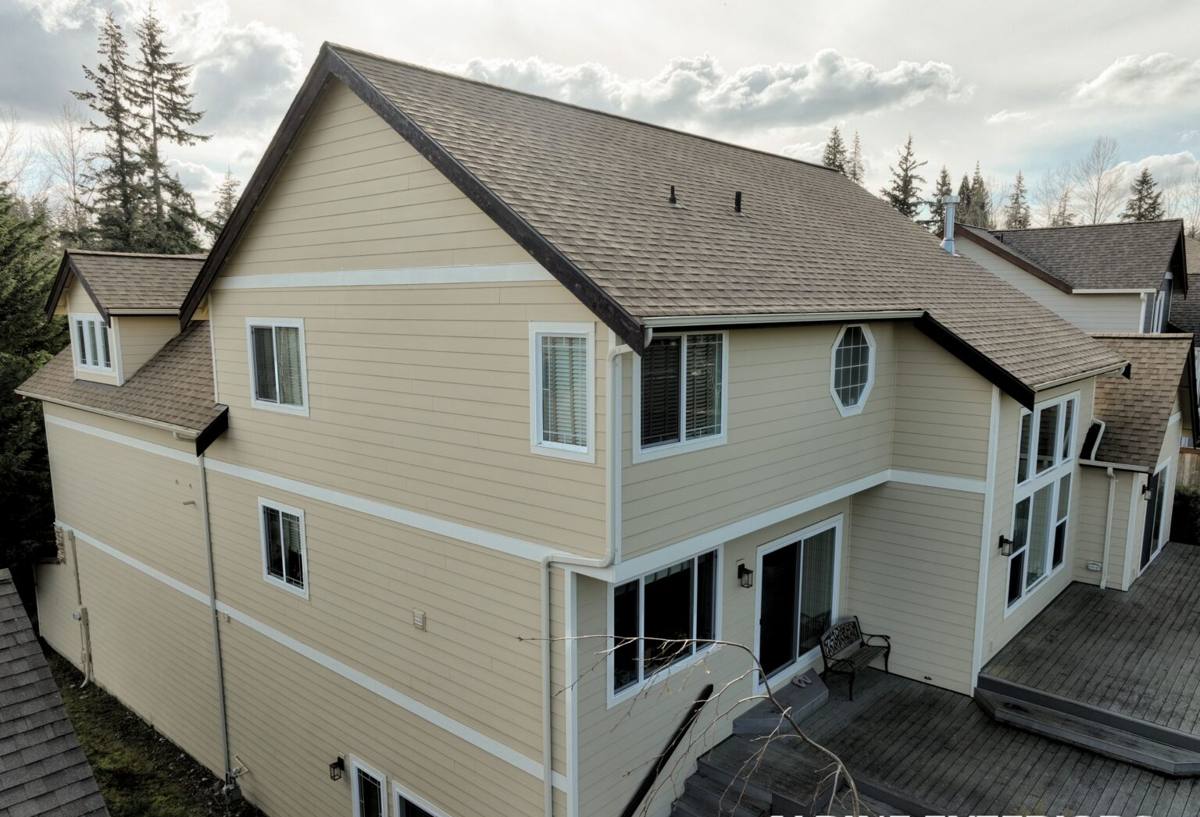
 Composite Decking in Ybor City: What the Climate Actually Demands
Ybor City sits close enough to Tampa Bay that the air carries salt, and it sits in a part of Florida that gets the full seasonal package: intense UV nearly year-round, sudden downpours, and the real chance of hurricane-force wind during storm season. A deck built here isn't just outdoor furniture — it's a structure that has to shed water fast, resist fading under constant sun, and stay fastened down when the wind picks up. Composite decking, installed correctly, handles all three better than most alternatives. Installed poorly, it fails in the exact same ways wood does, just more expensively.
This page is about one job in one neighborhood: composite deck installation for homes in and around Ybor City, Tampa, Hillsborough County. We're not going to give you a generic decking overview — we're going to walk through what actually matters when you build a composite deck for this specific climate and this specific building environment.
Why Composite Makes Sense Here — and Where It Doesn't
Composite decking (a blend of wood fiber and recycled plastic, capped with a protective outer layer on most quality boards) was designed to solve the two things that wreck wood decks fastest in a climate like Tampa's: moisture cycling and UV breakdown. Wood absorbs water, swells, dries, shrinks, and repeats that cycle every time it rains and then bakes in the sun — which is often more than once a day here in summer. That cycle is what causes cupping, splitting, and eventually rot at the fasteners. Capped composite boards don't absorb water the way wood does, so they don't go through that same destructive swell-and-shrink pattern.
That said, composite isn't automatically the right call for every homeowner. It costs more upfront than pressure-treated wood, and if you want the option to sand and refinish a deck yourself in ten years, composite doesn't offer that — you're committed to the color and texture you buy. We'll tell you honestly if a wood deck with a good maintenance plan fits your budget and goals better. Our job is to get you the right deck, not just to sell composite.
The Local Stress Test: Salt, Sun, and Storms
- Salt air corrosion — Ybor City's proximity to the bay means airborne salt settles on everything outdoors, including fasteners, hardware, and railing components. Standard steel screws and brackets corrode faster here than they would inland.
- UV exposure — Florida sun is intense for most of the year. Uncapped or low-quality composite boards can fade or chalk on the surface within a few seasons if the cap layer is thin or absent.
- Wind-driven rain — Storms here don't just drop rain straight down; wind pushes it sideways and underneath structures, which means substructure ventilation and drainage matter as much as the boards themselves.
- Hurricane-force wind loads — Railings, stair stringers, and ledger connections all need to be fastened to a standard that accounts for real wind events, not just everyday use.
What a Correct Composite Deck Build Involves
A composite deck is only as good as what's underneath it. The boards get the attention because they're what you see and touch, but the framing, fasteners, and drainage plan are what determine whether the deck is still solid in ten or fifteen years.
Substructure and Framing
We frame with lumber rated for ground contact or exposure where required, and we pay close attention to joist spacing — composite boards often call for tighter joist spacing than traditional lumber decking, especially on diagonal or picture-frame layouts. Skipping this is one of the most common mistakes we see on decks that weren't built by people who install composite regularly: boards installed on joist spacing meant for wood will flex, bounce, and eventually show stress at the fastener points.
Ledger Attachment and Structural Connections
If the deck attaches to the house, the ledger board connection is one of the most safety-critical parts of the whole build. It has to be flashed properly to keep water from getting behind it and into the house structure, and it has to be fastened to resist both the vertical load of people and furniture and the lateral loads that come with wind. This is not a place to cut corners, and it's not always visible once the deck is finished — which is exactly why it matters who's doing the work.
Fasteners and Hardware
Given the salt air around Ybor City, we use corrosion-resistant fasteners and hardware rated for coastal or high-moisture exposure — not standard interior-grade hardware. Hidden fastener clip systems are common with composite decking and give a clean surface look, but the clips and screws underneath still need to be the right grade of stainless or coated hardware, or they become the first point of failure.
Ventilation and Drainage
Composite boards don't rot, but the framing underneath them can if moisture gets trapped with nowhere to go. We build in proper airflow beneath the deck and grade the ground or install drainage systems so water moves away from the structure instead of pooling under it — especially important with Tampa's heavy, fast-moving summer storms.
Comparing Decking Materials for Ybor City Conditions
| Factor | Capped Composite | Pressure-Treated Wood | Uncapped/Low-Grade Composite |
|---|---|---|---|
| Moisture cycling resistance | Strong — minimal swelling | Moderate — requires sealing | Weaker — can absorb moisture at core |
| UV/fade resistance | Strong with quality cap layer | Fades and grays without refinishing | Fades faster; cap-free surface wears |
| Salt air/hardware corrosion risk | Low if correct hardware used | Moderate — fastener corrosion visible | Low to moderate |
| Upfront cost | Higher | Lower | Mid-range |
| Long-term maintenance | Occasional cleaning | Regular sealing/staining | More frequent cleaning, earlier fade |
| Refinishing option | Not sandable/refinishable | Can be sanded and resealed | Not sandable/refinishable |
This isn't a case of one option being universally "better" — it's about matching the material to what you want to deal with in year five and year fifteen, not just what looks good on install day.
Our Process for a Ybor City Composite Deck
- On-site assessment. We look at your existing structure (if replacing a deck), grading, drainage path, and how the deck ties into the house, and we talk through what you actually want to use the space for.
- Honest material and layout recommendation. We'll walk you through board options, color, and layout given your budget and how much sun and rain exposure the space gets.
- Permitting. Deck work in Hillsborough County generally requires permitting depending on size, height, and attachment to the home — we handle that process rather than leaving it to you.
- Framing built to coastal-adjacent standards. Proper joist spacing, ledger flashing, and structural connections sized for real wind loads, not just minimum code.
- Board installation with the correct fastening system. Hidden fasteners or face-screwed, per your product choice, with corrosion-resistant hardware throughout.
- Railings and stairs. Built and fastened to the same wind-resistance standard as the deck itself, not treated as an afterthought.
- Final walkthrough. We go over care and cleaning with you before we consider the job done.
Why a Local Crew Matters for This Job
Composite decking looks straightforward from a distance — snap in some boards, done. The reality is that most of what separates a deck that lasts fifteen years from one that starts having problems in three is invisible once it's finished: joist spacing, hardware grade, ledger flashing, drainage planning. A crew that works Ybor City regularly has already seen what salt air does to the wrong hardware choice, what wind-driven rain does to a poorly ventilated substructure, and what a hurricane season does to a railing that wasn't fastened to the right standard. That's not something you learn from a spec sheet — it's something you learn from doing the work in this exact environment, repeatedly.
There's also a practical side: a local crew shows up for warranty work, follow-up questions, and storm-season inspections without it being a special trip. That matters more with an outdoor structure than almost anything else on a house, because outdoor structures are the first thing a hurricane or a tropical storm tests.
Maintenance: What Composite Actually Requires
One of the appeals of composite is lower maintenance, not zero maintenance. Here's what we tell every homeowner going in:
- Periodic washing to remove pollen, dirt, and mildew film — Tampa's humidity means mildew growth on any outdoor surface is normal and expected, not a defect.
- Keep planters, grills, and furniture legs from trapping moisture against the board surface for extended periods.
- Clear leaves and debris from between boards and around drainage points, especially after storms.
- Inspect railings and stair connections annually, particularly after a significant wind event.
- Know your product's warranty terms — coverage and what voids it varies by manufacturer, and we'll go over yours specifically when we recommend a board line.
Cost Factors Worth Understanding
We won't quote a number on a page — every deck is different — but here's what actually drives the price on a composite deck project so you know what you're paying for:
| Cost Factor | Why It Matters |
|---|---|
| Deck size and shape | Square footage plus complexity — angles, curves, and multi-level decks all add labor |
| Board line and brand tier | Cap quality, color options, and warranty length vary significantly by product tier |
| Substructure condition | New framing vs. reusing existing structure changes both cost and long-term reliability |
| Height and railings | Elevated decks require more structural engineering and code-compliant railing systems |
| Site access and demolition | Removing an old deck, tree removal, or difficult site access adds time |
| Permitting requirements | Varies by size, attachment type, and jurisdiction within Hillsborough County |
Signs Your Existing Deck Needs Attention
If you already have a deck in Ybor City and you're not sure whether it needs a repair or a full replacement, a few signs point toward bigger problems: soft or spongy spots underfoot, visible gaps or separation where the deck meets the house, rust streaks around fasteners, boards that have noticeably faded or chalked unevenly, or railings that feel loose when you lean on them. Any of these are worth a look before storm season rather than after.
If you're planning a new composite deck or replacing an aging one in Ybor City, we're happy to come take a look and give you a straightforward, no-pressure estimate — just fill out the form below.