 Tampa Siding
 Board & Batten Siding, Done Right for Brandon Homes
Board and batten is one of the most requested looks in Brandon right now — the vertical lines read as craftsman, farmhouse, or modern-coastal depending on the trim and color, and it pairs well with the ranch, split-level, and newer two-story homes that make up most of the neighborhood's housing stock. It's a great look. It's also a siding profile that punishes a sloppy install faster than lap siding does, because every vertical batten is a seam, and every seam is a place for water to find its way behind the wall if it isn't detailed correctly. In a Hillsborough County climate, that detail work is not optional.
This page covers what board and batten actually needs to hold up in Brandon specifically — not a generic overview of the style, but the climate demands, the installation specifics, and the process we use when we're on a Brandon roof.
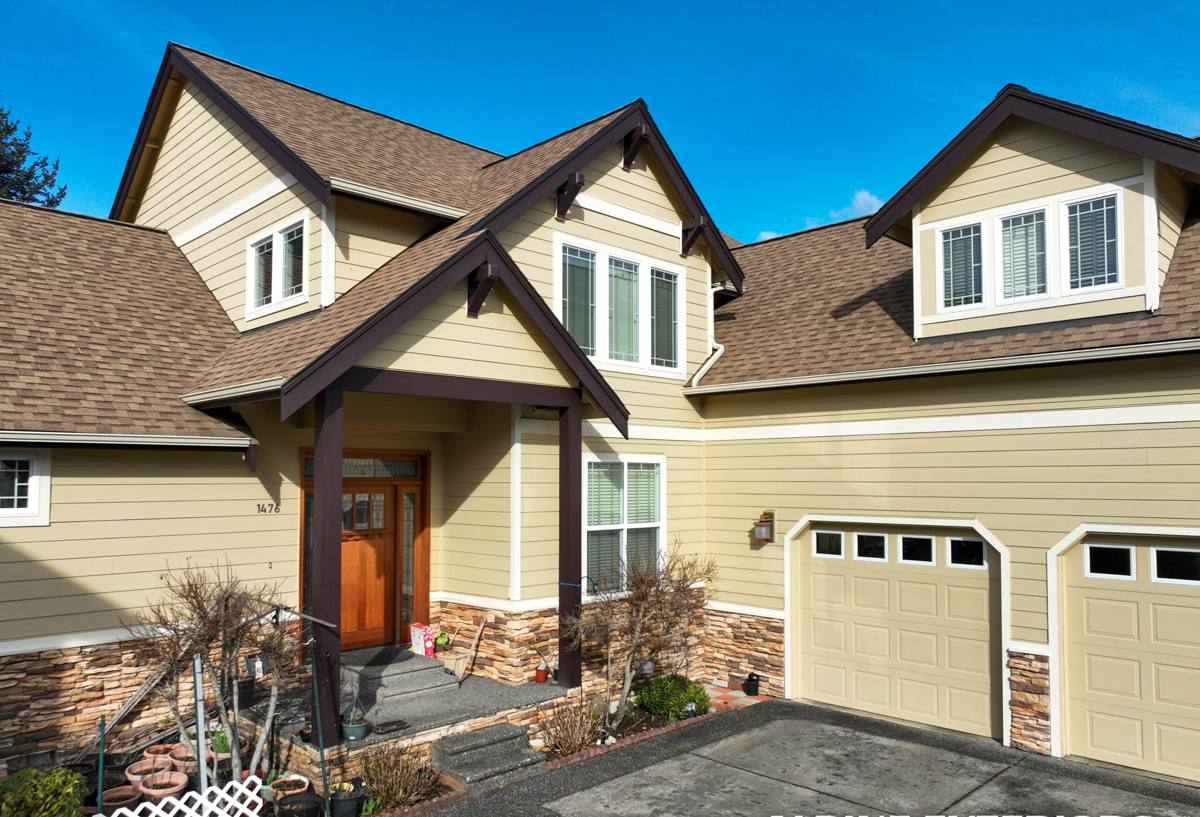
Why Brandon's Climate Is Harder on Board & Batten Than People Expect
Brandon sits inland from Tampa Bay but still gets the full package of West Central Florida weather: long, humid summers, intense UV exposure nearly year-round, sudden wind-driven thunderstorms almost daily in the wet season, and real hurricane risk during the June-through-November window. None of that is unique to board and batten, but the profile reacts to it differently than a flat lap board does.
Vertical seams and wind-driven rain
Board and batten relies on vertical battens covering the joints between panels or boards. When wind-driven rain hits a wall at an angle — which is the normal mode of a Florida storm, not the exception — water gets pushed sideways and upward, not just straight down. If those batten seams aren't fastened, flashed, and caulked to spec, that's exactly where moisture intrusion starts.
UV and paint film breakdown
Brandon gets brutal, direct sun for most of the year. On south- and west-facing walls especially, siding paint film chalks, fades, and eventually cracks faster than in most of the country. Batten edges — the raised, sun-exposed strips — take this abuse first, because they catch light at more angles than a flat wall.
Humidity and the wall cavity behind the siding
Florida's humidity means the wall assembly behind your siding is dealing with moisture pressure from both directions — driving rain from outside, humid air trying to migrate through from inside. A siding profile with more seams needs a housewrap and flashing system that's actually installed correctly, not just present.
Hurricane wind loads
Hillsborough County's wind zone requirements exist for a reason. Any siding profile with individual boards and battens has more fastening points than a single lap board covering the same wall area — which is good for wind resistance if every one of those fasteners is placed correctly, and bad if they're not.
What a Correct Board & Batten Install Actually Involves
A lot of what separates a board and batten job that lasts 30+ years from one that fails in 5-8 years happens before a single board goes up.
The weather barrier comes first
A code-compliant water-resistive barrier (housewrap) goes over the sheathing, lapped correctly, before any siding touches the wall. This is the layer that actually keeps bulk water out if something gets past the siding — it matters more in Brandon's climate than almost anywhere else in the country.
Flashing at every horizontal interruption
Window heads, door heads, any horizontal trim break — these all need proper flashing so water sheds outward instead of tracking behind the siding. This is true for any siding style, but board and batten's vertical lines make skipped flashing more visually obvious later (streaking, staining) even before it becomes a structural problem.
Fastening pattern and spacing
Battens need to be fastened into structural framing or according to the manufacturer's engineered fastening schedule for the local wind zone — not just nailed wherever is convenient. Hillsborough County's building department inspects to these requirements, and for good reason after storm seasons that have tested a lot of siding jobs across the Bay Area.
Gaps and caulking at the right joints — and not the wrong ones
Board and batten needs expansion gaps at some joints and sealed joints at others. Sealing a joint that's supposed to allow movement causes cracking and paint failure down the line. This is a detail that's easy to get wrong if a crew is used to installing lap siding and treats batten seams the same way.
Starter strips and bottom termination
The bottom edge of the siding, where it meets the foundation or a water table trim, needs correct clearance and flashing. Get this wrong and it's often the first place moisture damage shows up, especially with Brandon's summer downpours pooling and splashing near foundations.
Why We Only Install James Hardie for Board & Batten
Board and batten is available in vinyl, engineered wood, and fiber cement, and the choice of material matters more in this profile than in almost any other siding style, because the individual battens are narrow, sun-exposed, and constantly moving with temperature and humidity swings.
Vinyl board and batten
Vinyl board and batten panels are lightweight and affordable, but in direct Florida sun they expand and contract more than fiber cement, which can lead to visible waviness over time, and they're rated for lower wind speeds than what many Hillsborough County wind zones call for. We don't install it.
Engineered wood board and batten
Engineered wood products can look sharp initially, but wood-based sidings are more sensitive to sustained moisture exposure — a real concern given Brandon's humidity and rainy season — and typically carry installation and maintenance requirements (caulking, repainting cycles, cut-edge treatment) that are less forgiving of Florida's climate than fiber cement.
James Hardie fiber cement board and batten
James Hardie's HZ10 product line is engineered specifically for high-humidity, high-moisture climates like ours. It's non-combustible, dimensionally stable in heat and humidity swings, and finished with the ColorPlus factory-baked finish, which resists the fading and chalking that Brandon's UV load causes on field-painted siding. It carries a strong transferable limited warranty, including coverage against the ColorPlus finish specifically — not just the substrate. This is why it's the only board and batten product we put on Brandon homes.
| Factor | Vinyl Board & Batten | Engineered Wood | James Hardie Fiber Cement |
|---|---|---|---|
| Wind rating fit for Hillsborough County | Often marginal | Varies by product | Engineered for high-wind zones |
| UV / color retention in FL sun | Fades, can warp | Field paint fades faster | ColorPlus factory finish resists fading |
| Moisture / humidity tolerance | Good, but can warp with heat | Most vulnerable to sustained moisture | Purpose-built HZ10 line for humid climates |
| Combustibility | Melts/deforms in heat | Combustible | Non-combustible |
| Typical maintenance | Low, but limited repair options | Regular repainting/caulking | Occasional caulk/paint touch-up over decades |
Our Process for a Brandon Board & Batten Project
- On-site walk and wall assessment — we look at current siding condition, existing moisture damage, window/door flashing, and sun exposure on each elevation.
- Wind zone and code check — confirming fastening schedule and wall assembly meet Hillsborough County requirements for your specific location.
- Tear-off and sheathing inspection — old siding comes off, sheathing is checked for rot or damage before anything new goes on. This step gets skipped by corner-cutting crews and it's the single biggest cause of early failure.
- Housewrap and flashing installation — the water-resistive barrier and flashing details at every window, door, and horizontal transition.
- James Hardie board and batten install — panels and battens fastened per manufacturer spec, with correct gaps and sealed joints.
- Trim, caulking, and final detail pass — the finish work that determines how clean the vertical lines look and how well the seams perform long term.
- Final walkthrough — reviewing the completed work with you before we consider the job done.
Why Hiring a Crew That Already Works in Brandon Matters
Siding installation is local in a way a lot of homeowners don't expect. A crew that's worked wind zone requirements across Hillsborough County knows the fastening schedules cold, has already seen how sun exposure on west-facing Brandon walls ages different products, and understands how local storm patterns stress a wall assembly over a full hurricane season — not just how the product looks in a brochure. That experience shows up in the small decisions: where extra flashing goes, how gaps are sized, which elevations need extra attention. It's the difference between a board and batten install that looks right on install day and one that still looks and performs right ten summers from now.
Signs Your Current Siding May Already Be Failing
- Visible warping, buckling, or waviness in battens or panels, especially on sun-exposed walls
- Soft or spongy spots when pressed near seams, window trim, or the bottom edge
- Paint that's chalking heavily or peeling in sheets rather than fading evenly
- Staining or streaking running down from batten seams or trim joints
- Visible gaps, cracked caulk, or separated boards after storm season
- Interior signs — musty smell, discoloration, or soft drywall on exterior-facing walls
Any of these on a Brandon home are worth a professional look before another hurricane season adds to the damage.
What to Expect Cost-Wise
Board and batten costs more than flat lap siding of the same material, mainly due to the added labor of installing individual battens and the extra trim and flashing detail at every seam. James Hardie fiber cement costs more upfront than vinyl but typically requires far less over the life of the siding — fewer repaints, no warping replacement, and a warranty that actually reflects the manufacturer's confidence in the product. We'll walk through real numbers for your specific home and wall square footage during an estimate rather than quoting a number that doesn't reflect your project.
If you're considering board and batten siding for a home in Brandon, we're happy to come take a look, walk your walls with you, and give you a straight answer on what your home actually needs. Reach out for a free, no-pressure estimate using the form below.