 Tampa Siding
 Siding Replacement in Carrollwood: What Tampa's Climate Actually Demands
Carrollwood sits inland from Tampa Bay in unincorporated Hillsborough County, and that location shapes what siding replacement should look like here. Homes get less direct salt spray than a waterfront property, but they still take the full brunt of everything else this climate throws around: long stretches of intense UV, heavy summer humidity, wind-driven rain during afternoon storms, and the occasional direct hit or near-miss from a tropical system with sustained hurricane-force gusts. Siding that isn't built and installed for those conditions doesn't fail quietly — it warps, delaminates, or lets water behind the wall long before a homeowner notices anything wrong on the surface.
A siding replacement in Carrollwood isn't just a cosmetic upgrade. It's the point where you get to correct whatever the original siding, or a previous repair, got wrong about handling water, heat, and wind in this specific climate.
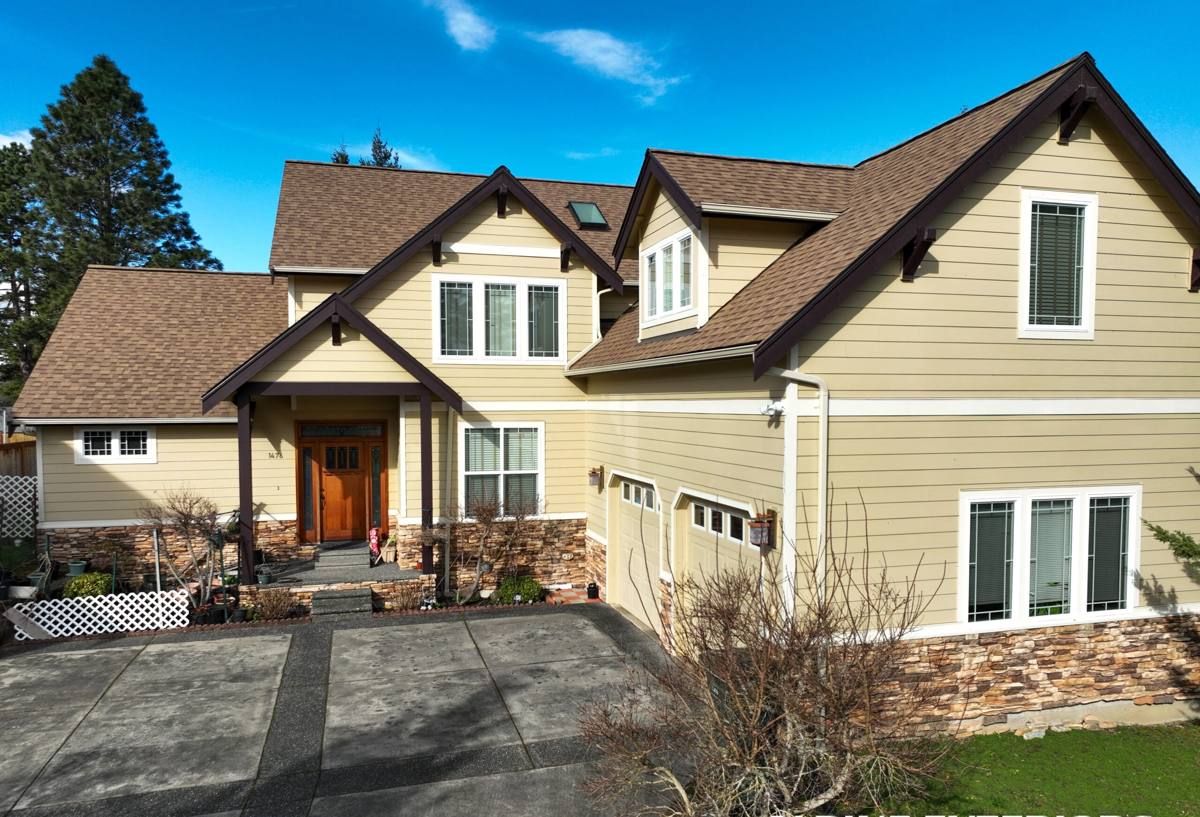
Why Carrollwood's Housing Stock Needs a Closer Look
Mature Trees, Shade, and Trapped Moisture
Carrollwood is known for its established tree canopy — lots of mature oaks and heavy landscaping around homes that have been there for decades. That's a nice feature to live under, but it changes how a house dries out. Shaded walls hold humidity longer after a storm, leaf litter and pollen collect in siding laps and around trim, and sprinkler overspray or irrigation running close to the foundation keeps the lower courses of siding damp more often than a home in full sun. Any siding product that's sensitive to sustained moisture exposure is going to show problems first in those shaded, landscaped areas.
Decades of Florida Sun on Older Siding
A lot of Carrollwood's neighborhoods were built out between the 1970s and 1990s, so a large share of the housing stock is old enough that its original siding — or a first-generation replacement — is well past its realistic service life. Florida UV breaks down paint film and substrate faster than most of the country experiences, and once a siding surface starts chalking, cracking, or losing its factory finish, it stops shedding water the way it's supposed to. By the time that's visible from the street, moisture has usually already been getting behind the cladding for a while.
What a Correct Siding Replacement Actually Involves
Tear-Off and What's Underneath
Full replacement means removing the old siding entirely, not covering over it. That's the only way to actually inspect the sheathing and framing underneath for rot, insect damage, or water staining — problems that are common on older Tampa-area homes and that get sealed in (and get worse) if a contractor just installs new siding over the old layer to save time.
Weather Barrier and Flashing Details
Underneath the siding, a correctly installed weather-resistive barrier and properly lapped flashing around every window, door, and penetration is what actually keeps wind-driven rain out of the wall assembly during a storm. Siding is the visible layer, but it's the water management system behind it that determines whether a hard rain event turns into an interior repair job. This is also where a lot of corner-cutting happens on rushed jobs, because none of it shows once the siding goes back on.
The Right Product and Fastening for Hillsborough County Wind Loads
Hillsborough County's building code reflects Florida's wind zone requirements, and siding has to be installed with the fastening pattern, clearances, and manufacturer specifications that match those wind loads — not the minimum a crew can get away with. This is precisely why we install only James Hardie fiber cement, using the HZ5 product line engineered for high-humidity, high-moisture climates like ours. It's non-combustible, holds its factory ColorPlus finish far longer under Florida UV than field-applied paint, and doesn't rot, delaminate, or feed pests the way wood-based and some engineered wood siding products can when moisture gets past the surface.
Our Process for a Carrollwood Siding Replacement
- On-site inspection of the current siding, trim, and any visible signs of moisture intrusion, with a straightforward explanation of what we find
- Written scope and product specification before any work starts — no verbal-only agreements
- Full tear-off and inspection of sheathing and framing, with photos of anything that needs repair before we close the wall back up
- Installation of weather barrier, flashing, and James Hardie fiber cement siding to manufacturer and code-required fastening specs
- Final walkthrough and cleanup, including job-site debris and fastener removal from the yard
Why a Crew That Already Works Carrollwood Matters
Siding replacement isn't a commodity job where every contractor delivers the same result. A crew that regularly works Carrollwood and the surrounding Tampa neighborhoods already knows the permitting process through Hillsborough County, understands how the area's tree canopy and drainage patterns affect where moisture collects on a house, and has seen firsthand how different siding products actually hold up here versus how they perform in a climate with less heat, humidity, and storm exposure. That local track record matters more in a market like this than it would somewhere with a milder climate, because the margin for error on water management and wind resistance is smaller.
It also means faster response if a storm damages siding mid-project or a permit inspection needs to be rescheduled — a crew based nearby isn't juggling that against a long drive.
Material Comparison: What We Install and Why
We get asked often why we don't offer vinyl or engineered wood siding as a lower-cost alternative. Here's the honest comparison, based on how these products behave in a hot, humid, storm-exposed climate like Tampa's — not on hype in either direction.
| Siding Type | How It Handles Tampa's Climate | Long-Term Trade-Off |
|---|---|---|
| James Hardie fiber cement (what we install) | Non-combustible, holds paint/finish under UV, engineered moisture resistance (HZ5), rated for high wind zones when properly fastened | Higher upfront cost than vinyl; installation must follow manufacturer spec precisely |
| Vinyl siding | Can warp or distort under sustained heat and direct sun exposure; lighter panels are more vulnerable in high wind | Lower upfront cost, but shorter realistic service life in this climate and limited repair options once faded or warped |
| LP SmartSide / engineered wood | Wood-strand core is more sensitive to sustained moisture than fiber cement; performance depends heavily on caulking and paint maintenance | Requires more diligent long-term maintenance to avoid edge swelling in a humid climate |
| Old hardboard or original wood siding | Common on older Carrollwood homes; typically past its service life if original to a decades-old house | Ongoing repainting and caulking costs, with rot risk increasing every year it's not replaced |
We standardized on James Hardie fiber cement because it's the product we've seen consistently hold up to Florida's specific combination of heat, humidity, and wind — not because it's the cheapest option on the table.
Signs Your Carrollwood Home May Need Siding Replacement
- Visible cracking, buckling, or warping in siding panels, especially on sun-exposed walls
- Paint that's chalking heavily or peeling in sheets rather than wearing evenly
- Soft spots, discoloration, or a hollow sound when you tap near the base of exterior walls
- Persistent mildew or staining in shaded areas under tree canopy that doesn't clean off and come back
- Gaps opening up around window and door trim where caulking has failed
- Rising energy bills that could point to moisture or air infiltration behind aging siding
- Siding that's original to a home built before the 2000s and has never been fully replaced
What Affects the Cost of a Siding Replacement Project
| Factor | Why It Matters |
|---|---|
| Home size and wall complexity | More square footage, corners, and architectural detail mean more material and labor time |
| Condition of the sheathing underneath | Rot or water damage found during tear-off adds repair scope before new siding can go on |
| Siding profile and trim selection | Lap width, trim boards, and accent details all affect material cost and install time |
| Number of stories and access | Two-story sections and tight side yards common in older Carrollwood lots take longer to work safely |
| Permitting and code requirements | Hillsborough County wind-load and permitting requirements factor into scope and inspection scheduling |
We walk every one of these factors through with a homeowner before quoting, so the number reflects the actual house rather than a generic estimate.
Warranty and Long-Term Care
James Hardie backs its fiber cement products with a strong, transferable warranty, and the ColorPlus factory finish is warrantied separately from the substrate — a meaningful distinction, since factory-applied color is far more consistent and durable under Florida sun than field-applied paint. Keeping that warranty intact depends on installation following manufacturer specification exactly, which is part of why we don't treat fastening patterns, clearances, or flashing details as optional. Once it's installed correctly, ongoing care is minimal: periodic rinsing to clear pollen and salt-laden air residue, and prompt attention to any caulking gaps that open up around trim over time.
If your Carrollwood home's siding is showing its age or you're planning ahead of the next storm season, we're happy to take a look and give you a straightforward, no-pressure estimate — just fill out the form below.