 Tampa Siding
 Why Carrollwood Homes Need Siding Built for This Climate
Carrollwood sits inland from Tampa Bay, but "inland" doesn't mean sheltered. Homes here still take a beating from the same forces that hit the rest of Hillsborough County: months of intense, direct UV that fades and chalks weak paint finishes, wind-driven rain that gets pushed sideways into every seam and joint during summer storms, and tropical-system winds that arrive with little warning during hurricane season. Add in Florida's near-constant humidity and the salt-laden air that drifts well inland off Tampa Bay and the Gulf, and you have a climate that is genuinely hard on exterior building materials.
Siding that isn't engineered for this combination doesn't fail all at once — it fails slowly. Paint chalks and fades years ahead of schedule. Caulk joints open up. Moisture gets behind panels that weren't flashed correctly and causes rot or mold you can't see until it's expensive. This page focuses on one product, in one place: James Hardie fiber cement siding, installed correctly on homes in Carrollwood.
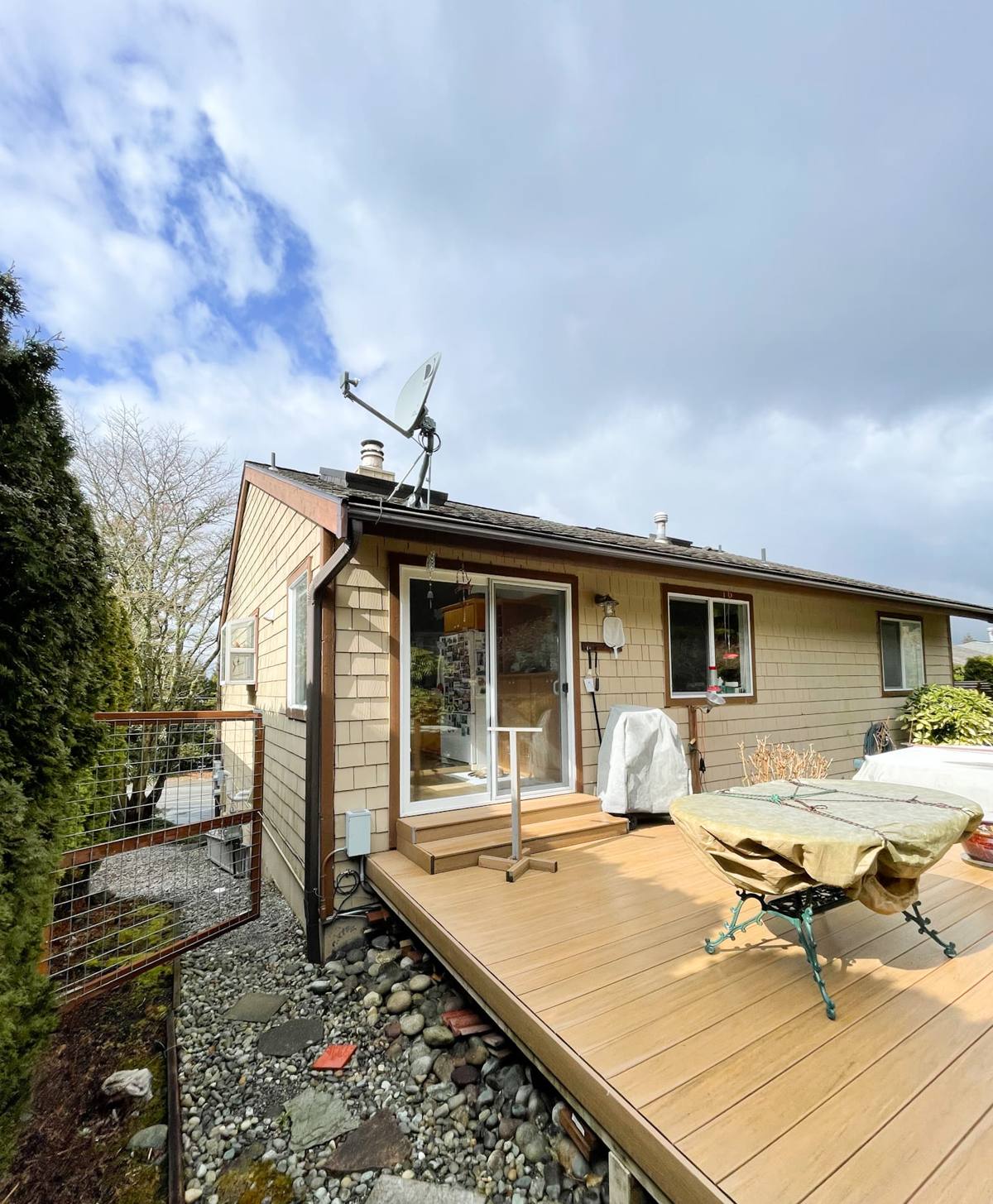
What "Correct" Fiber Cement Installation Actually Means
Fiber cement siding has an excellent track record in Florida, but that reputation is earned by the installation, not just the material. James Hardie's own installation instructions are specific for good reason — skipping steps is the single biggest reason any fiber cement job underperforms.
The details that matter most in this climate
- Proper clearances — siding held off the roofline, deck surfaces, and grade by the manufacturer's minimum gaps, so wind-driven rain and standing water don't wick into the bottom edge.
- A continuous weather-resistive barrier — installed correctly behind every panel, not just tacked up as an afterthought, so any moisture that does get past the siding has somewhere to go.
- Correct flashing at every window, door, and roofline intersection — the places where wind-driven rain actually finds a way in.
- Manufacturer-specified fastening — the right fastener type, length, and spacing for wind exposure, not whatever happens to be fastest.
- Factory-finished joints treated per spec — caulking and touch-up done with products compatible with ColorPlus finishes, not generic caulk that will fail and discolor early.
None of this is exotic. It's just the difference between a crew that follows the spec and a crew that's trying to get through the job fast. In a climate that punishes shortcuts, that difference shows up within a few storm seasons.
Why We Install Only James Hardie Fiber Cement Siding
We don't offer a menu of siding brands or materials. We install James Hardie fiber cement siding, and that's a deliberate standard, not a limitation on options we simply haven't gotten around to offering.
Fiber cement is non-combustible, holds paint far longer than most alternatives because of its factory-applied ColorPlus finish, and — when installed to spec — is genuinely durable in hot, humid, storm-prone climates. James Hardie also engineers specific product formulations for different regions: homes in Florida fall under Hardie's HZ10 zone, a formulation built specifically around the humidity, UV exposure, and hurricane-driven wind and rain that this state deals with every year. That regional engineering, backed by a strong transferable warranty when the job is installed correctly, is why we standardized on this one product instead of installing several.
What that means in practice
It means every crew on a Carrollwood job knows this one product cold — how it cuts, how it fastens, how it flashes, and how it should look when it's done right. Specializing in one system instead of juggling several is part of how a crew avoids the small mistakes that cause big problems five years later.
Comparing Siding Options for a Hillsborough County Home
Homeowners researching a siding replacement usually compare a few materials before deciding. Here's an honest look at how the common options stack up under Tampa-area conditions. This isn't about any one manufacturer — it's about how each material category tends to behave in this climate.
| Factor | Fiber Cement (James Hardie) | Vinyl | Wood |
|---|---|---|---|
| Heat & UV resistance | Factory finish resists fading and chalking for years | Can soften, warp, or fade under intense sun | Needs regular repainting to hold color and protection |
| Wind-driven rain / moisture behavior | Dense, stable material; performance depends heavily on correct flashing and gaps | Can flex and gap in high wind, allowing water intrusion at seams | Absorbs moisture readily if finish is compromised; prone to rot |
| Fire resistance | Non-combustible | Combustible | Combustible |
| Maintenance | Occasional caulk/paint touch-up; no repainting the whole house for years with ColorPlus | Low maintenance but can't be effectively repainted long-term | Regular repainting/sealing required, especially in humid climates |
| Typical lifespan when installed correctly | Multiple decades | Varies widely; shorter in intense sun/heat | Shorter without diligent, ongoing maintenance |
| Relative material + install cost | Mid-to-upper range | Lower upfront | Varies; upkeep costs add up over time |
Fiber cement generally costs more upfront than vinyl. The trade-off is a material that's engineered for this exact climate and, installed correctly, spends far less of its life needing repair, repainting, or replacement.
Our Process for a Carrollwood Siding Project
The steps don't change much from house to house, but the details we watch for do — older homes, additions, and homes with mature landscaping each need a slightly different eye during the walkthrough.
- On-site assessment. We look at your current siding or exterior condition, check for existing moisture damage, note any trim, window, and roofline details that affect flashing, and talk through color and profile options.
- Written scope and estimate. You get a clear breakdown of what's included — tear-off (if applicable), house wrap/weather barrier, trim, and the specific Hardie product line and profile — before any work starts.
- Prep and tear-off. Old siding comes off, the sheathing underneath gets inspected and repaired where needed, and a continuous weather-resistive barrier goes on before a single piece of new siding is installed.
- Installation to manufacturer spec. Correct clearances, fastening patterns, and flashing at every penetration — windows, doors, hose bibs, light fixtures, roof intersections.
- Trim, joints, and finish work. Joints are treated and caulked with compatible products so the ColorPlus finish keeps its warranty coverage and its color.
- Final walkthrough and cleanup. We walk the exterior with you, cover care and maintenance basics, and clear the site of debris and old material.
What tends to come up on established Carrollwood properties
Carrollwood has a mix of home ages and styles, and a few things show up often enough that we plan for them: older wood siding or trim hiding moisture damage once it's opened up, additions where the siding transition wasn't flashed correctly the first time, and mature landscaping close to the house that holds moisture against lower courses of siding longer than open, sunny walls do. None of these are reasons to avoid fiber cement — they're just things a crew that's done this work locally knows to check before the first panel goes up.
Hurricane Season and Wind Considerations
Hillsborough County isn't in Florida's highest wind-load design zones, but it's squarely in hurricane territory, and every siding installation here should be planned with that in mind. That means fastening patterns and clearances that meet current Florida Building Code wind-load requirements, flashing details that assume wind-driven rain will get tested against the wall at some point, and a product — Hardie's HZ10 formulation — that's built around exactly this exposure. Correctly installed fiber cement siding is one of the more storm-resilient exterior claddings available; incorrectly installed fiber cement siding, on the other hand, can fail at the seams in the first serious blow. The installation is what separates the two outcomes, not the material alone.
What to Expect After Installation
One of the practical advantages of James Hardie's ColorPlus finish is how little it asks of you afterward. You're not repainting the whole exterior every few years. Normal upkeep is occasional inspection of caulk lines and joints (especially after a rough storm season), rinsing off salt residue and grime, and prompt attention if a panel ever gets impact damage. A transferable manufacturer warranty on the product, backed by correct installation, is what protects you if something underperforms — which is exactly why the installation details covered above aren't optional extras.
What a Correct Fiber Cement Job Should Include — A Homeowner's Checklist
Whoever you hire, these are the things worth confirming before work starts:
- A written scope naming the exact Hardie product line, profile, and color — not just "fiber cement siding."
- Confirmation of a continuous weather-resistive barrier behind the siding, not a patchwork of house wrap.
- Specified clearances from roofline, decks, and grade in the contract or scope, not left to the installer's judgment on site.
- Flashing details called out at windows, doors, and roof intersections.
- Fastener type and spacing that match Hardie's published installation instructions for your wind exposure.
- Caulk and touch-up products compatible with ColorPlus finishes, to protect your warranty coverage.
- A clear statement of what warranty coverage applies, and what would void it.
Why a Crew That Already Works Carrollwood Is Worth Hiring
Siding installation is detail work, and details go wrong in patterns. A crew that already installs fiber cement siding throughout the Tampa area has run into the local versions of those patterns before — the flashing quirks around certain roofline styles, the moisture issues that show up behind old wood trim, the fastening adjustments that matter for a home's specific wind exposure. That experience doesn't show up as a line item on an estimate, but it shows up in how the job holds up five and ten years out. It's also worth asking any contractor how many fiber cement jobs they've completed nearby and whether they're familiar with local permitting — a crew with an established local presence has already worked through that process more than once.
If you're weighing a siding replacement in Carrollwood, we're happy to walk your property, answer direct questions about the process and the product, and put together a clear, no-pressure estimate. There's no obligation — just a straight answer on what your home needs and what it would take to do the job right. Use the form below to get started.