 Tampa Siding
 Why Deck Repair in Westchase Isn't a One-Size-Fits-All Job
Westchase is full of decks that were built to look good with a Florida backyard in mind — pool decks, screened lanai extensions, and raised platforms off the back of the house. Most of them were built well. The problem is that no deck, no matter how well it was framed, is immune to what a Tampa summer and a Hillsborough County storm season do to lumber, fasteners, and connections year after year. A deck repair here isn't the same job as a deck repair in a dry, mild climate. The failure points are different, the materials that hold up are different, and the fixes that actually last are different.
We work on decks throughout the Westchase area regularly, which means we're not guessing at what's under the boards. We know which parts of a deck fail first in this climate, what a rushed or undersized repair looks like a year later, and what it actually takes to fix a deck so the repair outlasts the next few Florida summers instead of becoming a repeat service call.
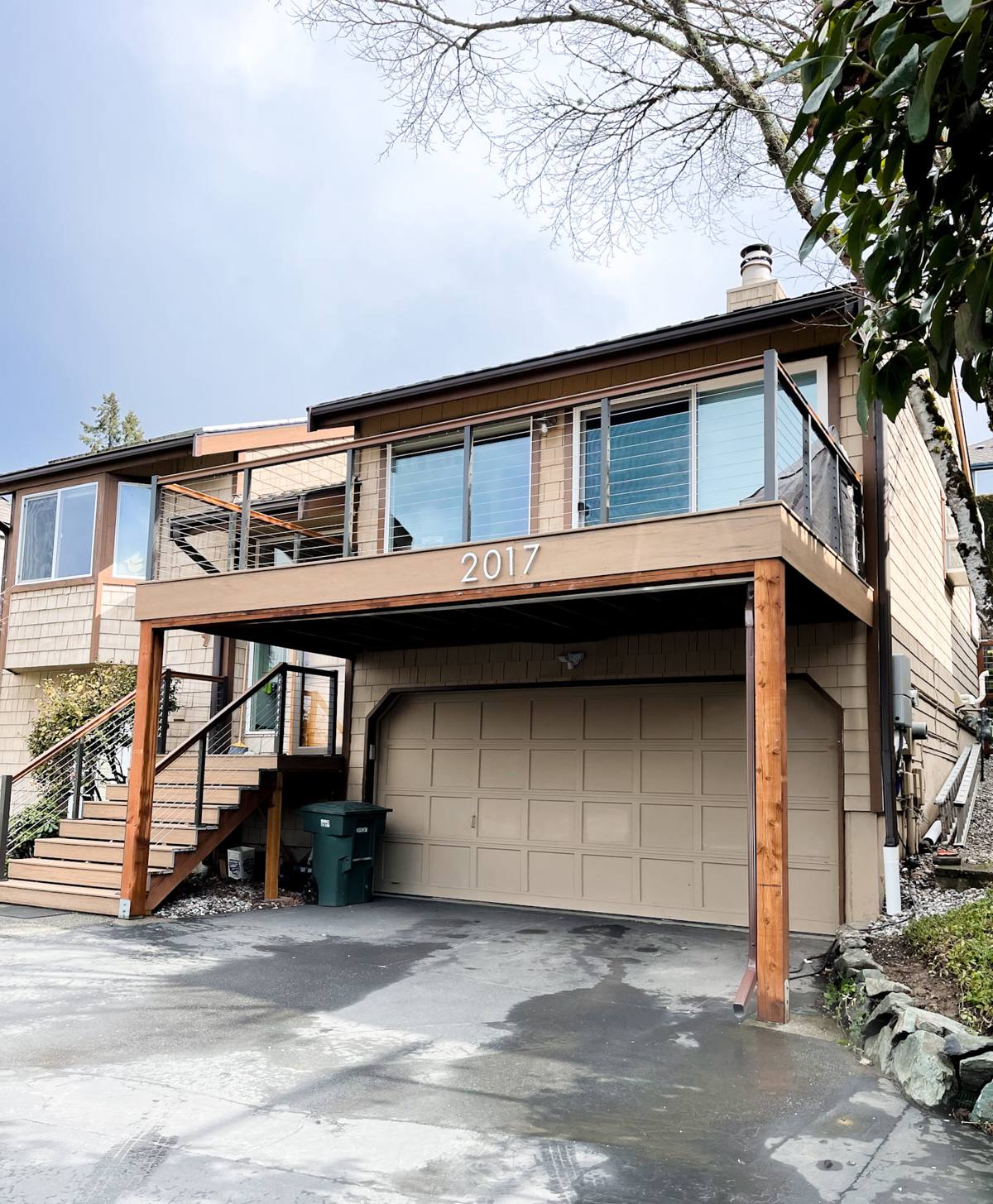
How Tampa's Climate Attacks a Deck
Intense, Year-Round UV
Tampa doesn't get a winter break from sun exposure the way northern climates do. UV breaks down the lignin in wood fibers, which is why untreated or poorly maintained deck boards gray, check, and splinter years faster here than in a milder climate. It also degrades sealants and finishes, so a deck that was sealed once and forgotten starts losing protection well before the surface looks obviously bad.
Humidity and Wind-Driven Rain
Wind-driven rain doesn't just fall on a deck — it gets pushed sideways into ledger boards, under flashing, and into any gap in the framing. Combined with Tampa's humidity, that moisture doesn't dry out quickly. Wood that stays damp for extended stretches is exactly where rot starts, especially at the point where the deck attaches to the house.
Hurricane-Force Wind Loads
A deck's railings, guard posts, and structural connections are load-bearing safety components, not just trim. Hurricane-force wind events put real lateral and uplift stress on a deck structure, and any connection that was already weakened by rot or corrosion is what gives first. Repairs in this region need to account for wind load, not just cosmetic wear.
Salt Air
Westchase isn't beachfront, but Tampa Bay's salt-laden air moves inland across Hillsborough County, and it accelerates corrosion on any exposed metal — fasteners, brackets, hinges, railing hardware. Corroded fasteners lose their holding strength long before they look obviously rusted through, which is part of why a repair has to include the hardware, not just the boards.
The Damage We Actually Find on Westchase Decks
Some of this is visible from the yard. A lot of it isn't, which is why an honest inspection matters more than a quick look at the surface. The issues we see most often on repair calls in this area:
- Soft, spongy, or discolored decking boards, usually near the house or in low-drainage corners
- Rot at the ledger board where the deck attaches to the structure — often the most serious and least visible problem
- Rusted or corroded fasteners that have loosened their grip on the wood
- Cracked, checked, or splintering boards from prolonged UV exposure
- Wobbly railings or guard posts, which is a safety issue as much as a cosmetic one
- Post rot at or below grade, especially where posts sit in standing water after heavy rain
- Warped or cupped boards from repeated wet-dry cycling
- Gaps or separation where the deck meets a screened lanai or pool cage frame
What a Correct Deck Repair Involves
Structural Inspection First
Before any board gets replaced, we check the framing underneath — joists, beams, posts, and the ledger connection. Surface rot on a board is easy to spot; the more important question is whether the structure it sits on is still sound. Replacing decking over compromised framing just hides the real problem.
Ledger Board and Flashing
The ledger board — where the deck bolts into the house — is the single most common source of hidden rot in Florida decks because wind-driven rain finds its way behind it if the flashing was ever installed poorly or has failed over time. A correct repair means fixing the flashing detail, not just re-securing the board to a wall that's still letting water in.
Fastener and Hardware Upgrade
If we're opening up a section of deck, we're not putting the same corrosion-prone fasteners back in. Coated or stainless hardware rated for the humidity and salt exposure this region sees is worth the modest upfront cost difference, because replacing hardware again in a few years costs more in labor than it would have cost to do it right the first time.
Matching and Blending Repairs
When only part of a deck needs new boards, we try to match species, size, and finish as closely as possible so the repair doesn't look like a patch. With composite decking this is easier since color runs are more consistent; with natural wood it takes more care, and we'll be upfront if an exact match isn't realistic.
Repair or Replace? Cost Factors to Weigh
Not every deck problem needs a full rebuild, and not every deck problem should be patched. The honest answer usually comes down to a few factors:
| Factor | Leans Toward Repair | Leans Toward Replacement |
|---|---|---|
| Extent of rot | Isolated to a few boards or one area | Widespread across framing and decking |
| Deck age | Under 10-15 years, otherwise sound | Original deck is old and near end of service life |
| Structural framing condition | Joists and posts test solid | Framing shows soft spots or movement |
| Ledger board condition | Sound, properly flashed | Rotted or improperly flashed |
| Cost of repeated repairs | First real issue on the deck | Second or third repair in a few years |
When a deck is structurally sound and the damage is limited, targeted repair is the honest recommendation and the better value. When the framing itself is compromised, patching individual boards is a short-term fix that costs more over time than doing the rebuild once.
Materials: What We Use and Why
Material choice affects how long a repair holds up in this climate, and each option comes with real trade-offs rather than one obvious winner.
| Material | Strength in This Climate | Trade-Off to Know |
|---|---|---|
| Pressure-treated pine (framing) | Ground-contact rated, resists rot when properly sealed and flashed | Needs periodic sealing/staining to keep UV and moisture resistance up |
| Composite decking | Doesn't rot, splinter, or need refinishing; consistent color | Higher material cost; can run hotter underfoot in direct sun |
| Tropical hardwood decking | Naturally dense and rot-resistant | Requires more maintenance attention and is less forgiving of installation shortcuts |
| Stainless or coated fasteners | Holds up against salt-air corrosion far longer than standard hardware | Costs more per fastener than uncoated hardware |
Our standard is to spec pressure-treated lumber rated for the exposure it will actually see, corrosion-resistant fasteners throughout, and to offer composite as an upgrade path for homeowners who want to reduce long-term maintenance. We'll walk through the honest trade-offs for your specific deck rather than push one material as a default.
Our Process, Start to Finish
- On-site inspection — we check decking, framing, ledger connection, posts, and hardware, and tell you plainly what we find
- Written scope and estimate — a clear breakdown of what needs repair versus what's still sound, with a straightforward price range
- Permitting, if required — structural repair work is pulled through Hillsborough County when the scope calls for it, so the work is inspected and documented properly
- Repair work — framing repairs and reinforcement first, then decking, railings, and fastener upgrades
- Final walkthrough — we check the repaired sections with you before calling the job done
- Cleanup — old material and debris hauled off; we don't leave a job site looking worse than when we arrived
Permits, Codes, and HOA Considerations in Hillsborough County
Structural deck repair in unincorporated Hillsborough County — which covers the Westchase area — typically requires a permit when the scope involves framing, footings, or load-bearing connections, not just cosmetic board replacement. Skipping a required permit on structural work can create real problems later, from insurance claim issues to complications at resale, so we handle that process rather than cutting the corner.
Many Westchase homes also sit inside an HOA with its own guidelines on decking materials, colors, and screened enclosure integration. We're used to working within those guidelines and can help you understand what documentation an HOA might want before work starts, so there are no surprises partway through the project.
Maintenance Checklist and Why Local Experience Matters
A repair only lasts as long as the deck around it is maintained. After a repair, a few habits go a long way in this climate:
- Rinse off salt residue and debris periodically, especially after storms
- Reapply sealant or stain on wood decking on the schedule the product actually needs here — usually more often than the label suggests for milder climates
- Check fastener heads and railing connections once or twice a year for early rust or looseness
- Keep gutters and downspouts clear so runoff isn't pooling against posts or the ledger area
- Look under the deck after major storms for standing water or new soft spots
Beyond the checklist, there's real value in hiring a crew that already works in this specific area. We know how ledger connections tend to fail on Westchase-style construction, how local screened enclosures interact with deck framing, and what Hillsborough County inspectors expect on permitted work. That familiarity means fewer surprises, a more accurate first estimate, and a repair built for the conditions your deck actually faces rather than a generic fix.
If you've got a deck in Westchase that's showing wear, feeling soft in spots, or just due for an honest look, we're glad to come take a look. The estimate is free, there's no pressure attached to it, and you'll get a straight answer about what your deck actually needs — just fill out the form below to get started.