 Tampa Siding
 Temple Terrace's Climate Is Harder on Siding Than Most Homeowners Realize
Temple Terrace sits close enough to Tampa Bay that its homes deal with the full package of Central Florida weather stress: long stretches of intense UV exposure, thick summer humidity, wind-driven rain that gets pushed sideways during storms, and periodic hurricane-force wind events that test every seam, fastener, and joint on a home's exterior. Add in the salt-tinged air that drifts inland from the bay on a humid day, and you have a climate that is genuinely rough on building materials — not in a dramatic, one-time way, but in a slow, cumulative way that shows up as fading, swelling, cracking, or rot years down the line if the wrong product or the wrong installation gets used.
Siding in this area isn't just a cosmetic layer. It's the first line of defense against moisture intrusion into wall cavities, and in Hillsborough County's climate, moisture that gets behind siding and doesn't dry out becomes a mold and structural problem fast. That's why the material choice and the installation detailing matter more here than in a drier, milder climate.
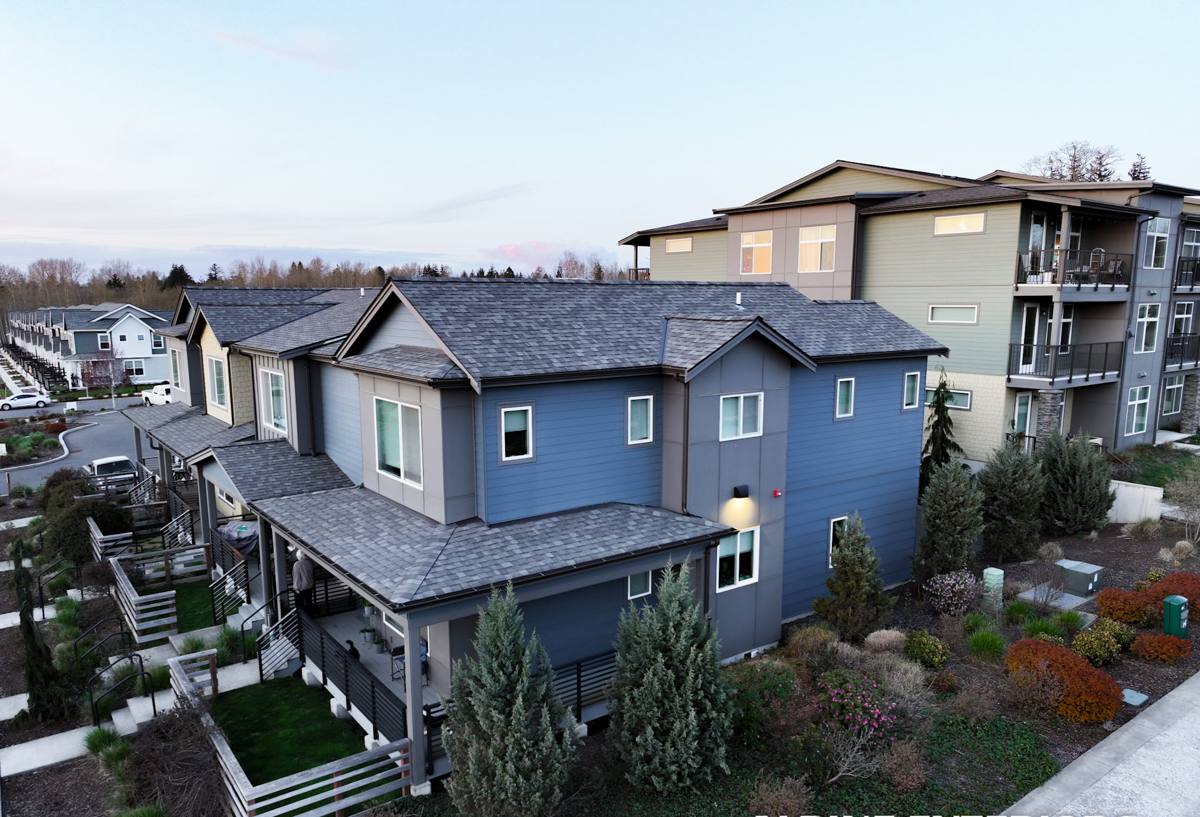
What Fiber Cement Siding Has to Get Right in This Climate
Wind and Impact Resistance
Temple Terrace homes need siding that stays put and stays intact when tropical storm systems or hurricane bands move through. Fiber cement is dense and rigid compared to vinyl, which means it resists the flexing and popping loose that vinyl panels are prone to in sustained wind events. It also holds up better against wind-driven debris than lighter cladding materials, which matters when storm winds are throwing yard debris, palm fronds, and small branches at a home's exterior for hours at a time.
Moisture and Humidity Management
Central Florida humidity doesn't let up for months at a time. Any siding product installed here needs a drainage plane behind it, proper flashing above windows and doors, and enough clearance at the bottom edge to keep water from wicking up into the material. Fiber cement itself doesn't absorb and swell the way wood-based products can, but it still has to be installed with the right gaps, house wrap, and flashing details or moisture will find its way in around the edges regardless of what the panel itself is made of.
UV Exposure and Color Retention
Florida sun is intense and consistent nearly year-round. Paint-grade siding and cheaper factory finishes tend to chalk, fade, or need repainting within a handful of years under this kind of UV load. This is one of the biggest reasons the finish system matters as much as the substrate material — a siding panel that's structurally sound but visibly faded and patchy within five years isn't doing the homeowner any favors.
Why We Install Only James Hardie Fiber Cement
We standardized on James Hardie products for every siding job we do, including here in Temple Terrace, and we don't install LP SmartSide, vinyl, Cemplank, Allura, or bare wood siding. That's not a marketing position — it's a practical one built around what actually holds up in this climate over the long haul.
James Hardie's HZ5 product line is engineered specifically for high-humidity, storm-prone climates like ours, with a formulation designed to resist moisture-related damage and hold dimensional stability through Florida's heat and humidity swings. The ColorPlus factory finish system is baked on and cured under controlled conditions rather than field-painted, which gives it meaningfully better UV and fade resistance than a job-site paint job — a real advantage under Tampa Bay sun. Fiber cement is also non-combustible, which is a genuine safety advantage over wood-based or engineered-wood alternatives. And Hardie backs the product with a transferable warranty that holds up when the installation is done to their specifications, which protects the homeowner's investment if the home changes hands.
None of this means other products are without merit — vinyl is inexpensive and low-maintenance in mild climates, and engineered wood has its own strengths. But for the specific combination of hurricane wind exposure, UV intensity, humidity, and salt air that Temple Terrace homes deal with, we've made fiber cement — specifically James Hardie — the only product we put our name behind.
What a Correct Installation Involves
Prep and the Moisture Barrier
Before a single piece of siding goes up, the substrate needs to be sound and a proper weather-resistant barrier needs to be installed behind it, with flashing integrated at every window, door, and penetration. Skipping or rushing this step is the single most common cause of moisture problems behind siding, regardless of what brand of cladding sits on top of it.
Fastening and Clearances
James Hardie publishes specific fastening patterns, nail types, and spacing requirements for different exposure zones, and following them isn't optional if you want the warranty to hold. Clearance from grade, roof lines, decks, and patios also has to meet minimum standards — homes here often have pool decks, lanais, and patios close to the exterior wall, and those clearances get overlooked more often than people realize.
Trim, Joints, and Caulking
Butt joints, corners, and trim transitions are where water intrusion problems usually start if they're going to start at all. Correctly installed fiber cement uses proper joint flashing or manufacturer-approved sealants at these transitions, not just a bead of caulk over a tight seam. In a climate with this much wind-driven rain, these details are what separate siding that lasts decades from siding that develops hidden rot within a few years.
Our Process for Temple Terrace Projects
- Assessment: We look at the home's current siding, moisture barrier condition, trim, and any problem areas — soffits, corners, areas near sprinklers or dense landscaping that hold moisture against the wall.
- Product and color selection: We walk through Hardie's plank profiles, textures, and ColorPlus palette options suited to the home's style and Florida sun exposure.
- Tear-off and prep: Removal of old siding, repair of any compromised sheathing, and installation of a correctly lapped weather barrier with flashing at all penetrations.
- Installation to manufacturer spec: Fastening pattern, joint treatment, and clearances installed per James Hardie's published requirements — not shortcuts.
- Final inspection and cleanup: A walk-through of trim lines, caulking, and finish quality before we consider the job done.
Comparing the Options Temple Terrace Homeowners Actually Weigh
| Factor | James Hardie Fiber Cement | Vinyl Siding | Wood/Engineered Wood |
|---|---|---|---|
| Wind performance | Rigid, holds up well against storm wind and debris | Can flex, crack, or blow off in high wind | Depends on install; prone to warping over time |
| Moisture behavior | Resists moisture-related swelling when properly installed | Doesn't absorb moisture, but seams can trap it | Can absorb and hold moisture, leading to rot |
| UV/color retention | Factory-cured ColorPlus finish resists fading | Can fade and become brittle under sun | Requires repainting/staining on a regular cycle |
| Fire resistance | Non-combustible | Combustible | Combustible |
| Typical maintenance | Occasional wash, repaint on much longer cycle | Low, but replacement panels can be hard to color-match | Regular repainting/sealing needed |
Cost Factors for a Temple Terrace Siding Project
Every home is different, but the price of a fiber cement siding job in this area is driven by a consistent set of factors rather than a flat per-square-foot number:
| Cost Factor | Why It Matters |
|---|---|
| Home size and wall complexity | More corners, gables, and dormers mean more cutting, trim work, and labor time |
| Existing siding removal | Tear-off and disposal of old material adds labor and dump costs |
| Sheathing/substrate repair | Hidden rot or moisture damage found during tear-off needs to be fixed before new siding goes on |
| Hardie product line and profile | Plank width, texture (smooth vs. cedar-look), and panel vs. lap siding affect material cost |
| Trim and accessory work | Corner boards, window trim, and fascia detailing add both material and labor |
| Access and site conditions | Multi-story sections, tight lot lines, or landscaping close to the house can slow installation |
Maintaining Fiber Cement Siding in Temple Terrace's Climate
Fiber cement is genuinely low-maintenance compared to wood, but "low-maintenance" doesn't mean "no maintenance" in a climate this demanding. A simple seasonal routine keeps it performing the way it's designed to:
- Rinse the siding periodically to remove salt residue, pollen, and mildew buildup before it sets in
- Inspect caulking at joints, trim, and penetrations annually, especially after hurricane season
- Check that sprinklers aren't spraying directly onto the siding, which accelerates staining and mineral buildup
- Keep landscaping trimmed back from exterior walls to allow airflow and drying
- Look at the base of the siding near grade and decks for any signs of trapped moisture or debris buildup
- Have any impact damage from storm debris repaired promptly rather than left exposed
Why Hiring a Crew That Already Works in This Area Matters
Hillsborough County's permitting requirements and the Florida Building Code's wind-resistance provisions apply to exterior work like siding replacement, and a crew that regularly pulls permits and passes inspections in this area already knows what inspectors here are looking for. That familiarity avoids the delays and rework that come from a crew learning local requirements on the fly. It also means we've already seen how homes in this specific area — with their mix of home ages, block and frame construction, and exposure to bay-driven weather — tend to fail when siding is installed incorrectly, so we know exactly where to focus extra attention during installation.
Local experience also shows up in smaller ways: knowing which color tones hold up visually against the region's intense light, understanding how nearby tree cover and irrigation patterns affect moisture exposure on different sides of a house, and having a track record of projects in the immediate area that we can stand behind.
Ready to Talk About Your Home
If your Temple Terrace home's siding is aging, fading, or showing signs of moisture trouble, we're happy to take a look and walk you through what correct, climate-appropriate fiber cement installation would involve for your specific home — no pressure, no obligation. Use the form below to request a free estimate.