 Tampa Siding
 Building or Framing Out a New Home in New Tampa? Get the Windows Right the First Time
New Tampa has seen steady new-home construction for years now — infill lots, new phases in established communities, and the occasional teardown-rebuild. Whether you're a builder finishing out a spec home or a homeowner working with an architect on a custom build, the window package you choose during framing is one of the few decisions that's genuinely hard to fix later. Once stucco, trim, and interior finishes go in around a window, swapping it out becomes a much bigger job than it needed to be. Getting the product, the flashing, and the installation sequence right during new construction saves real money and headaches down the road.
We install new-construction windows across Hillsborough County, and New Tampa jobs are a regular part of that work. This page covers what a correct new-construction window install actually involves here — not a generic "windows are good" pitch, but the specifics that matter for a house being built in this climate, in this part of the county.
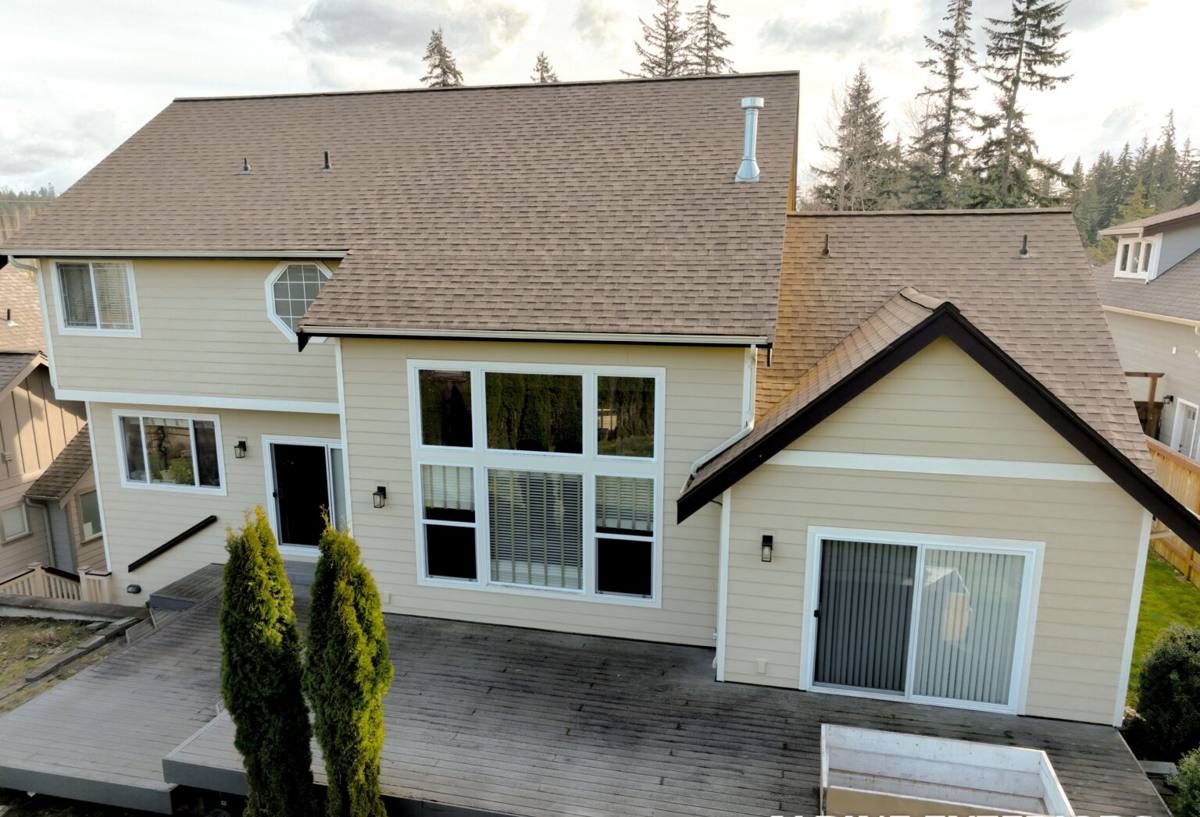
Why New Construction Windows Are a Different Job Than Replacement
New-construction windows have a nailing fin (or flange) around the perimeter of the frame. That fin gets integrated into the wall's weather-resistive barrier and flashing system before exterior finishes go on — stucco, siding, brick veneer, whatever the elevation calls for. This is different from a retrofit or "pocket" replacement window, which drops into an existing opening without disturbing the exterior wall assembly.
The advantage of doing it right during new construction is that you get a genuinely continuous, layered water management system — flashing tape, sill pan, weather barrier, and fin all shingled correctly so water sheds outward at every layer. The downside is that there's no room for shortcuts. A rushed or out-of-sequence install gets buried behind finishes, and the first sign of a problem is usually a stain on drywall or a musty smell in a wall cavity, sometimes years later.
What a Correct New-Construction Install Actually Involves
- Rough openings checked for square, plumb, and correct dimensions before a single window arrives on site
- Sill pan flashing installed first, sloped to drain outward, not just a flat strip of tape
- Window set, shimmed level and plumb, and fastened per the manufacturer's schedule — not "close enough"
- Flashing tape integrated with the weather-resistive barrier in the correct shingle-lap order (barrier over head flashing, side flashing over sill flashing, etc.)
- Fin fully sealed and fastened with no gaps, and no reliance on caulk alone to do a flashing tape's job
- Interior and exterior sealant joints set up correctly, including a weep path so any incidental water can still get out
What Hillsborough County's Climate Demands From a New Window Package
Tampa's climate is genuinely tough on building envelopes, and New Tampa doesn't get a pass just because it's a bit inland from the bay. Four things drive our recommendations on every new-construction job:
Wind Load and Impact Requirements
Florida Building Code sets wind-load and, depending on the specific zone and exposure category, impact requirements for new construction. Hillsborough County enforces these at permitting, and your window supplier needs to provide products with the correct Florida Product Approval (or Miami-Dade NOA where applicable) for your specific wind zone and exposure. This isn't optional paperwork — it's what keeps the window in the opening during a tropical storm or hurricane, and what keeps your permit from stalling at inspection.
Wind-Driven Rain
Straight-down rain is easy for almost any window to shed. Wind-driven rain — rain being pushed sideways and even upward against a wall during a storm — is what actually tests flashing details. This is exactly why sill pan flashing and correct shingle-lap sequencing matter more here than in drier, calmer climates.
Year-Round UV Exposure
Tampa gets intense sun essentially every month of the year. Vinyl frames, gaskets, and sealants that aren't UV-stabilized degrade faster here than the same products would in a milder climate — frames can chalk or become brittle, and cheaper sealants can crack and lose adhesion well before their expected service life is up. We spec frame materials and glazing sealants rated for sustained UV exposure, not just cost.
Salt Air and Humidity
New Tampa is inland relative to the Gulf, but salt-laden air still travels well into Hillsborough County, and combined with our humidity it accelerates corrosion on lower-grade hardware — hinges, locks, balance systems. We look at hardware finish and corrosion resistance as part of the spec, not just the glass and frame.
Glass Packages That Make Sense for This Climate
For new construction here, we generally steer homeowners toward Low-E insulated glass units as the baseline, with the specific coating and gas fill tuned to the elevation's sun exposure. A west-facing wall of windows in a New Tampa great room is dealing with brutal afternoon heat gain most of the year; a Low-E coating tuned for solar heat gain reduction earns its keep there in a way it might not on a shaded north elevation.
| Glass Option | Best For | Trade-Offs |
|---|---|---|
| Standard Low-E, clear | Shaded or north-facing elevations | Good all-around efficiency, least tinted appearance |
| Low-E, solar-control tuned | West and south elevations, pool-facing walls | Better heat rejection, slightly cooler glass tone |
| Impact-rated laminated glass | Homes in higher wind-exposure zones or where owner wants to skip shutters | Higher upfront cost, added weight on larger units |
| Tempered (safety) glass | Code-required locations — near doors, low sills, wet areas | Required by code in specific locations, not a style choice |
Frame Material: What We Actually Recommend and Why
Vinyl and fiberglass are our default recommendations for new-construction work in this climate, and we're straightforward about why. Quality vinyl frames handle humidity and salt air without the corrosion risk that comes with some metal frames, and they don't require repainting. Fiberglass adds stiffness for larger openings and tends to hold paint and color better over the long run if you want a specific frame color. Wood-frame windows can look great, but in Tampa's humidity and UV they carry a real ongoing maintenance burden — repainting, sealant renewal, and rot risk at the sill if the flashing detail isn't perfect — so we treat wood as an owner's-choice option with eyes open, not a default recommendation. Aluminum frames conduct heat and cold efficiently, which works against you on energy performance in a climate that's cooling-dominated most of the year.
Our Process on New-Construction Jobs
1. Plan Review and Product Selection
We review the architect's or builder's window schedule, confirm sizes and egress requirements, and help select products with the correct wind rating for the site's specific zone and exposure category.
2. Coordinating With the Build Schedule
Window installation has to land at the right moment — after rough framing and weather-resistive barrier, before exterior finishes close in around the openings. We coordinate directly with the builder or GC's schedule so we're not the reason a stucco crew is standing around, and so we're not rushed into skipping a flashing step to keep pace.
3. Installation and Flashing
Every opening gets sill pan flashing, correct shingle-lap sequencing, and full fin integration with the weather barrier — the sequence described above, on every window, every time.
4. Inspection-Ready Documentation
We keep the product approval documentation and installation details organized so the window portion of your Hillsborough County inspection isn't a bottleneck.
5. Final Walkthrough
Operation, sealant lines, and hardware get checked and adjusted before we call the job done — this is new construction, so there's no old frame or old damage to explain away; everything should simply work correctly.
Common Mistakes We See on New Construction Sites
- Flashing tape applied in the wrong lap order, which sets water up to run behind the barrier instead of over it
- Windows fastened before shimming is checked, leaving frames slightly out of square and hard to operate
- Sealant used as a substitute for proper flashing instead of as a secondary defense
- Wind-rated product substituted with a similar-looking but non-rated unit to save cost or lead time
- Installation rushed to keep pace with the exterior finish crew, skipping cure times on sealants and tapes
Any one of these can pass a quick visual check and still fail years later when a storm actually tests it. This is why we don't treat window installation as a fast in-and-out step in the build sequence.
Why Hire a Crew That Already Works in New Tampa
New-construction window work depends on understanding the local permitting process, the wind zone requirements Hillsborough County enforces, and how to sequence work with other trades on an active job site. A crew that's already done this in New Tampa knows which inspectors want to see what, how local builders like their schedules run, and which product approvals actually apply to this part of the county. That's not something you get from a crew that mostly does replacement windows in a different market and treats new construction as an occasional side job.
Get a Free, No-Pressure Estimate
If you're framing a new home in New Tampa, or working with a builder who needs a window subcontractor who knows this market, we're glad to walk through your plans and put together a straightforward estimate. Use the form below to get started — there's no pressure and no obligation.