 Tampa Siding
 Why New Tampa Homes Need Windows Built for This Climate
New Tampa sits inland from the bay but still takes the full brunt of what Florida weather can do. Hurricane-force winds test every seam in a window frame, wind-driven rain finds any gap in flashing or sealant, and the sun here is relentless twelve months a year. Add the salt air that drifts inland across Hillsborough County and you've got a combination that ages ordinary windows fast — fogged glass, chalky or pitted frames, sagging sashes, and leaks that show up as stains on drywall long after the storm that caused them has passed.
A lot of the homes in New Tampa were built during different waves of growth, which means the windows already in the walls range from decent-quality aluminum single-pane units to older vinyl that was never rated for the wind loads this area actually sees. Custom window work here isn't about picking something out of a catalog — it's about matching the right frame, glass, and installation method to the specific opening, the home's age and construction, and the exposure that stretch of Tampa gets.
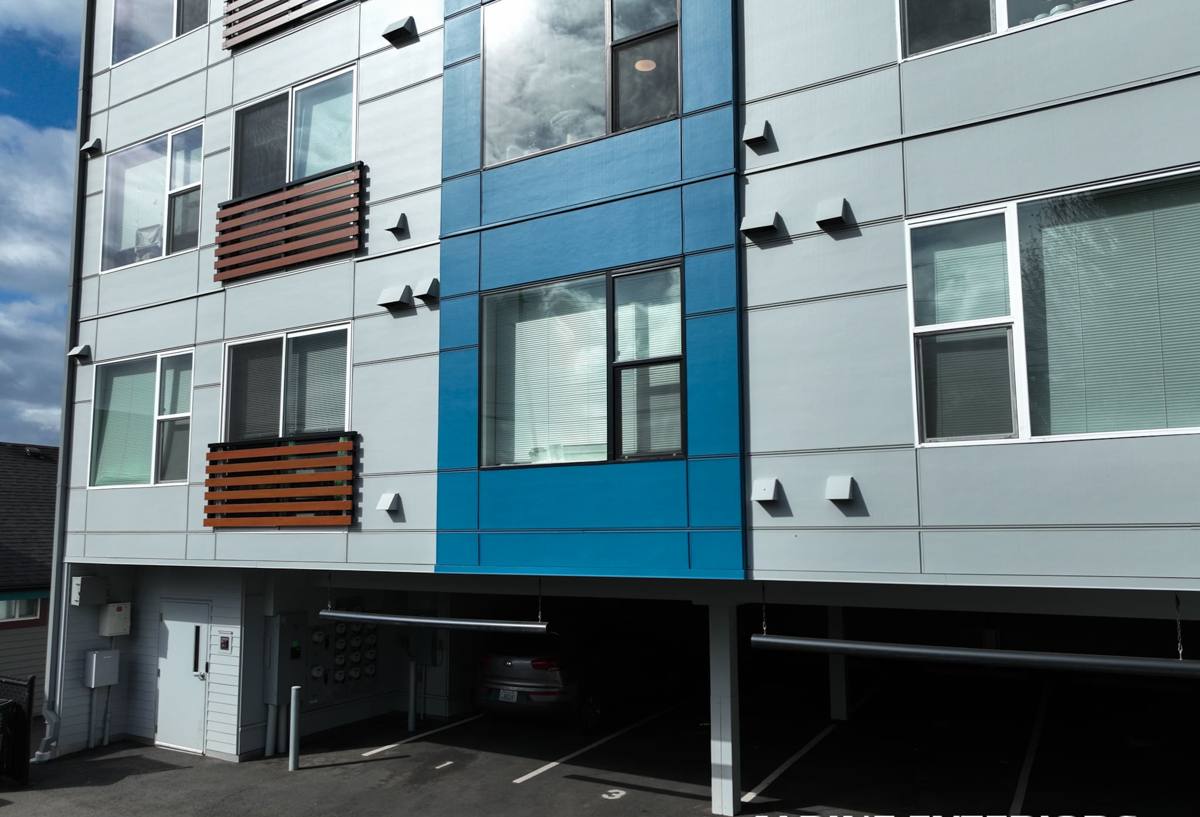
What "Custom" Actually Means for This Job
Custom windows aren't just larger or oddly shaped units — though plenty of New Tampa homes do have bay windows, arched openings, or non-standard sizes that off-the-shelf products won't fit. Custom also means the window is built or configured to match:
- The exact rough opening, without shimming gaps that undermine the seal
- The wind load and pressure rating the specific wall and elevation require
- The glass package suited to that window's sun exposure (west-facing openings take far more heat than north-facing ones)
- The trim, grid pattern, and frame color that match the rest of the home or a renovation plan
When Custom Sizing Is Actually Required
If a home has settled slightly, if a previous owner altered an opening, or if the house predates standardized window sizing, a stock unit will never seal correctly no matter how much caulk gets used to make it fit. We measure every opening as it exists today, not as it was supposed to be built decades ago, and we order to that measurement.
Frame Material Options
Frame material matters more in this climate than in most, because UV and humidity are constant, not seasonal. Here's how the common options actually perform in a New Tampa setting:
| Frame Material | Best For | Trade-Offs Here |
|---|---|---|
| Vinyl | Most homes; good value, low maintenance | Quality varies a lot between manufacturers; cheaper vinyl can warp under sustained heat |
| Aluminum | Larger openings, modern or coastal-style homes | Conducts heat, so it needs a thermal break; without one, energy performance suffers |
| Fiberglass | Homeowners who want minimal expansion/contraction over time | Higher upfront cost; fewer color/style options in some lines |
| Wood-clad/composite | Historic-style or high-end aesthetic goals | Needs more diligent maintenance in humid, salt-influenced air |
We don't install every material on the market. Some wood-composite and lower-grade aluminum products are fine in drier, milder climates but hold moisture or fatigue faster under Tampa's humidity and UV load, which creates callbacks and shortens the useful life of the installation. We'd rather steer a homeowner toward a product that will actually hold up here than install something that looks right on day one and causes problems in three years.
Impact Rating and Code Requirements in Hillsborough County
Hillsborough County falls under the Florida Building Code's wind-borne debris requirements, which means replacement windows generally need to either be impact-rated or paired with an approved protective system. This isn't optional paperwork — it affects what the local permitting office will approve and what your insurance carrier may ask to see documentation for.
Impact-rated windows use laminated glass that stays intact under wind pressure and debris impact, which is a meaningfully different product from standard dual-pane glass. They cost more up front but eliminate the need for separate shutters or panels, and many homeowners find the trade-off worth it simply for the convenience during storm season. Non-impact windows paired with code-approved shutters are still a legitimate option and can make sense on a tighter budget, as long as the shutter system itself is properly rated and actually gets deployed before a storm.
We pull permits for window replacement work rather than treating it as a handyman job, because that's what the code requires and it's the only way the work gets properly inspected and documented for your records.
Our Installation Process
Correct installation matters as much as the product itself — a well-built window installed poorly will leak and fail early no matter how good the glass is. Our process on a New Tampa job generally runs:
- On-site measurement of every opening, checking for out-of-square conditions or existing damage before ordering anything
- Product selection matched to that opening's exposure, wind load, and the home's style
- Removal of the old unit with attention to what the opening looks like underneath — this is where hidden rot or old flashing failures usually turn up
- Repair of the opening if there's water damage, deteriorated framing, or failed sheathing before the new window ever goes in
- Installation and flashing using methods appropriate to wind-driven rain exposure, not just a bead of caulk around the perimeter
- Sealing and finish work matched to the home's existing trim and exterior finish
- Final inspection and permit close-out
Skipping the repair step is the single most common shortcut that causes new windows to leak within a year or two. If the framing or sheathing behind the old window is compromised, the new unit is only as good as what it's anchored into.
Problems We See Most Often in New Tampa Replacements
Sun and Heat Damage
West- and south-facing windows in New Tampa take a beating from year-round UV. We regularly see frame discoloration, brittle weatherstripping, and glass seal failure (that hazy or fogged look between panes) well before a window has reached the end of its expected life, simply because the sun exposure here is more intense and more constant than what most window products are tested against in other regions.
Wind-Driven Rain Intrusion
Even without a direct hurricane hit, the seasonal storm pattern in this part of Florida pushes rain sideways against windows regularly. Improperly flashed or sealed units let water in around the frame long before glass failure would ever be visible, and that moisture works its way into wall cavities where it causes damage you don't see until it's extensive.
Sealant and Caulk Failure
UV breaks down exterior sealants faster here than in milder climates. A perimeter seal that would last a decade elsewhere might need attention in half that time, which is why we check sealant condition as a standard part of any exterior inspection, not just when a window job is already underway.
Energy Efficiency and Comfort
Cutting cooling costs is one of the most tangible benefits of a proper window upgrade in this climate, since air conditioning runs nearly year-round in Hillsborough County. Low-E coatings reduce solar heat gain without darkening the glass noticeably, which matters on west-facing rooms that otherwise turn into greenhouses by mid-afternoon. Double-pane glass with the right gas fill and spacer system also cuts down on the UV that fades flooring, furniture, and window treatments over time — a real issue in a house that gets this much direct sun.
Maintenance Expectations in This Climate
Even good windows need more attention here than they would in a drier, cooler region. A basic maintenance rhythm we recommend to New Tampa homeowners:
- Rinse frames and tracks periodically to clear salt-laden dust and pollen before it accumulates
- Inspect exterior sealant annually, especially after storm season, for cracking or separation
- Check weep holes on operable windows to make sure they're clear and draining properly
- Lubricate hardware on operable units to keep locks and rollers from binding in humidity
- Watch for soft spots in surrounding trim or stucco, which usually signal a seal has already failed
What Drives the Cost of a Custom Window Job
Every home is different, but the same handful of factors determine where a project lands on the price spectrum:
| Factor | Why It Matters | Typical Effect on Cost |
|---|---|---|
| Impact-rated vs. standard glass | Laminated impact glass costs more to manufacture and install | Higher |
| Non-standard sizes or shapes | Custom-built units cost more than stock sizes | Higher |
| Frame material | Fiberglass and quality vinyl cost more than basic aluminum | Moderate to Higher |
| Number of openings | Whole-house jobs get better per-unit pricing than single replacements | Lower per unit |
| Condition behind the old window | Rot or framing repair adds labor before installation even starts | Variable |
| Trim and finish matching | Custom trim work to match existing exterior adds labor time | Moderate |
We give a firm, itemized quote after seeing the actual openings — not a phone estimate — because the condition behind the existing window is often the biggest variable in the final number.
Vetting a Contractor for This Kind of Work
Window replacement is one of those jobs where a bad installation doesn't show its true cost until months later, when water finds its way in. Before hiring anyone for custom window work in this area, it's worth checking:
- Active Florida contractor license and proof of liability insurance
- Willingness to pull the required permit rather than skip it
- Documentation (NOA or Florida product approval) for any impact-rated product they're proposing
- A clear explanation of how they'll handle the opening if they find rot or damage during removal
- A written warranty that covers both the product and the labor separately
- Familiarity with this specific area — not just Florida in general
Why Local Experience in New Tampa Matters
A crew that regularly works in New Tampa already knows how the Hillsborough County permitting process runs, what inspectors here tend to look for, and how the local mix of home ages and construction styles affects a window job. That familiarity shortens the permitting timeline, avoids the guesswork of a first-time job in an unfamiliar jurisdiction, and means the crew has already seen how this specific climate — the sun angle, the storm exposure, the humidity — plays out on real installations, not just in a training manual. It's the difference between a contractor solving your problem in theory and one who has already solved it on a house down the road.
If you're weighing options for a custom window project in New Tampa, we're happy to take a look and give you a straightforward, no-pressure estimate — just fill out the form below.